
There comes a moment in late spring or early summer when the garden starts judging you. Or at least it feels that way. The tomatoes next door are already showing off, while your vegetable bed still has suspiciously empty patches.
Relax. The season has not left without you. You simply need crops that are quick, cheerful and not overly dramatic about being sown a little later.
First, Look at What You Actually Have
Before rushing out with seed packets and heroic intentions, take a slow look at your garden. Late sowing is less about the calendar and more about conditions.
By early summer, the soil is warmer, the sun is stronger and bare ground can dry out surprisingly fast. That empty patch may look inviting, but if it bakes all day and you cannot water it regularly, some crops will sulk before they even get started.
So ask the practical questions first. Is there a little shade for leafy greens? Enough moisture for beans? Loose soil for beetroot? Could a thin mulch or a bit of shade help the seeds germinate? This is not overthinking. This is gardening with a brain switched on.
What Can You Still Sow?
Plenty, actually.
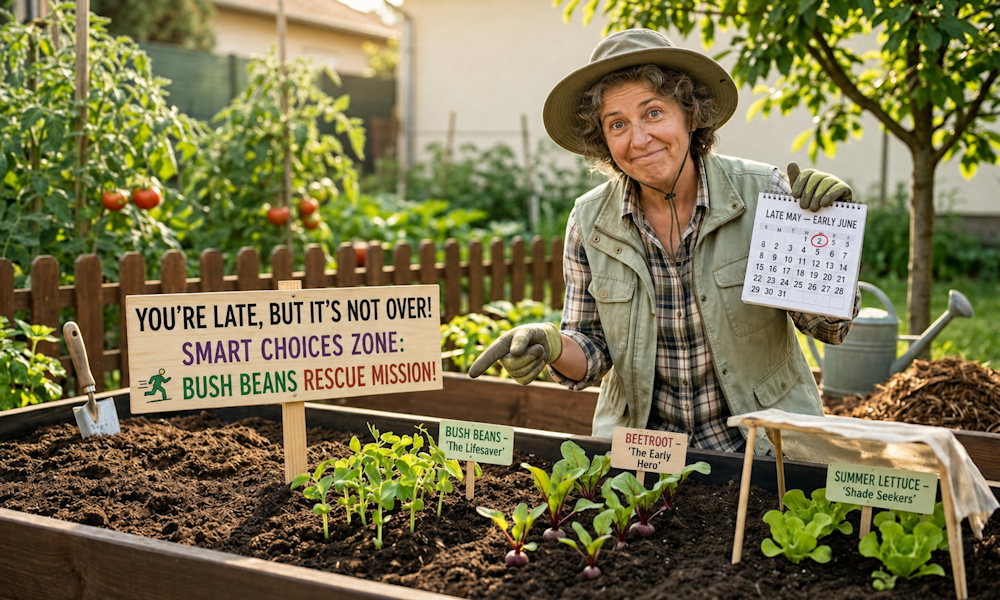
Around early summer, good candidates may include bush beans, beetroot, Swiss chard, dill, coriander, rocket, quick-growing summer lettuces in partial shade, another round of radishes in a cooler spot and, in some gardens, young brassica plants for later harvest.
The trick is to check the variety, not just the vegetable. A crop that gives you tender leaves in 30–40 days is a very different promise from one that quietly asks for half the season and a private dressing room.
Bush Beans: The Garden’s Rescue Act
Bush beans are often a fine choice for an empty bed because they like warm soil, germinate well in summer conditions and grow at a satisfying pace.
They are especially useful where early crops have already been harvested, or where spring plans never quite turned into spring action. No judgement. Gardens are full of good intentions wearing muddy boots.
The main thing is moisture. Beans do not want to sit in soggy soil, but they also dislike drying out while germinating. Keep the soil evenly moist, and they will usually forgive you for not being perfectly organised in April.
Beetroot and Swiss Chard: Reliable, Useful, Undramatic
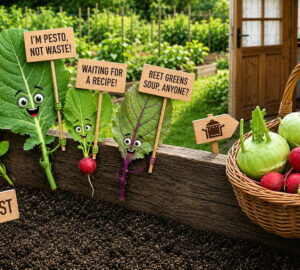
Beetroot can still work from a later sowing, especially if you are happy with tender, medium-sized roots rather than gigantic show-off specimens. Swiss chard is even more forgiving: a leafy, generous crop that can be picked over a long period.
Both appreciate regular watering. With beetroot in particular, long dry spells followed by sudden heavy watering can affect quality. A light mulch helps keep the soil more even, which is often the difference between a happy crop and a vegetable with trust issues.
Summer Lettuce? Yes, But Be Sneaky
Lettuce in hot weather is not always easy. It may bolt, turn bitter or simply decide that life is too difficult.
That does not mean you have to give up on salads. Choose quick-growing leaf types, sow smaller amounts more often, and give them a cooler, lightly shaded spot if you can. A few modest rows every couple of weeks are usually wiser than one grand lettuce empire that bolts all at once while you watch helplessly.
Rocket can also be useful, although it too can race to flower in heat. Treat it as a quick crop, not a lifelong commitment.
Herbs for Fast Gratification
Dill, coriander, basil and rocket can bring quick satisfaction to a late-starting garden. They do not require you to rewrite the entire season; they just ask for a little space, water and attention.
Coriander is famous for bolting in warm weather, so sow it in small batches and use it young. Dill is wonderfully useful with cucumbers, courgettes and summer pickles, and in many gardens it has a habit of reappearing once it has been allowed to set seed.
Basil, meanwhile, is the plant equivalent of summer confidence. Give it warmth, sun and water, and it will make even a small garden feel more Italian than it has any right to.
A Quick Checklist for Late Sowing
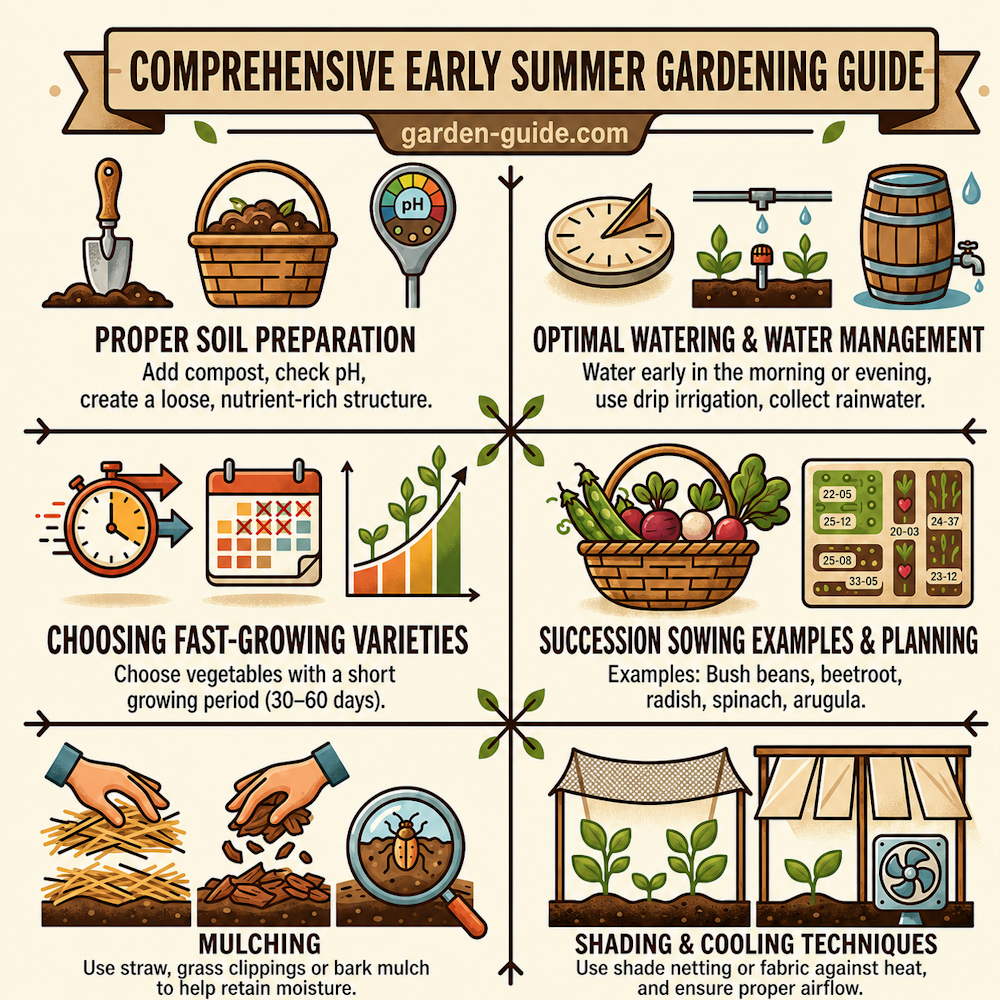
Choose fast-growing crops and short-season varieties. Water the soil well before sowing. Keep seedbeds moist until germination. Use light mulch or temporary shade if the weather is fierce. Sow little and often instead of gambling everything on one big round. And most importantly: do not try to “catch up” with the whole garden in one weekend.
That way lies exhaustion, tangled hosepipes and unnecessary drama.
Late Is Sometimes Just a New Plan
A vegetable garden is rarely a lost cause just because May was busy or June arrived faster than expected. Empty patches are not failures. They are opportunities with better lighting.
Choose crops that still fit the season, respect the heat, keep the soil from drying out and think in smaller, smarter rounds. That bare bed could still become beans, beetroot, herbs or fresh leafy greens.
And honestly, that is much better than spending the whole summer staring at an empty patch and feeling personally accused by the soil.