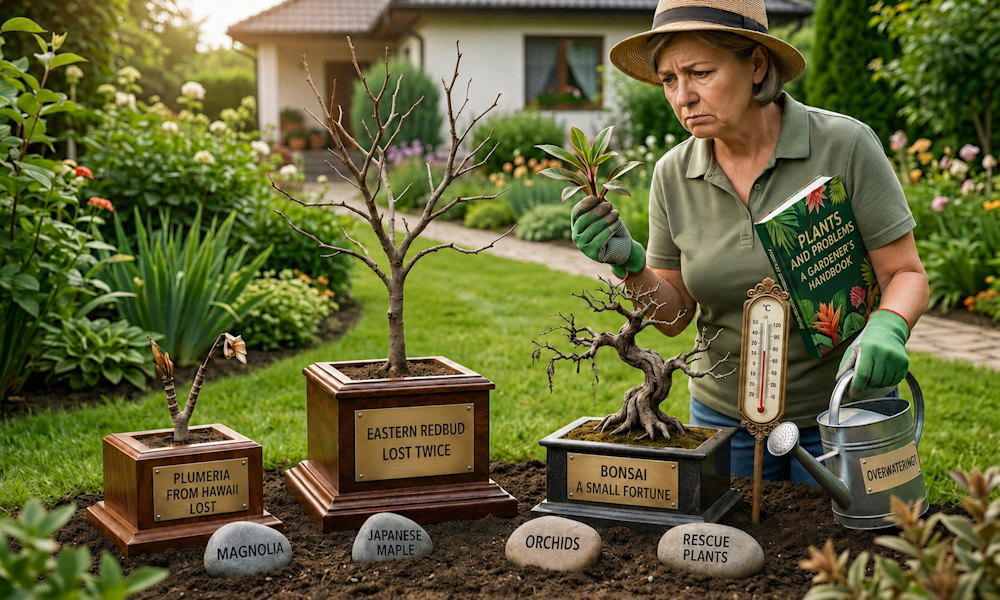

When a bargain bedding plant fails, most gardeners can manage a philosophical shrug. When an expensive specimen begins to brown, however, the garden suddenly acquires its own emergency department. Leaves are examined, the soil is prodded, and several contradictory treatments are considered before breakfast.
Ask gardeners about the costliest plants they have lost and the stories soon emerge: a redbud that failed twice, a plumeria, mature magnolias, Japanese maples and a bonsai worth several hundred dollars. Others recall smaller losses whose combined cost is best left uncalculated.
Yet the losses that hurt most do not always carry the largest price tags. Some plants accumulate their value slowly, through years of care, memory and shared seasons.
The Redbud That Hurt Twice
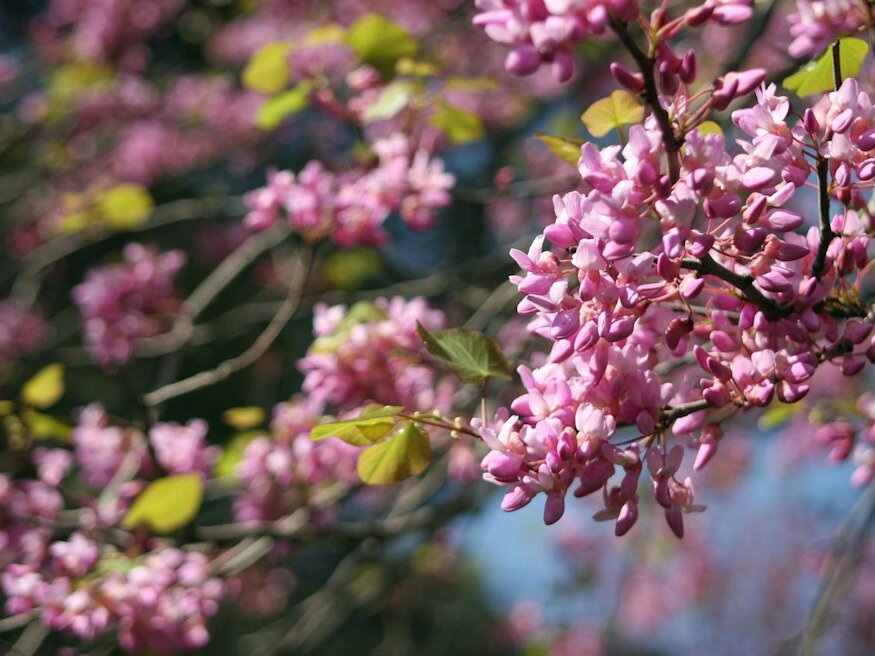
One gardener invested in a handsome eastern redbud (Cercis canadensis), only to watch it die. The following year, armed with the optimism familiar to anyone who grows plants, the gardener bought another and planted it in the same place.
It died too.
Replacing a failed plant with the same species before investigating the cause can amount to repeating the same experiment while hoping the garden has forgotten the result.
The problem may be the site. Poor drainage, compacted soil, drought, unsuitable light, wind or reflected heat can defeat a healthy specimen. Does water collect after rain? Is the afternoon sun fiercer than expected? Has the soil become compacted?
The garden is not necessarily telling us to try again in exactly the same way. Some of us only understand this after the third receipt.
Exotic Beauty, Unfamiliar Rules
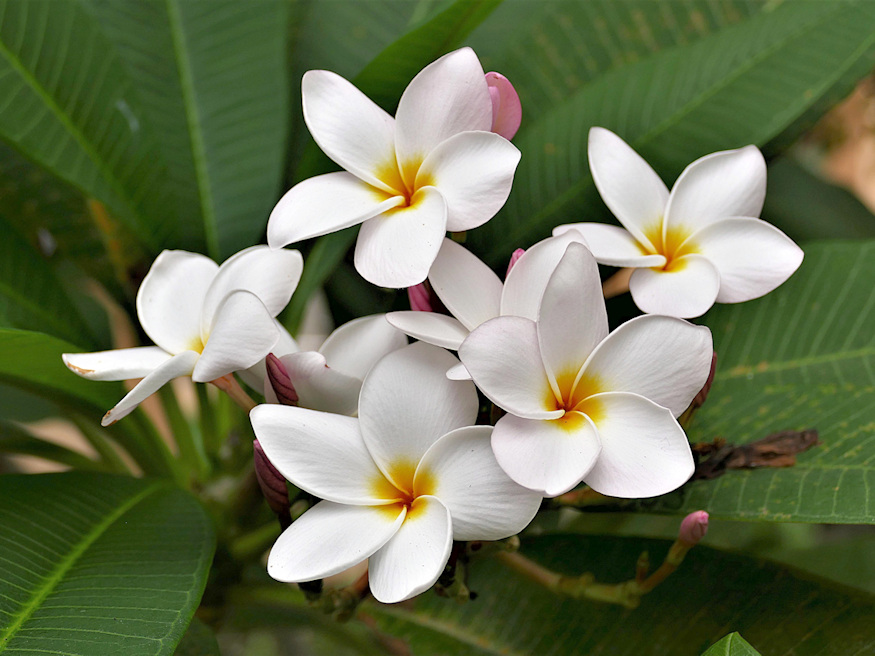
Another gardener lost an expensive plumeria. Someone else brought home a cutting from Hawaii after hearing it was easy to propagate. It rotted first and then dried out – an impressively comprehensive failure.
Plumerias are persuasive plants. Their fragrant flowers can make us forget that they come from warm regions with strong light and a different seasonal rhythm. A cutting may root readily under suitable conditions, but “easy to propagate” never means indifferent to its surroundings.
Fresh cuttings need time to callus before planting. Warmth, bright light and a sharply draining medium encourage roots, while excessive moisture can cause rot. The trap with exotic plants is that we see the flower, not the climate that produced it.
Magnolias and the Danger of a Quick Diagnosis
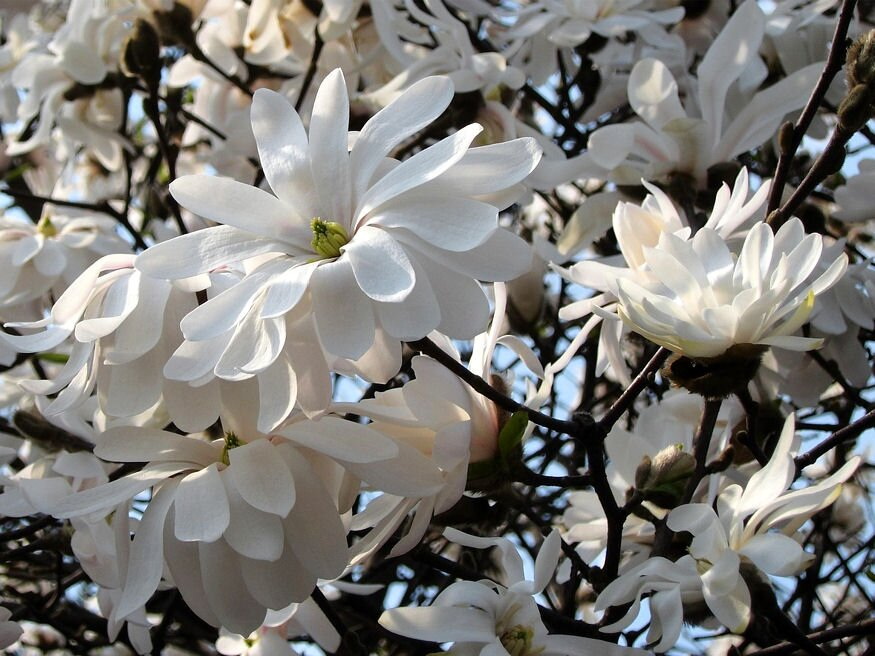
Magnolias feature in many painful stories. One substantial plant, bought in bud, dried out within months. Another gardener lost an evergreen magnolia around half a century old after it initially seemed to settle beautifully.
Planting conditions, weather and transplant shock may all play a part, but brown leaves alone cannot provide a diagnosis. They may indicate drought, waterlogged roots, scorch, cold injury or disease.
Look for a pattern before reaching for a remedy. Are old or young leaves affected first? Is the soil dry below the surface or waterlogged around the root ball? Did the problem begin after frost, heat or a move?
With an expensive plant, the urge to intervene can be overwhelming. Yet sometimes it is not the original problem that proves fatal, but the succession of emergency treatments applied in an attempt to solve it. A brown leaf is a clue, not a diagnosis.
When a Japanese Maple Threatens a Marriage
One Japanese maple had been bought as a wedding-anniversary gift. It was costly enough for the husband to joke that if the tree died, divorce proceedings would follow.
The maple died. The marriage survived, and another similarly expensive tree eventually took its place. The domestic outcome was reassuring; the horticultural one remained delicately unresolved.
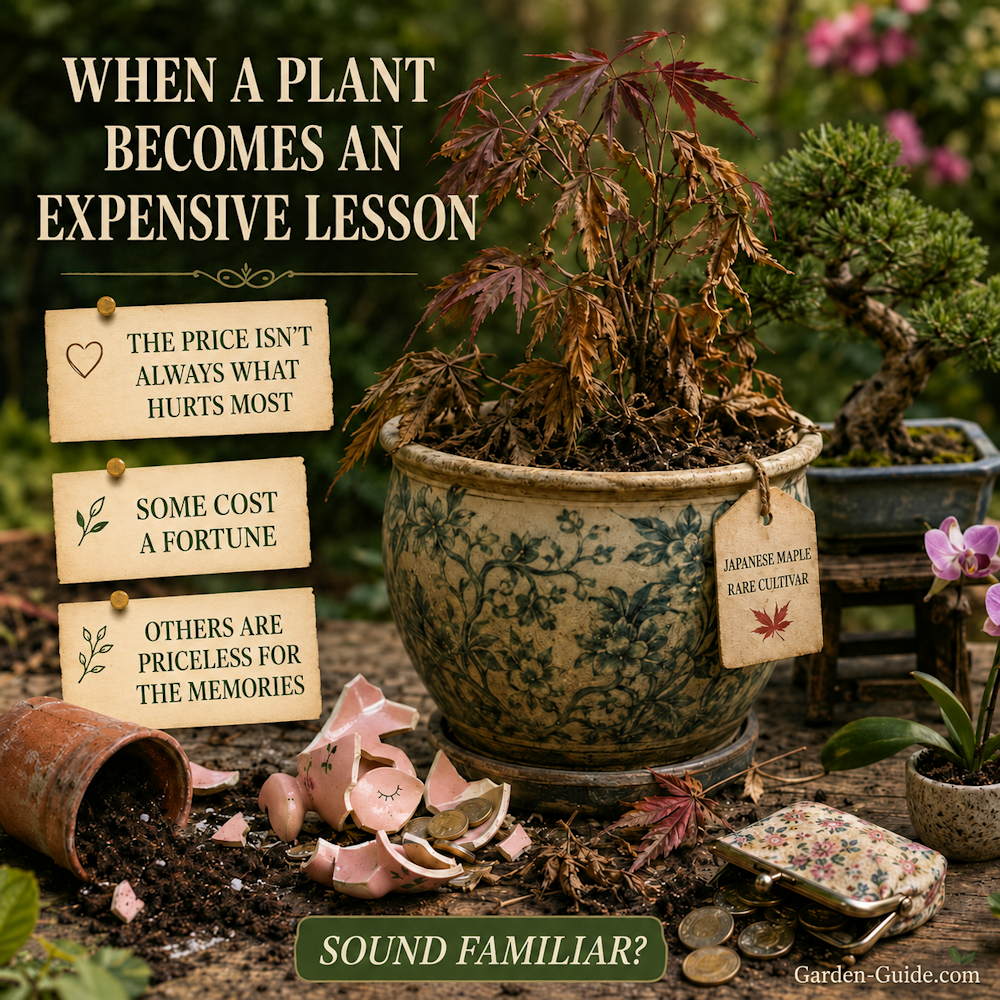
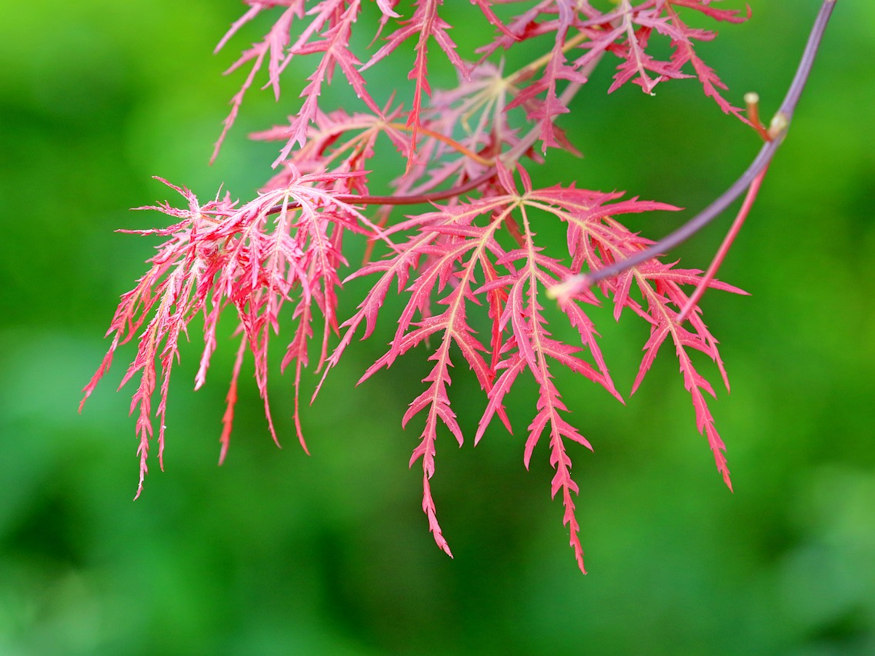
Japanese maples are often called difficult, although particular may be fairer. Many dislike fierce afternoon sun, drying winds, waterlogged roots and erratic watering. A sheltered position with morning light and moist but freely draining soil often suits them well.
The name also covers cultivars with differing tolerances. A finely dissected form may respond differently from a sturdier, broader-leaved tree. The label is not the answer; it is the beginning of the investigation.
The Bonsai Worth a Small Fortune
Then there was the bonsai worth several hundred dollars, prompting calculations of how many bags of compost or perfectly respectable houseplants the same sum could have bought.
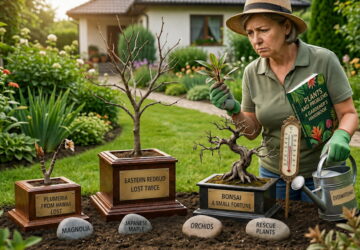
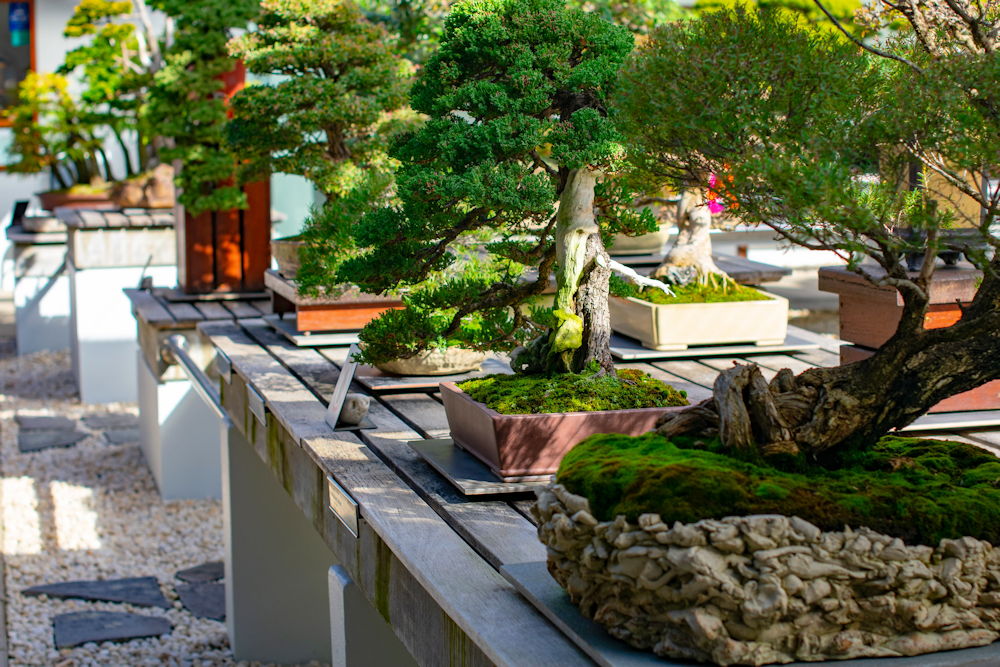
A bonsai is not simply a small tree with an ambitious price. Its value may reflect age, years of training, its pot and the skill required to create a convincing mature form. Losing one means losing all that patient work too.
Its price offers no protection. If anything, an expensive plant may receive too much anxious attention. Every yellow leaf prompts more water, less water, feeding, pruning, repotting or a change of position – sometimes all in the same week.
There is a point at which the difference between care and overcare is little more than one extra watering can.
Bonsai need consistency rather than nervous intervention. Requirements vary by species, but suitable light, an appropriate medium and responsive watering are essential. A fixed timetable rarely works: a tree may need water twice on a hot day and very little during a cool spell.
Orchids, Rescue Plants and Other Temptations
If the competition were decided by quantity, orchids would be formidable contenders. Some gardeners lose one after another, while others maintain flourishing collections. Light, temperature, humidity and watering habits vary enormously between homes.
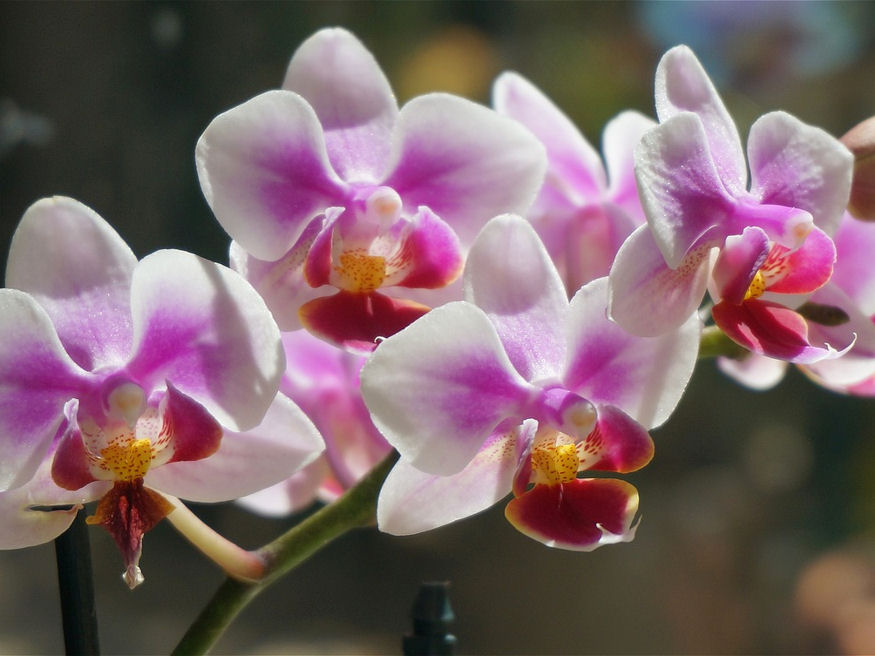
The familiar moth orchid, or Phalaenopsis, prefers bright indirect light, warmth and an airy medium. Its roots need moisture and oxygen; dense, constantly wet material can suffocate them. “Mine never gives me any trouble” is about as useful as saying, “This shoe size fits me perfectly.”
Reduced plants present another temptation. Before rescuing one, check for pests, rot or badly damaged roots. A sound but wilted perennial may recover; an infested bargain may endanger everything else at home. Sometimes the plant has simply received a discounted ticket to the great greenhouse in the sky.
The Plants Whose Value Cannot Be Replaced
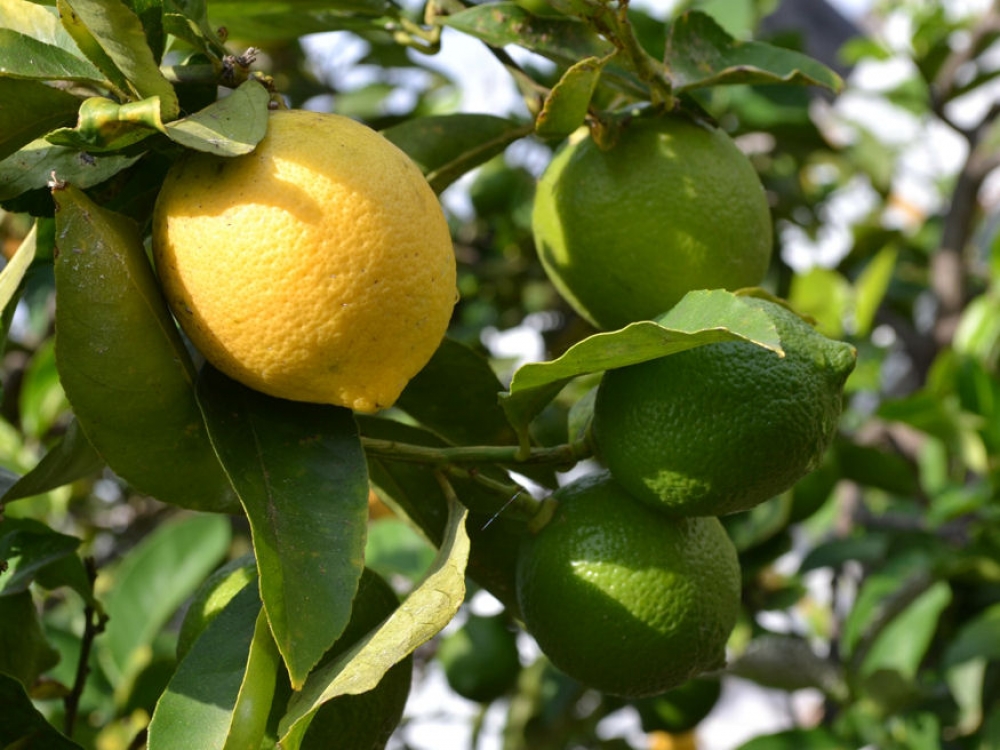
The most affecting losses carry no meaningful price. Imagine three lemon trees more than fifty years old, inherited from an earlier generation. Their owner had grown up beside them and then cared for them for another fifteen or twenty years. When all three died, their original cost had no relevance.
Another gardener might lose a palm grown by parents who are no longer alive, or an orchid received from someone dear. These are living connections to people, homes and former versions of ourselves.
What is a lemon tree worth after half a century of family life? How do we price a palm raised by someone who can no longer grow another? There is no nursery label for that kind of value.
When a treasured plant is healthy, propagation can preserve part of its story through cuttings, offsets, division or seed, depending on the species. The new plant will not replace the original, but it can carry its history into another garden and another generation.
Before You Buy, Know What the Plant Needs
A high price may create the expectation that a plant should be better at surviving. The plant, inconveniently, has no idea what was written on its price tag.
Cost may reflect rarity, size, age or specialist training. None of these guarantees tolerance of poor drainage, the wrong light or an unfamiliar climate. Large specimens can even suffer greater transplant stress than younger plants.
Before a substantial purchase, find out what the plant needs. How large will it become? Does it require shelter? Can it tolerate the local winter? Most importantly, can your garden provide the right conditions?
This research is less exciting than carrying the beautiful plant home immediately. It is also considerably cheaper than buying the same beautiful plant again next year.
Hope Springs Eternal – and Buys Another Plant
Every gardener knows the phrases. Perhaps it will work this time. I will give it one more chance. Now I know what I did wrong. It was too beautiful to leave behind.
Gardening requires hope. Without it, nobody would sow a seed, plant a bare-root tree or wait through winter for the first uncertain signs of spring. But a second attempt becomes useful experience only when something changes: the position, drainage, soil preparation, watering routine, winter protection – or perhaps the choice of plant itself.
Otherwise, we are not learning from the problem. We are simply purchasing it again.
So which is the most expensive plant a gardener can lose? The obvious answer might be the bonsai, mature tree or rare collector’s specimen. Yet the plants remembered most vividly are often the lemon trees inherited from family, the palm raised by someone we loved or the tree planted to mark an anniversary.
A plant has two prices. One appears on the receipt. The other is written slowly, through years of care, memory and shared seasons – and that is usually the one we feel most deeply when the plant is gone.
There is some comfort in knowing that even the most experienced gardener has at least one horticultural skeleton in the cupboard. The only real difference is what it cost – and whether, against all reason, we later bought another.