


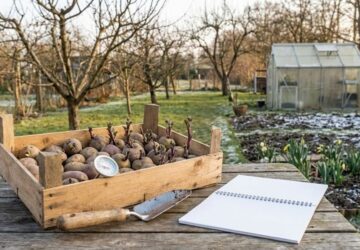
Few vegetables inspire as much anticipation as potatoes. Their tangible, earthy presence makes them difficult to ignore once seed tubers
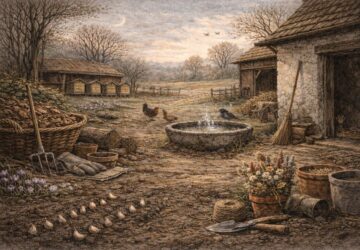
Early March is when small choices carry big consequences. The soil is still delicate, storage areas reveal every winter shortcut,
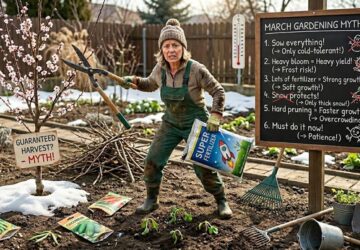
March often creates a false sense of readiness in gardens. Warmer afternoons and visible bud swelling suggest immediate action. Yet
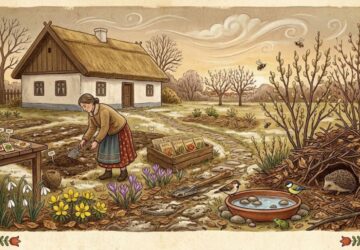
Early March is a threshold: longer light, braver buds, and soil that’s still negotiating between winter and spring. The best
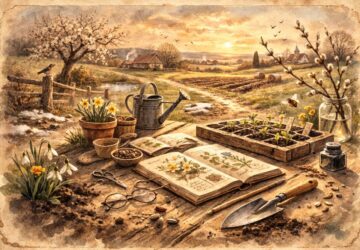
March 2 sits right on that funny edge where spring feels real, but winter still has opinions. Light stretches a
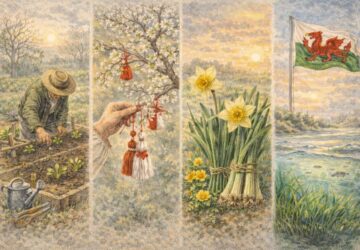
March 1 is a calendar flip with real weight: in many weather and climate contexts, it marks the start of

Late February is a strange threshold: the cold can still bite, but the light is clearly changing. The garden starts
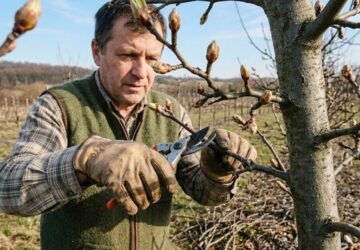
Early March often determines whether promise turns into harvest. Buds swell, sap begins to move, and each pruning cut influences
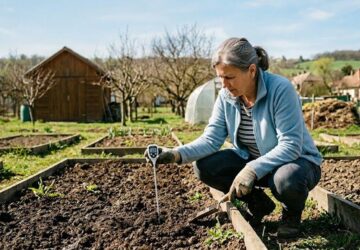
In early March, sunny afternoons create the illusion of spring readiness. Air temperatures rise quickly, inviting early sowing. Yet beneath
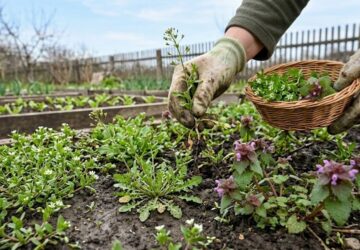
In late winter, certain plants resume growth long before cultivated crops. These species are commonly labeled as weeds — yet