


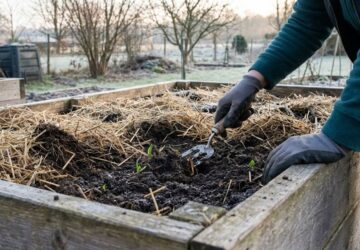
Raised beds warm earlier than surrounding soil, often tempting gardeners into premature action. Yet the key to successful early-season management
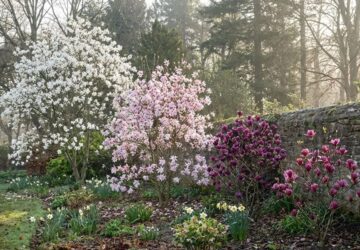
There is a particular kind of morning in early spring — the sort when the borders are still half-asleep, the
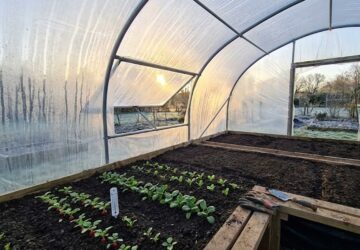
A greenhouse or polytunnel in late winter can feel like a promise of spring. Air temperatures rise rapidly under sunlight,
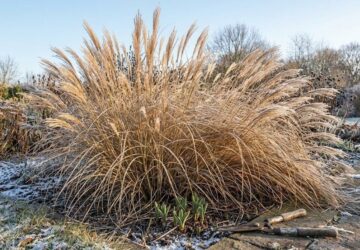
Ornamental grasses provide structure and winter interest long after other perennials have retreated. Their dry stems and seed heads catch
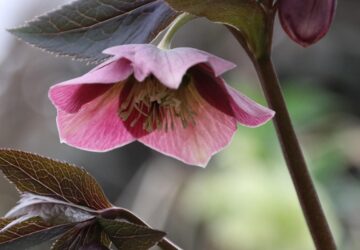
In late February and early March, when the garden itself barely seems awake, hellebores suddenly appear in garden centers in
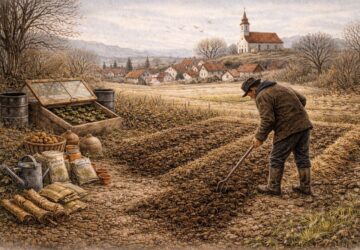
March 6 is a perfect day for the kind of work that doesn’t look dramatic but makes the whole season
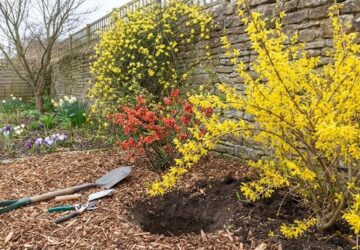
While the garden is only just waking up, certain ornamental shrubs are already in full bloom. Early-season flowering is not
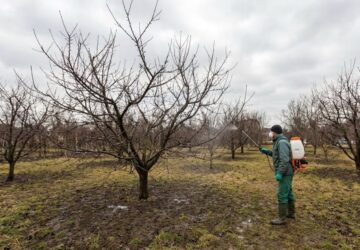
Pre-bud-break spraying is a preventive sanitation measure designed to reduce overwintering pathogen and pest populations before active growth begins. Proper
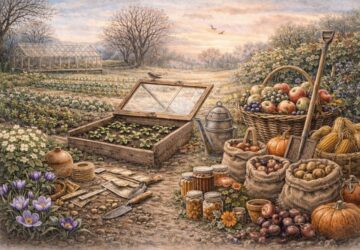
March 5 lands in that globally interesting stretch of the calendar where spring is starting in many places, but not
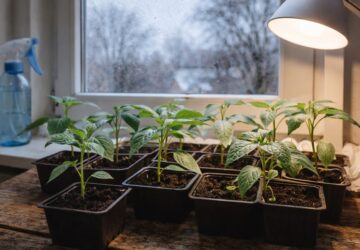
Pepper seeds germinate happily in a warm room, and within days the first tiny leaves appear. Optimism kicks in: the