
By the final days of June, gardens have entered one of their most generous seasons. Roses are still flowering, vegetables seem to grow almost overnight, herbs are rich with fragrance, and fruit trees begin rewarding months of careful attention. It is a time when gardeners spend less time dreaming and more time harvesting.
June 29 has long reflected this turning point. Across Europe, ancient religious feasts, farming traditions and community celebrations have marked the day as a moment to give thanks for nature’s abundance while preparing for the work that still lies ahead. Even today, these traditions remind us that successful gardening has always been about far more than producing beautiful flowers or plentiful crops – it is about living in rhythm with the seasons.
The Feast of Saints Peter and Paul – A Day Rooted in the Farming Calendar
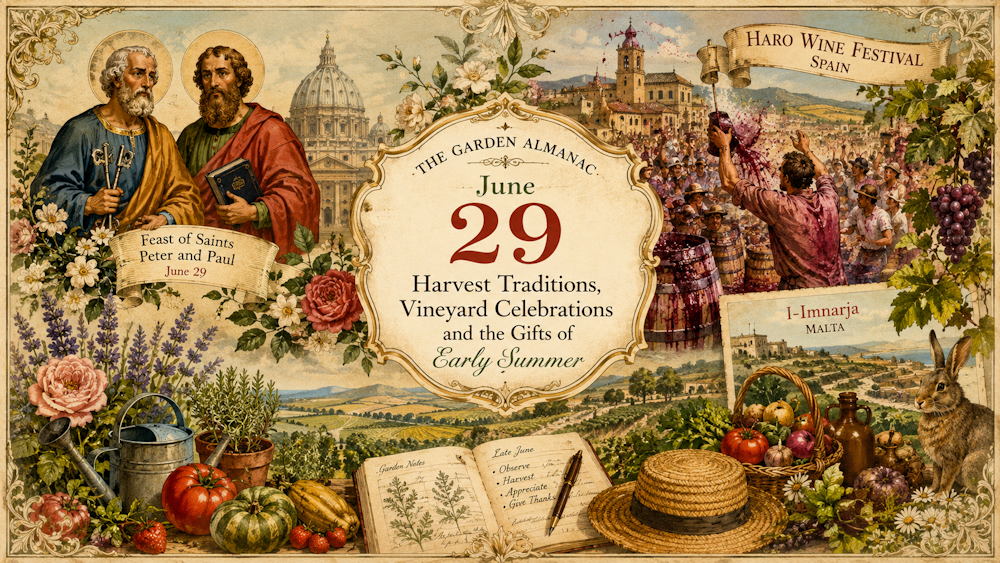
For centuries, June 29 has been celebrated as the Feast of Saints Peter and Paul, one of Christianity’s oldest annual observances. While primarily a religious festival, it also became deeply intertwined with rural life throughout Europe.
Long before modern weather forecasts and agricultural calendars, farmers watched this period closely. By late June, haymaking was beginning in many regions, grain fields were ripening, vineyards demanded careful attention, and orchards promised the first real harvests of summer. Communities often gathered not only for worship but also to celebrate the fertility of the land and pray for favourable weather during the crucial weeks ahead.
Many traditional sayings associated with this feast linked sunshine, rain and wind to the coming harvest. Whether scientifically accurate or not, they encouraged careful observation of nature – something every gardener still benefits from today.
Garden Reminder
Take a slow walk through your garden today.
Look beyond flowers and vegetables to notice:
- which plants are attracting pollinators,
- where moisture disappears fastest,
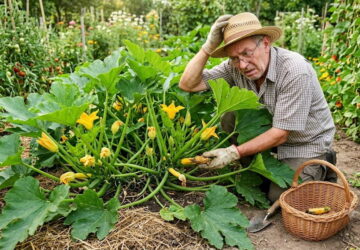
- which crops are ready for harvesting,
- and which areas may need support before midsummer heat intensifies.
Careful observation remains one of gardening’s most valuable skills.
Malta’s l-Imnarja – A Celebration of Land and Harvest
Few places connect June 29 with gardening and agriculture as vividly as Malta.
The traditional festival of l-Imnarja has been celebrated for centuries and remains one of the country’s most important cultural events. Originally associated with the Feast of Saints Peter and Paul, it gradually evolved into a joyful rural festival celebrating farming, local produce and the year’s early harvest.
Families gather outdoors for shared meals, music and agricultural exhibitions. Rabbits, fresh vegetables, fruit, local wines and traditional dishes all play an important role, reflecting the island’s close relationship with its cultivated landscape.
Although modern life has changed enormously, l-Imnarja continues to honour something gardeners understand instinctively: food is never simply bought – it is grown through patience, weather, soil and care.
Seasonal Tip
If your vegetable garden is producing more than your household can immediately use, now is an excellent time to:
- harvest frequently,
- preserve herbs by drying them,
- ze surplus vegetables,
- or share fresh produce with neighbours.
A generous garden often produces enough to benefit more than one family.
Haro’s Wine Festival – When Vineyards Become a Celebration
Another remarkable June 29 tradition unfolds in the Spanish town of Haro, where thousands gather for one of the world’s most unusual vineyard festivals.
The famous Haro Wine Festival includes a spectacular wine battle in which participants joyfully splash one another with red wine before the town continues its celebrations.
Behind the colourful spectacle lies a much older agricultural story. The festival grew from local traditions connected with vineyards and the importance of wine-growing to the region’s identity and economy.
For gardeners, vineyards offer an excellent reminder that perennial crops demand long-term thinking. A grapevine may produce fruit for decades, but only if it receives careful pruning, healthy soil, proper airflow and consistent seasonal care.
The same philosophy applies throughout the garden. Trees, shrubs and perennial flowers reward patience far more than quick results.
Garden Inspiration
Consider adding one long-lived edible plant to your garden this year.
A grapevine, berry bush, fig tree or espaliered fruit tree can become part of your garden for decades, growing more productive with every season.
Late June – Nature’s Peak of Productivity
Regardless of where we live, June 29 often falls during one of the busiest periods in the garden.
Pollinators remain highly active. Many birds are still feeding young. Beneficial insects patrol leaves in search of pests. Soil temperatures encourage vigorous root growth, while warm days and longer evenings allow plants to convert sunlight into remarkable amounts of new growth.
This abundance can sometimes tempt gardeners to intervene too much.
Yet experienced gardeners know that late June is also a season for restraint. Not every faded flower needs immediate removal. Not every insect is harmful. Not every empty patch requires filling.
Healthy gardens thrive because they balance cultivation with natural processes.
Nature Watch
Today, spend a few minutes looking for signs of biodiversity:
- bees collecting pollen,
- hoverflies visiting flowers,
- ladybirds hunting aphids,
- butterflies searching for nectar,
- birds gathering insects for their chicks.
A lively garden is often a healthy garden.
Looking Ahead
June 29 reminds us that gardening has always been about more than growing plants. From Malta’s harvest celebrations to Spain’s vineyard traditions and centuries of seasonal wisdom surrounding the Feast of Saints Peter and Paul, this day reflects humanity’s enduring connection with the land.
As summer moves forward, the gardener’s role gradually shifts from encouraging growth to guiding abundance. Careful harvesting, thoughtful maintenance and close observation now become just as important as spring planting.
Every basket of vegetables, every blooming border and every pollinator-filled flowerbed represents months of quiet work. Taking a moment to appreciate that abundance is not merely tradition – it is one of the greatest rewards that gardening offers.