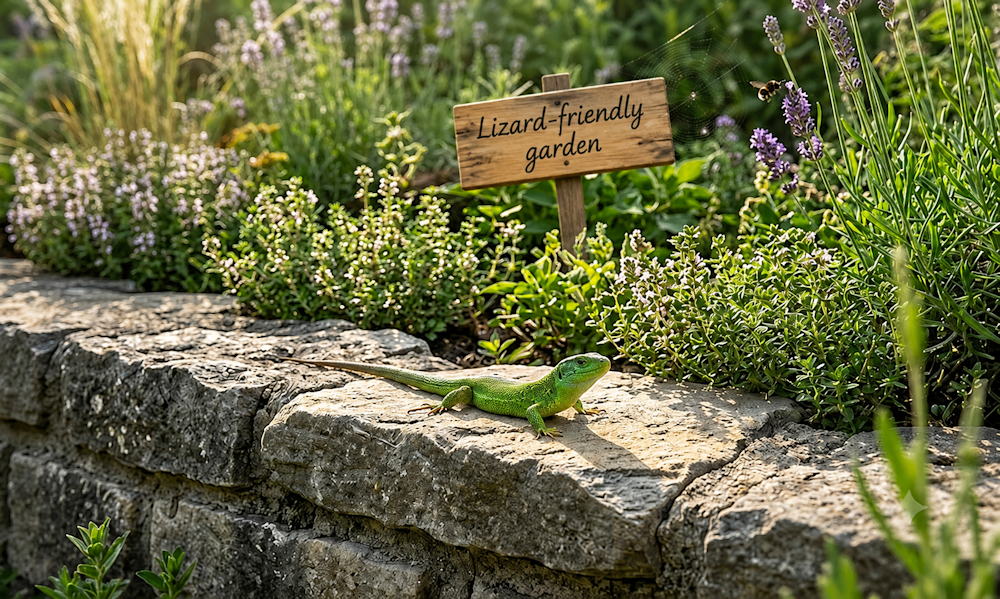

Spotting a lizard darting between stones on a sunny summer morning is one of those moments that can stop a gardener in their tracks. For a split second, there’s surprise. Then curiosity takes over: What is it doing here? Is it a warning sign? A pest? Or simply another sun-lover enjoying the warmest spot in the garden?
The good news is that a lizard’s presence is usually something to celebrate. In many cases, it’s a sign that your garden is offering exactly what wildlife needs: shelter, food, sunshine, and a bit of peace. In other words, your garden is functioning as a living ecosystem, not just a collection of plants.
Why Lizards Are Good Garden Neighbors
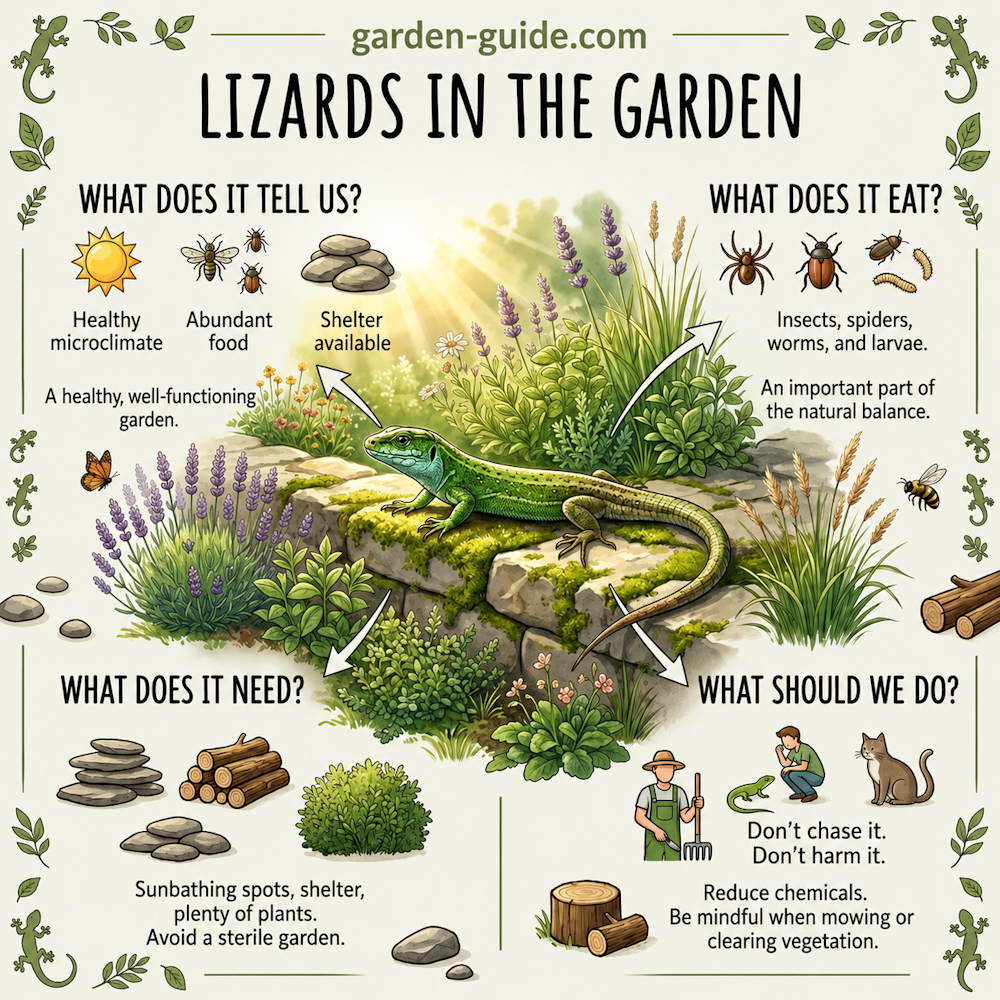
Lizards feed on insects, spiders, and other small invertebrates. They won’t single-handedly eliminate every garden pest, but they are part of the natural balance that helps keep populations in check. Their presence suggests that your garden contains enough insect life to support them, along with safe places to hide and bask.
Best of all, they don’t damage plants. They won’t nibble your tomatoes, tunnel through your carrots, or sabotage your flower beds. Most lizards simply want to be left alone.
What Kind of Garden Attracts Lizards?
Lizards love warmth. Sunny stone walls, rock gardens, paving edges, steps, and dry, sheltered corners are all prime real estate from a lizard’s perspective. But they also need somewhere to disappear when danger approaches.
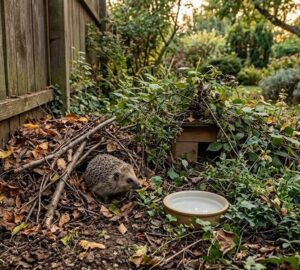
A few carefully placed rocks, a stack of logs, dense planting, or natural gaps between stones can provide valuable refuge. Gardens that are obsessively tidy often leave little room for wildlife, while nature-friendly gardens tend to offer more opportunities for creatures to settle in.
That doesn’t mean your garden has to look messy. It simply means leaving a little space for nature to do its thing.
If You See a Lizard, What Should You Do?
Mostly, nothing.
Avoid chasing it, catching it, or trying to relocate it. A quick photo from a respectful distance is usually the best approach. Lizards are shy animals and will generally disappear long before you can get close.
It’s also worth being mindful when using pesticides. Heavy insecticide use can reduce the food sources that lizards depend on and affect the wider web of life in the garden. Before mowing, clearing dense vegetation, or moving piles of stones, take a moment to check for hidden wildlife. A lizard may be fast, but it is not always faster than a lawn mower.
Cats, Dogs, and Other Garden Hazards
Domestic pets can be one of the biggest threats to garden lizards. Cats, in particular, are skilled hunters and often see a moving lizard as an irresistible toy. Dogs are usually less focused on hunting them, but digging, running, and exploring can still disturb their habitat.
Providing plenty of hiding places can help lizards stay out of trouble. Crevices between rocks, low-growing vegetation, and log piles offer valuable escape routes.
Creating a Lizard-Friendly Garden
The recipe is surprisingly simple:
- Leave some sunny, dry areas undisturbed.
- Include rocks, logs, or natural stone features.
- Grow a variety of plants that attract insects.
- Reduce unnecessary pesticide use.
- Avoid constantly disturbing every corner of the garden.
Sometimes the best thing a gardener can do is resist the urge to do something immediately.
Should You Be Afraid of Them?
Not at all.
The lizard species commonly found in European gardens are harmless to people. They are not aggressive, they are not venomous, and they have no interest in invading your shoes or plotting revenge for yesterday’s weeding session. If frightened, they run away. Usually very quickly.
In fact, a lizard is far more likely to be afraid of you than the other way around.
A Tiny Certificate of Garden Health
A lizard basking on a stone is more than just a charming sight. It’s a sign that your garden offers sunlight, shelter, food, and diversity — the ingredients of a healthy outdoor space. Its presence suggests that nature feels welcome there.
So the next time a small, speedy reptile flashes across a path and vanishes into the greenery, don’t panic. Consider it a tiny, scaly review from nature itself.
And judging by that review, your garden is doing just fine.