
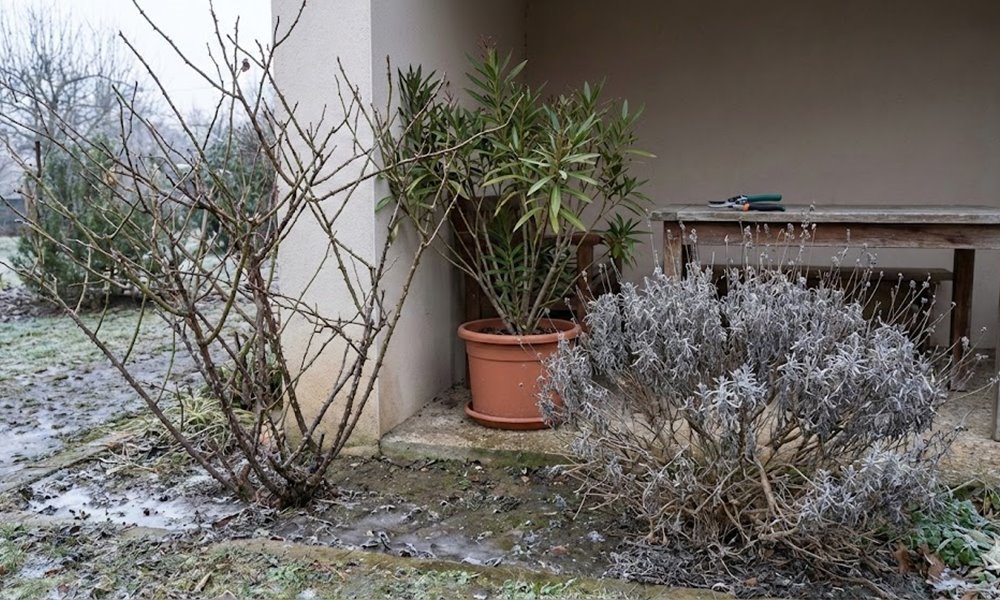

By February, every gardener feels the itch to act. The pruning shears fit perfectly in hand, overwintered plants look suspiciously alive, and the rose stands there bare and exposed, almost asking for attention. And yet, for some plants, the kindest thing you can do in February is nothing at all. This isn’t superstition — it’s plant physiology. These species are more vulnerable right now than they appear.
Roses – when good pruning happens at the wrong time
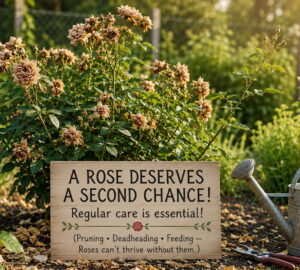
Roses are among the most commonly pruned-too-early garden plants. A mild February day can feel like the perfect moment: the structure is visible, the branches are bare, and winter seems to be retreating.
The problem is that roses respond quickly to short warm spells, starting internal growth that can be brutally set back by a later frost. Early pruning only amplifies the risk: fresh cuts are exposed, developing buds are damaged, and the plant can lose valuable energy.
Roses are best left alone until the danger of hard frost has truly passed and bud movement is clearly underway.
Oleander – a Mediterranean patience test
By February, oleanders often look deceptively ready. Green leaves, sometimes even fresh growth, can make it tempting to move them outdoors.
In temperate climates, this is almost always too early. Oleander struggles less with cool air than with sudden temperature swings. A sunny February afternoon followed by a cold night can cause real stress, even if daytime conditions feel pleasant.
Early exposure often leads to leaf drop or shoot damage that takes weeks to recover from.
Lavender – the classic frost trap
Lavender has a reputation as a tough survivor, which makes February risks easy to underestimate. In reality, freshly cut lavender is highly vulnerable to late frosts.
Hard pruning at this stage leaves young tissue and cut surfaces unprotected. A cold snap in March can cause dieback or partial plant loss, especially in heavier, moisture-retentive soils.
Lavender pruning is safest once winter has clearly loosened its grip.
What do these plants have in common?
In all three cases, stable conditions matter more than the calendar. February weather is notoriously unreliable: warm days, freezing nights, and sudden cold spells can arrive without warning.
Most damage at this time of year isn’t caused by cold alone, but by acting too soon.
The hardest garden task of all
In February, the most difficult job is often restraint. Watching, planning, and waiting. That isn’t laziness. It’s experience. Most plants will thank you for it in spring.
As with all seasonal advice, timing varies by climate. In cool–temperate regions this dilemma typically appears in late winter, while in milder climates it may arise earlier, and in colder areas somewhat later. The principle, however, remains the same: premature action is usually riskier than patience.