

By July 23, summer has stopped being gentle. The garden is still full of abundance, but it is also full of tests: heat on leaves, storms above roofs, dry grass along roadsides, fruit swelling too fast after rain, and containers asking for water almost before the morning is over.
This is a date with a surprisingly practical message. Its stories move from an ancient gardener on the Black Sea to the first car sold by Ford, from heat-stressed cattle in South Dakota to one of the largest hailstones ever recorded in the United States, and finally to the deadly wildfires that struck Attica, Greece, in 2018.
Together, they make July 23 feel less like a list of anniversaries and more like a midsummer field notebook. It is a day about how people shape land, how weather tests living things, and how gardens can become more resilient when we learn to read the signs around us.
St. Phocas the Gardener – A Patron Saint for Working Soil
Among the more garden-minded traditions connected with July 23 is the remembrance of St. Phocas the Gardener, a figure associated with Sinope on the Black Sea coast. His story belongs partly to religious tradition and partly to the long cultural history of gardening as service: a person who grew food, welcomed strangers, and used the garden not as decoration, but as a source of nourishment and hospitality.
That is a useful way to begin a July garden almanac. In high summer, the garden is rarely private in its effects. A fruit tree feeds birds before it feeds the household. A bowl of tomatoes given to a neighbor continues the work of the plant. A shaded bench, a clean birdbath, a patch of herbs for insects, a gate with flowers around it – all of these make the garden part of a wider human and ecological community.
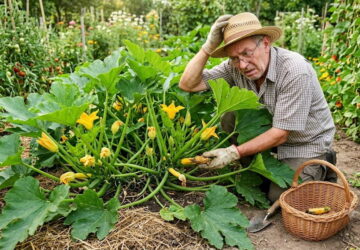
The lesson here is not only sentimental. Productive gardens need planning for generosity. If courgettes, beans, basil or cucumbers are producing faster than the kitchen can use them, regular harvesting keeps plants healthier and often extends production. Letting too many mature fruits stay on the plant can slow new flowering, especially in crops grown for tender harvests.
Garden Reminder: What Should You Harvest Often in Late July?
Some crops perform better when picked frequently:
- Courgettes and summer squash are best harvested young, before seeds harden.
- Beans should be picked every few days to encourage continued flowering.
- Basil responds well to regular pinching, especially before flower spikes fully open.
- Cucumbers are usually sweeter and crisper before they become oversized.
- Cut-and-come-again herbs stay bushier when harvested lightly but often.
A generous garden is not a neglected garden. It gives more when it is visited often.
July 23, 1903 – The First Ford Sale and the Roadside Landscape
On July 23, 1903, the Ford Motor Company sold its first car, a Model A. At first glance, this may look like an industrial milestone rather than a garden story. But the automobile changed not only how people travelled. It changed the shape of towns, suburbs, roadsides, front gardens and whole working landscapes.
Cars stretched cities outward. They helped create commuter suburbs, driveways, garages, filling stations, roadside plantings and the modern front lawn as a public-facing domestic space. They also brought air pollution, road runoff, soil compaction, noise, wildlife fragmentation and a new kind of heat: the heat stored and reflected by asphalt, concrete and parked vehicles.
For today’s gardener, this history matters because many gardens now exist beside hard surfaces. A small urban front garden may have to deal with reflected heat from walls and paving. A roadside verge may be exposed to salt, dust, drought and compacted soil. A driveway border may dry faster than a back garden bed only a few metres away.
The best planting for these places is not necessarily the most delicate planting. It is often a tough, layered mix: deep-rooted perennials, resilient grasses, shrubs that tolerate pruning, trees placed where roots have enough space, and groundcovers that protect soil from heat. Even a narrow strip beside a driveway can cool the surface, slow runoff and feed insects if it is planted well.
Garden Science: Why Are Roadside and Driveway Beds So Stressful?
Plants near paving often face several stresses at once. Hard surfaces absorb heat during the day and release it slowly at night. Rainwater may run off quickly instead of soaking in. Soil is often compacted during construction, leaving roots with less air and fewer pathways for water.
Practical responses include improving soil with compost, mulching after watering, choosing drought-tolerant plants, and avoiding very shallow-rooted plants in the hottest strips. In small spaces, one well-chosen shrub or small tree can be more valuable than a thin row of thirsty annuals.
July 23, 2007 – Heat Stress and the Animals Around the Farm
On July 23, 2007, extreme heat and very light wind contributed to the deaths of thousands of cattle in parts of South Dakota. It was a severe agricultural event, but its lesson reaches beyond large farms. Heat stress affects livestock, pets, wildlife, pollinators and garden plants, often before humans fully register the danger.
Heat becomes more dangerous when high temperatures combine with humidity, still air and limited shade. Animals cool themselves in different ways, but many depend on air movement, water access and shade. Plants also suffer when transpiration cannot keep up with heat and water loss. Leaves may curl, flowers may drop, and fruiting crops may pause production.
For gardeners, this is a reminder to think about the whole living system, not only the plants. A hot garden without shade or water can become difficult for birds, bees, beneficial insects and soil life. A garden with trees, shrubs, mulch, water and varied heights creates microclimates – small pockets where living things can endure stressful weather.
In vegetable gardens, heat stress often shows up as blossom drop on tomatoes and peppers, bitter lettuce, bolting herbs, poor fruit set, or midday wilting. The answer is not always more water. Sometimes the better answer is shade cloth, deeper mulch, improved soil structure, or planting heat-sensitive crops where they receive morning sun and afternoon protection.
Wildlife Note: How Can a Garden Help During Extreme Heat?
During heatwaves, small changes can make a garden more useful to wildlife:
- Place shallow water dishes in shade and refresh them daily.
- Add stones or floating cork to insect water stations so pollinators can land safely.
- Leave some dense shrubs as shelter for birds.
- Avoid pruning heavily during extreme heat, because sudden exposure can scorch stems and leaves.
- Water early in the morning so plants and soil enter the hottest hours better prepared.
A heat-resilient garden is not only greener. It is kinder to the life moving through it.
July 23, 2010 – The Hailstone That Reminded Gardeners to Look Up
On July 23, 2010, a severe thunderstorm in Vivian, South Dakota, produced a record-breaking hailstone. Hail is one of the most dramatic reminders that summer weather is not simply warm weather. It is unstable weather, capable of changing from bright heat to violent impact in a short time.
Gardeners know the heartbreak of hail: shredded courgette leaves, bruised fruit, flattened annuals, broken tomato stems, hostas turned to ribbons. But a damaged garden is not always a lost garden. Many plants can recover if the growing point remains intact and disease is prevented from entering torn tissue.
After hail, the first task is assessment, not panic. Remove badly broken stems, harvest damaged fruit before it rots, and avoid heavy feeding immediately after injury. Plants need time to restart balanced growth. A light compost mulch and steady watering are usually more useful than pushing them with too much nitrogen, which can produce soft growth vulnerable to later stress.
For high-value crops, physical protection is worth considering before storms arrive. Horticultural fleece, insect mesh, temporary netting, movable containers and simple frames can reduce damage. In hail-prone areas, placing the most vulnerable crops where they can be covered quickly is a practical design choice.
Seasonal Tips: What To Do After Hail Damage
- Remove torn leaves only if they are badly shredded or likely to rot.
- Support bent stems rather than cutting them off immediately.
- Pick bruised fruit and use it quickly if still edible.
- Watch for fungal disease in dense, damaged foliage.
- Give plants a few days before deciding what must be replaced.
A summer storm can make a garden look ruined in minutes, but plants are often better at recovery than they first appear.
July 23, 2018 – Attica and the Firewise Garden
On July 23, 2018, wildfires in Attica, Greece, became one of the deadliest fire disasters in the country’s modern history. Driven by extreme conditions, strong winds and vulnerable settlement patterns, the fires showed how quickly dry vegetation, buildings and weather can combine into catastrophe.
For gardeners in dry-summer regions, this story carries serious practical meaning. A beautiful garden can still be a risky garden if dry material is allowed to build up, if shrubs form continuous fuel near buildings, or if trees, fences, sheds and stored materials create a pathway for fire.
Firewise gardening does not mean stripping the land bare. Bare soil can erode, overheat and lose life. The better approach is managed vegetation: green, irrigated zones near the home where appropriate; lower-growing plants close to buildings; pruned trees with lifted canopies; breaks in dense shrub planting; and regular removal of dead, dry material.
Mediterranean plants are often drought-adapted, but drought-adapted does not automatically mean low-risk. Some aromatic, resinous plants can burn intensely when dry. The key is placement and maintenance. Lavender, rosemary and pines may belong in the landscape, but not always pressed tightly against windows, wooden fences or escape routes.
What to Observe Right Now – The Midsummer Risk Map
Late July is a good time to walk through the garden with a practical eye. Not to criticize it, but to understand how it behaves under pressure.
Look for the places where heat gathers, water disappears, wind funnels, dry leaves collect, or plants repeatedly fail. These are not just flaws. They are clues.
Notice:
- which beds dry out first after watering,
- where stormwater runs instead of soaking in,
- which containers wilt before noon,
- where dry grasses or prunings have accumulated,
- which plants still attract pollinators in hot weather,
- where shade could protect both people and plants.
This kind of observation turns a garden from a collection of plants into a living system you can manage more intelligently.
Looking Ahead
July 23 reminds us that gardens are shaped by more than gardeners. Roads, heat, storms, animals, old traditions, settlement patterns and extreme weather all leave their mark on the land around us.
The hopeful part is that gardeners are not powerless inside this larger story. We can plant shade where hard surfaces overheat. We can harvest often and share abundance. We can provide water for wildlife, protect soil with mulch, choose tougher plants for exposed places, and reduce fire risk by maintaining dry summer vegetation wisely.
A good July garden is not one that avoids every stress. It is one that has been prepared to meet stress with structure, diversity and attention. On this date, the almanac’s message is clear: observe closely, plant thoughtfully, and design gardens that can live well in the summers we actually have.