
By late September, the garden has a different kind of abundance. The tomatoes may be softening faster than they can be eaten, apples are dropping with quiet insistence, seedheads are browning, and the morning air begins to make every ripe fruit feel slightly urgent.
September 29 gathers several stories around that same threshold: an old seasonal feast that once marked the turning of the rural year, a conservation legacy that changed how wild plants and animals could be traded, and a modern reminder that the harvest is not truly complete until it is stored, shared or eaten.
Michaelmas – The Feast That Stood at the Edge of the Harvest
For centuries, September 29 was known in many western Christian traditions as Michaelmas, the feast of Saint Michael and All Angels. In Britain and Ireland especially, it became more than a church date. It stood near the end of the main harvest season, when fields had largely been cleared, rents were due, servants might be hired, and households looked ahead to the colder half of the year.
That practical timing explains why Michaelmas gathered so many food customs around it. Goose became a traditional dish in parts of England, while seasonal produce, late fruit and newly gathered grain shaped local celebrations. The date did not simply say “autumn has arrived”; it asked a much more practical question: have you made proper use of what summer gave you?
For gardeners, that question still feels familiar. Late September is the moment to gather windfall apples before they rot, lift tender crops before cold nights damage them, and decide what can be eaten fresh, stored, dried, frozen or composted. A Michaelmas garden is not emptying itself. It is asking to be sorted with attention.
Garden Reminder – What to Do in the Garden Around September 29
- Pick ripe fruit regularly, especially apples, pears, tomatoes and late berries, before bruising and rot spread.
- Separate damaged produce from sound produce; one spoiled fruit can shorten the storage life of many others.
- Collect seeds from dry, healthy seedheads on annuals, herbs and vegetables.
- Plant spring-flowering bulbs while the soil is still workable and before heavy winter wet sets in.
- Leave some seedheads standing for birds and insects, especially on plants such as echinacea, teasel, rudbeckia and sunflowers.
John F. Lacey – The Conservation Law Hidden Behind Everyday Choices
John F. Lacey, the American congressman closely associated with the Lacey Act, died on September 29, 1913. The law that bears his name was passed in 1900 and became one of the earliest federal conservation laws in the United States. Its original purpose was to stop illegally hunted wildlife from being carried across state lines and sold elsewhere.
What makes the story so interesting is that it treated conservation not only as a matter of loving nature, but as a matter of trade. If wild birds, game animals or later plants could be stripped from one place and sold in another with no meaningful consequence, local protection was easy to undermine. The law recognized that markets can damage landscapes from a distance.
For modern gardeners, that idea reaches far beyond wild birds. Today, plant collecting, timber sourcing, invasive species and the movement of living material all raise similar questions. A beautiful plant is not only a plant; it also has an origin, a pathway and a possible ecological cost. Buying from reputable nurseries, avoiding illegally collected wild plants, and being cautious with invasive ornamentals are small garden-level versions of a much larger conservation principle.
Wildlife Note – A Tidier Garden is Not Always a Kinder Garden
Late September is a good time to resist the urge to clear everything at once. Many insects shelter in hollow stems, leaf litter and dry plant material, while birds feed on seeds and berries through autumn. A mixed garden, with some cut areas and some standing stems, often supports more life than a perfectly stripped border.
If a plant is diseased, remove and dispose of the affected material. But if stems are healthy, consider leaving part of the border standing until spring. The garden may look less polished, but it becomes more useful.
September 29 and the Food We Lose After Growing It
September 29 is also the International Day of Awareness of Food Loss and Waste. It is a modern observance, but it speaks directly to one of the oldest gardening truths: growing food is only half the work. Harvesting at the right time, storing properly and using what we grow are just as important.
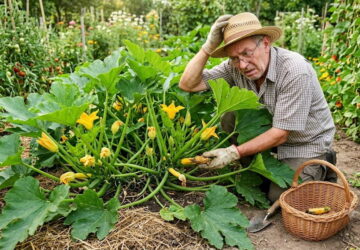
Food loss often happens before food reaches the shop, through poor harvesting, storage, transport or processing. Food waste happens later, in shops, restaurants and homes. For a gardener, both ideas can fit into one small basket: the courgette that became too large to enjoy, the apples left bruising under the tree, the herbs that bolted before anyone thought to dry them.
The surprising part is how much climate and land are hidden inside waste. Food that is never eaten still used soil, water, labour, energy and space. In a garden, this makes even modest habits meaningful: harvesting little and often, cooking with imperfect produce, freezing surplus berries, turning peelings into compost, and sharing gluts before they become a problem.
This is also where gardeners have an advantage. We see ripeness as a process, not a supermarket category. A split tomato can still make sauce. Small carrots are not failures. Windfall apples can become compote if used quickly. The garden teaches a more flexible idea of value, one that sees usefulness before perfection.
Garden Science – Why Stored Produce Keeps Breathing
Fruit and vegetables do not stop being alive the moment they are picked. Many continue to respire, using oxygen and releasing carbon dioxide, water and heat. This is one reason stored produce can shrivel, soften or spoil if conditions are too warm, too wet or poorly ventilated.
Ethylene, a natural plant hormone, also matters. Apples, pears, tomatoes and some other fruits release ethylene as they ripen, and it can speed up ripening in nearby produce. That is useful if you want green tomatoes to colour, but less useful if you store apples beside crops that need to stay firm.
A few simple rules help: keep damaged produce separate, store only clean and dry crops, check boxes regularly, and avoid mixing strong ethylene-producing fruits with vegetables that are sensitive to it. Good storage is not just housekeeping. It is plant physiology in a shed, cellar or pantry.
What To Observe Right Now
- Which fruits are ripening faster after cool nights and damp mornings?
- Are birds visiting seedheads, berries or fallen fruit?
- Which plants are still feeding pollinators on mild afternoons?
- Where does dew linger longest in the garden, and does disease appear there first?
- Which crops need picking now, and which can safely remain outside a little longer?
Looking Ahead
September 29 reminds us that autumn is not only a season of endings. It is a season of decisions: what to harvest, what to leave, what to protect, what to share, and what to return to the soil. Michaelmas gives the day its old rural rhythm, the Lacey legacy widens our view of responsibility, and the food waste observance brings the question back to the kitchen table.
A good garden at this time of year is not necessarily the neatest one. It is the one where abundance is noticed, wildlife is allowed some room, and the harvest is treated with respect all the way from soil to plate.