



In early March, lawns appear dormant yet unsettled. Patches of dull grass, matted blades, and moss create the impression that

Garlic and overwintered onions are among the first crops to resume visible growth in early spring. Emerging leaves often prompt
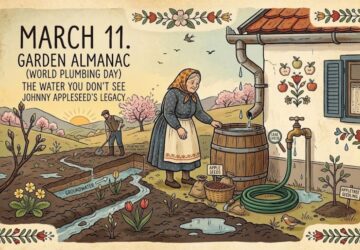
March 11 is a sneaky-important date for gardeners because it highlights what makes gardens work before anything looks pretty. It’s
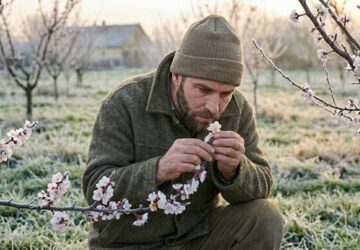
When apricot trees bloom in early March, they symbolize both promise and vulnerability. Flowering marks the transition into reproductive development
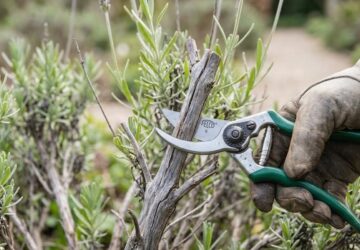
Lavender often looks untidy by early spring. The base becomes woody and bare, the upper shoots uneven and partially lignified.
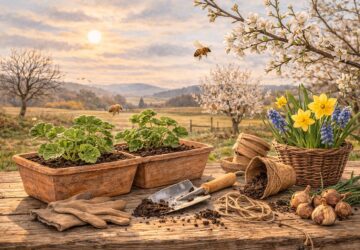
March 10 carries a classic piece of folk weather observation: what you get today sets the tone for the next

March 9 sits right in that early-spring uncertainty where one day feels like April and the next reminds you winter
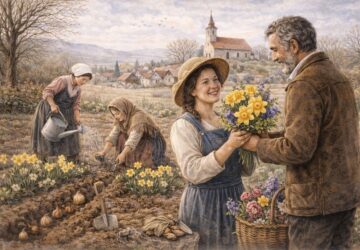
March 8 is famous for flowers, but gardeners know the truth: flowers are the finale, not the work. Early March

March 7 is one of those dates that feels half-folklore, half-field note. In many parts of Europe, early March can
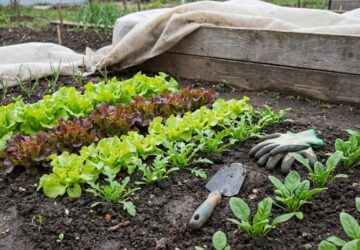
The kitchen garden does not begin in June. Those who understand this can harvest fresh leaves as early as March.