
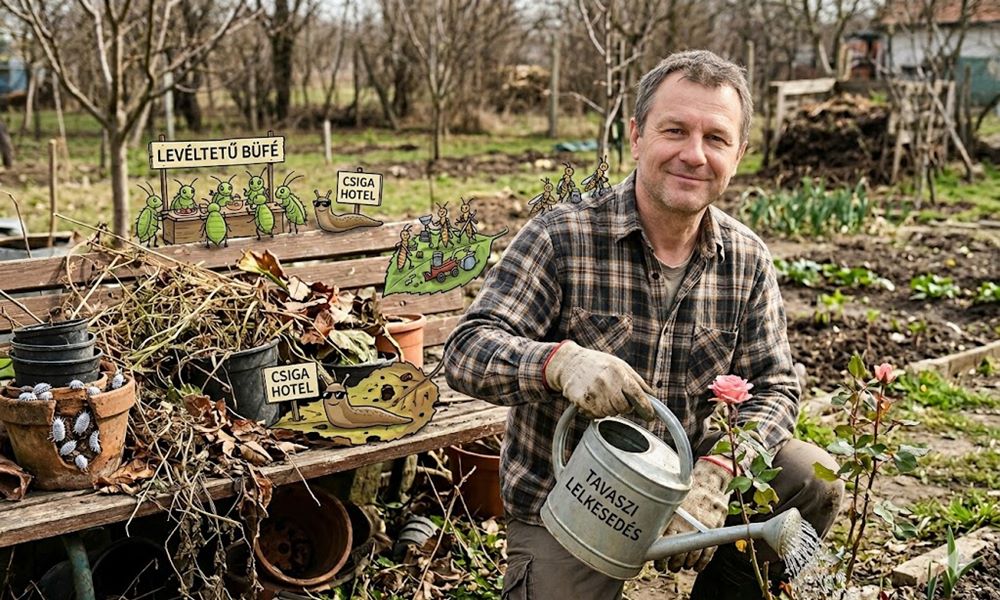

By March, gardeners are usually split between two moods. One is full spring optimism: the sun is out, the soil is waking up, and surely it is time to do something useful immediately. The other is a softer illusion: it is still early, nothing much is happening yet, there is time. Pests, unfortunately, do not subscribe to either theory.
One of the most common spring mistakes is not a dramatic blunder at all. It is simply waiting too long to pay attention. Many gardeners only think about pests once they can actually see damage: curled leaves, sticky shoots, chewed seedlings, distorted buds, mystery holes. By then, the season is not beginning. It is already underway.
What is the real March mistake?
It is treating the garden as if only the plants are waking up. In early spring, attention naturally goes to sowing, pruning, feeding, tidying and planting. But while we focus on growth, pests are quietly taking advantage of shelter, moisture, crowding, weak new growth and neglected corners. Eggs, overwintering adults, larvae and hidden colonies are often already present before the garden looks fully alive. So the real mistake is not looking early enough.
What are we leaving behind for them?
Spring tidying is not just about making the garden look respectable again. Old diseased leaves, dead stems, weedy pots, uncollected debris and forgotten greenhouse corners can all provide cover for pests and disease.
This does not mean a wildlife-friendly garden should be stripped bare and sterilised. It means there is a difference between healthy overwinter habitat and a neglected pile of last year’s problems.
Particular danger spots include:
- diseased leaves left under shrubs and fruit bushes
- last year’s damaged or infested shoots
- weedy bed edges and crowded corners
- abandoned containers and window boxes
- greenhouses, cold frames and sheltered walls that are rarely checked
A tidy garden is not always a healthy garden. But an unchecked mess can become a very efficient spring launchpad.
Why does overwatering make things worse?
Early in the season, many gardeners reach for water as a sign of care. But overwatering in cool conditions can stress plants instead of helping them. Poorly aerated roots, soggy compost and stale, humid air all make plants less resilient.
That matters because stressed plants are often more attractive and more vulnerable to sap-sucking pests. In greenhouses, conservatories, porches and crowded indoor growing spaces, that combination of tenderness, humidity and weak airflow can become a gift to aphids, mites and other unwelcome opportunists.
Why does late observation cost so much?
Because pests are easiest to deal with before they look dramatic.
Aphids do not start as a full-scale invasion. Spider mites do not begin with obvious webbing everywhere. Slugs rarely announce themselves before half a seedling disappears overnight. Pest problems usually start quietly.
That is why March observation matters so much. Check buds, shoot tips, leaf undersides, soil surfaces and sheltered spots. Look closely at roses, fruit trees, overwintered container plants, leafy seedlings and anything producing soft new growth. If you only start paying attention once the damage is obvious, you are arriving for the second act.
Which plants deserve extra attention?
Fresh, tender growth is prime territory. That makes early roses, fruit trees, brassicas, salads, young seedlings and overwintered plants especially worth watching. Pelargoniums, oleanders, citrus and other container plants that have spent winter under protection often carry problems before they ever go back outside. In other words, anything soft, promising and newly awake is likely to attract interest from more than just the gardener.
What should we do in March instead?
The good news is that prevention is usually more about routine than panic.
Inspect plants properly
Do not just glance at the garden from standing height. Look closely at buds, leaf undersides, shoot tips and bark crevices.
Remove genuinely problematic debris
You do not need to wage war on every dry stem. But diseased, infested or obviously troublesome plant material from last season should not be left behind out of sentiment.
Thin and air vulnerable areas
Dense, crowded, stagnant growth creates comfortable conditions for trouble. A more open planting is easier to monitor and often less inviting.
Water with judgment, not enthusiasm
Do not water because the calendar says spring has started. Water because the plant and the soil actually need it.
Check overwintered plants before moving them on
Plants that have spent winter indoors or under cover can carry hidden pest populations long before symptoms become dramatic.
Can this help even without pesticides?
Very often, yes. That is the whole point of early prevention. Good hygiene, regular checking, better airflow, sensible watering and timely removal of problem material can reduce pest pressure before stronger intervention becomes necessary. Garden protection does not begin with spraying. It begins with noticing.
What the garden is really saying in March
March is deceptive. Everything feels fresh, hopeful and unfinished, which makes it easy to assume that problems belong to later in spring. But pest season rarely arrives with ceremony. It begins in the small missed details.
So the real March mistake is not sowing a little too eagerly or pruning with excessive confidence. It is failing to notice what is already beginning. And that is how many gardeners accidentally open the season not just for their plants, but for the freeloaders too.