

The first time I saw a hedgehog in a garden at dusk, I had one of those absurdly proud moments gardeners know well. You immediately feel as if your whole plot has been officially certified by nature. In my case, it started with rustling in a patch of dry leaves. I was just about to announce, with full amateur confidence, that it was probably a bird being dramatic, when out came a hedgehog, slowly and with zero concern for my theories. It looked less like a visitor and more like a tiny wildlife inspector checking whether the premises met minimum ecological standards.
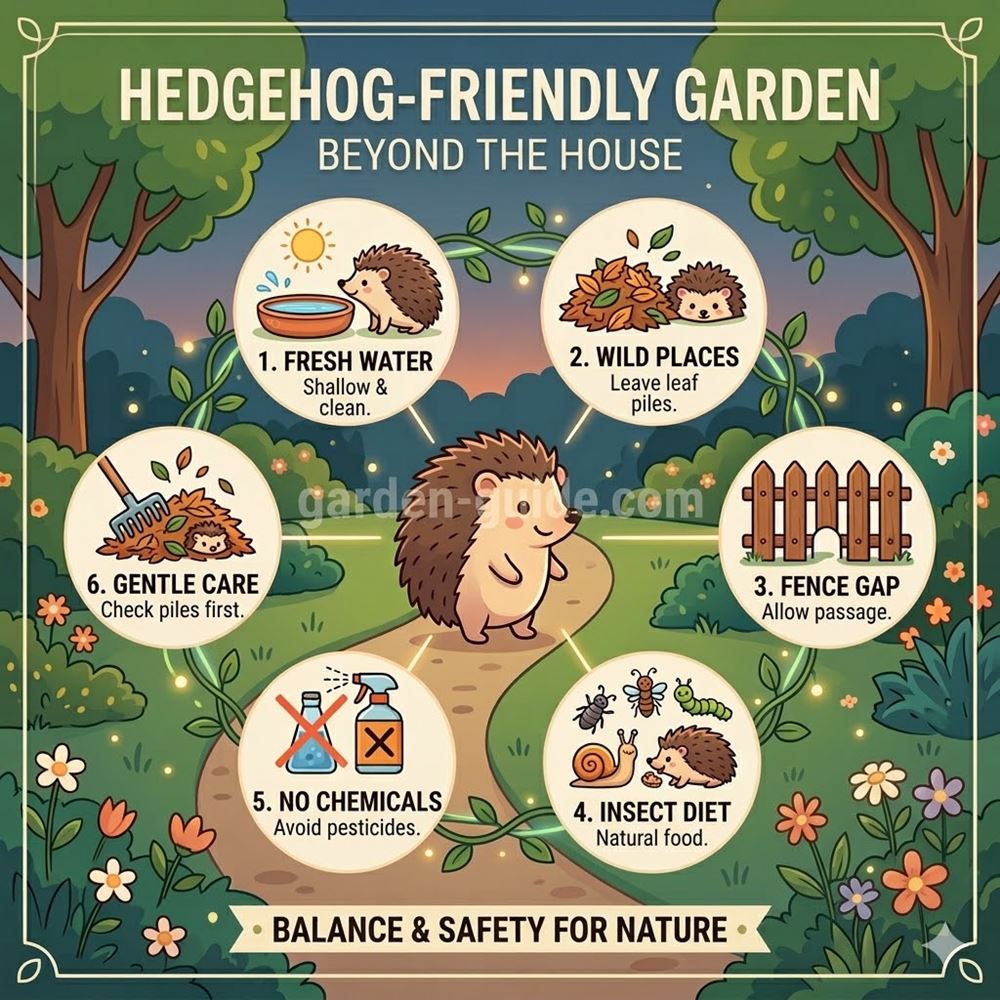
That is the thing about hedgehogs: they do not move into a garden because it looks cute on social media. They stay where the conditions are right.
A hedgehog-friendly garden is more than a hedgehog house
People often imagine that making a garden hedgehog-friendly means buying a neat little wooden shelter and placing it somewhere near a flower bed. That can help, yes, but it is only a small part of the picture. A hedgehog needs water, cover, food, safe routes, and above all a garden that is not managed like an outdoor operating theatre.
If every corner is stripped bare, every insect is treated as a criminal, and every fallen leaf is removed on sight, the garden may look tidy to us, but to a hedgehog it can feel like a polished desert.
1. Provide shallow water
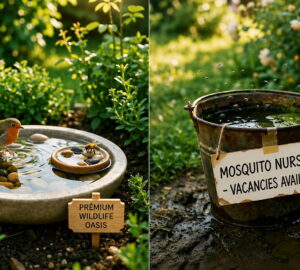
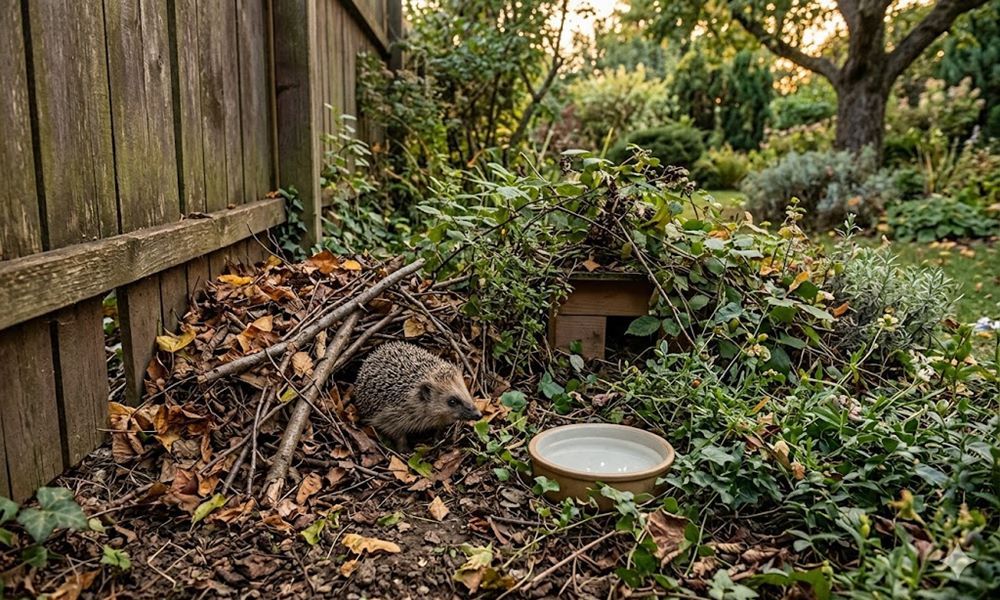
One of the simplest things you can do is leave out a shallow dish of fresh water. It matters in hot weather, of course, but also during dry spells in spring and autumn. Keep it low, stable, easy to reach, and refill it regularly.
A hedgehog does not need a decorative pond with artisanal pebbles. It needs clean, accessible water. This is one of those rare gardening tasks where doing less design and more common sense is exactly right.
2. Leave natural cover in place
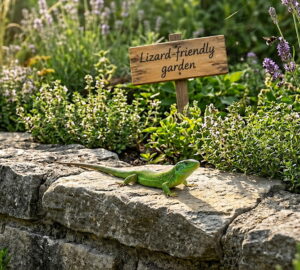
Leaf piles, twigs, loose branches, stones, the base of shrubs, and slightly wilder corners all offer shelter. What many gardeners call mess, wildlife often calls survival. These places help hedgehogs hide during the day, avoid stress, and move through the garden with more confidence.
So that huge seasonal clean-up? It may be satisfying, but it can also remove the very features that make a garden usable for small animals. You do not need chaos. You just need a few areas where nature gets a bit more say.
3. Shelter helps, but placement matters
A hedgehog house can be useful if it is placed in a quiet, shaded, protected area. The key is not how charming it looks to humans, but whether it feels safe to a wild animal.
Put it in the middle of an exposed lawn, next to constant disturbance, bright night lighting, or chemical use, and it becomes more of a decorative statement than a real refuge. Hedgehogs are practical. They are not choosing based on curb appeal.
4. Create a fence gap for movement
Hedgehogs roam. They do not treat one garden as a sealed kingdom. They move across neighbourhoods looking for food, water, nesting spots, and safer routes. A small hole or gap at the base of a fence can make a huge difference.
A fully sealed boundary may feel secure from a human point of view, but for a hedgehog it can turn a garden into a dead end. Sometimes wildlife-friendly design is not about adding something. It is about leaving one small opening.
5. Let the garden support natural food sources
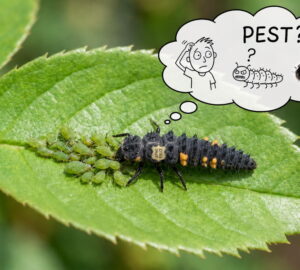
Hedgehogs feed on insects, larvae, caterpillars, worms, slugs, and other small invertebrates. In other words, some of the creatures gardeners complain about are also part of the hedgehog menu.
A living garden supports a living food web. If every crawling thing is removed or poisoned, hedgehogs lose both food and reason to visit. A healthy garden is not sterile. It is balanced.
6. Reduce or avoid harmful chemicals
Slug pellets, insecticides, and other garden chemicals can harm hedgehogs directly or indirectly. They may reduce available prey, contaminate what the hedgehog eats, or affect the broader ecology of the garden.
This is why a hedgehog-friendly approach overlaps so strongly with wildlife-friendly gardening in general. Fewer chemicals usually means healthier soil life, more insects, more resilience, and better conditions for far more than just one charming species.
7. Garden carefully around leaf piles and dense cover
Before trimming, clearing, or moving piles of leaves and branches, check them. Hedgehogs can rest in surprisingly hidden spots, especially during the day.
Once you have had the experience of seeing a perfectly innocent leaf heap suddenly breathe, you never forget it. Since then, I inspect those corners with the solemn caution of an archaeologist opening an important tomb.
8. Plant structure creates safety
Shrubs, hedges, layered planting, and semi-wild edges give hedgehogs safer movement routes. They prefer cover and do not enjoy crossing wide, exposed spaces. A garden with structure feels far more secure than one made entirely of clipped lawn and open ground.
As a side effect, this kind of planting often makes the garden look better too: richer, softer, more natural, and more alive.
The goal is not perfection but tolerance
The best hedgehog-friendly gardens are not perfect. They are simply less controlling. They leave room for shelter, for movement, for a little untidiness, and for life that does not exist purely for human convenience. That may be the real lesson here. A hedgehog does not ask for luxury. It asks for a garden where not everything has been over-managed into silence.
And when hedgehogs appear, they usually tell you something encouraging: the garden is still functioning as more than decoration. It is still part of a living world. That is a pretty good compliment for any garden.