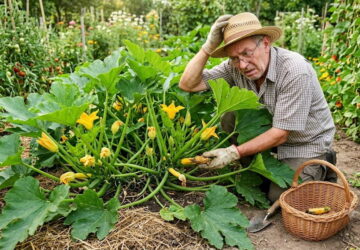


By mid-October, a garden begins to change its voice. The loud abundance of summer has softened into seed heads, damp paths, browning leaves, late apples and the small, practical decisions that decide how well a garden will enter winter.
October 14 opens three very different doors: one into a storybook forest, one into the invention that made ordinary landscapes easier to record, and one into the quiet world of standards that helps gardeners trust what they buy, plant and use. Together, they make this date feel less like a point on the calendar and more like a small map of how humans learn to notice, preserve and care for the living world.
October 14, 1926 – The Storybook Forest That Was a Real Landscape
On October 14, 1926, Winnie-the-Pooh was published, and one of literature’s most famous small worlds stepped into public life. The Hundred Acre Wood may feel timeless, but its roots were surprisingly precise: the stories drew on Ashdown Forest in East Sussex, with its open heath, birch, bracken, gorse, heather and clumps of pine on sandy ridges. What looks, on the page, like pure childhood imagination was also a careful act of landscape memory.
That is part of the quiet wonder of Pooh’s world. It does not treat nature as scenery in the background of a human adventure. The wood is the adventure. Paths, bridges, streams, hollow trees and weather all shape what can happen. A stick dropped into running water becomes a game. A tree is not simply a tree, but a place to climb, hide, wonder, listen or get thoroughly stuck.
For gardeners, this is more than nostalgia. A good garden, like a good children’s wood, invites repeated noticing. A child may remember the gap under a shrub, the moss on a wall, the smell of wet leaves or the place where insects gather long before they know the names of the species involved. Those early, bodily memories often become the beginning of ecological attention.
Ashdown Forest also reminds us that beloved “natural” places are rarely untouched places. Heathland is a living habitat shaped by grazing, cutting, fire history, soil poverty and human management. Left entirely alone, many open heaths gradually turn to scrub and woodland, and some of their specialist plants and insects disappear. The practical lesson is gentle but important: in a garden, wildness is not the same as neglect. A meadow strip, a bramble patch, a sunny bank for insects or a leaf pile for overwintering life may all need thoughtful limits as well as freedom.
Garden Science – Why Open, Poor Soil Can Be Rich in Life
Low-nutrient soil often supports plants that would be outcompeted in richer ground. This is why heathlands, dry meadows and some gravel gardens can be so botanically interesting.
When soil fertility is too high, fast-growing grasses and vigorous weeds often dominate. On leaner ground, slower plants can hold their place, and a more varied plant community may develop. Gardeners can borrow this principle by avoiding unnecessary feeding in meadow areas, gravel gardens and wildlife borders where diversity matters more than lush growth.
October 14, 1884 – George Eastman and the Garden That Could Be Kept on Film
On October 14, 1884, George Eastman received a U.S. patent for a paper-strip photographic film. It was not yet the transparent roll film that later transformed photography, but it belonged to the same great shift: photography was moving away from heavy plates, specialist equipment and awkward processes toward something more portable.
That change altered how people recorded gardens and landscapes. A border in bloom, a newly planted orchard, a family allotment, a city park, a specimen tree or a storm-damaged glasshouse could be captured before it changed again. Gardens are famously temporary: flowers open and collapse, pruning changes shape, vegetables bolt, frost redraws a bed overnight. Portable photography made it easier to keep evidence of those fleeting stages.
Today’s gardener carries a camera more casually than Eastman could have imagined. Used well, it is not only for beauty. Photographs can help track first frost dates, compare pruning results, remember where bulbs were planted, identify pest patterns, record pollinator visits or follow how a new planting fills in over several seasons. The best garden photographs are often not the most perfect ones, but the ones that answer a future question.
Garden Reminder – What Should You Photograph in the Garden in Mid-October?
A few quick photos now can save real confusion next spring.
- Photograph beds before cutting back, especially where bulbs will be planted later.
- Record which perennials still have strong seed heads, colour or structure.
- Take close-ups of pest or disease symptoms before removing affected leaves.
- Photograph container groupings so successful combinations can be repeated.
- Capture bare patches, soggy corners and wind-exposed areas while they are easy to see.
A garden diary does not need to be elegant. A dated photo of a border on an ordinary October afternoon can become one of the most useful planning tools you have.
October 14 – World Standards Day and the Invisible Order Behind the Garden Gate
October 14 is also World Standards Day, chosen because delegates from 25 countries gathered in London on this date in 1946 to discuss international standardization. It may sound far from the romance of gardens, but standards are among the quietest forms of trust in everyday horticulture.
Think of the small promises gardeners rely on: seed packet information, compost labelling, tool safety, irrigation fittings, plant health controls, organic certification, environmental claims, pot sizes, protective equipment and even the way products report their impacts. None of these things is poetic in itself. Yet without shared rules, a gardener would spend far more time guessing what a product is, whether it fits, whether it is safe, and whether its claims mean anything at all.
The more sustainable gardening becomes, the more this matters. Words such as biodegradable, peat-free, organic, recycled, water-saving or low-impact are useful only when they are supported by clear definitions and honest measurement. October 14 is a good day to notice that careful gardening is not only done with hands in soil. It is also done through better information, clearer labels and a willingness to ask what sits behind a claim before bringing it into the garden.
Wildlife Note – What Does a Tidier Label Mean for Wildlife?
Wildlife-friendly gardening often begins with small buying decisions. Choosing peat-free compost helps reduce pressure on peatland habitats. Avoiding unnecessary pesticides protects insects that birds, amphibians and other animals depend on. Selecting locally suitable plants reduces stress, water demand and replacement planting.
In mid-October, wildlife also benefits from selective restraint. Leave some hollow stems, seed heads and leaf litter where they do not cause problems. Many insects overwinter in dry stems, under bark, among leaves or in undisturbed soil, and a garden that is too clean can become a harder place to survive winter.
What to Observe Right Now – Mid-October Clues in the Garden
This is a rewarding week for slow looking rather than urgent doing.
- Watch which leaves colour first, and which shrubs hold green longest.
- Notice where dew stays late into the morning – these are cooler, damper pockets.
- Look for birds testing seed heads, berries and fallen fruit.
- Check which late flowers still attract bees or hoverflies on mild afternoons.
- Observe where leaves naturally collect, because those places often reveal wind patterns and useful mulching zones.
These observations are small, but they make winter planning more intelligent. The garden is already showing where it is warm, wet, exposed, sheltered, hungry or full of life.
Looking Ahead
October 14 brings together a fictional forest, a photographic invention and a day devoted to shared standards, but their value for gardeners is practical rather than abstract. They remind us to notice places closely, record change before it disappears, and ask better questions about the materials and promises we bring into our gardens. A more resilient garden begins with this kind of attention: part memory, part observation, part quiet responsibility. In the weeks ahead, every fallen leaf, labelled seed packet and damp corner of soil can become useful information if we are willing to look carefully.