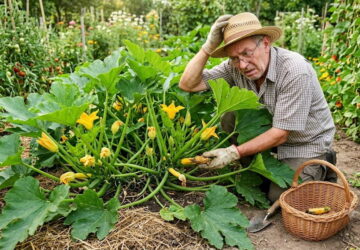


September 19 arrives at the hinge of the season. Across much of the Northern Hemisphere, mornings are cooler, shadows stretch farther across the lawn and the garden is quietly shifting its priorities from rapid growth to ripening, storage and survival.
It is also a date with an extraordinary relationship to land. An Alpine discovery opened a window onto Copper Age plants, a devastating earthquake exposed the buried geography beneath a modern capital, and the birth of a chocolate maker eventually helped put gardens at the heart of a new kind of neighbourhood.
September 19, 1991 – The Iceman Whose Plants Told His Story
On this day in 1991, hikers Erika and Helmut Simon noticed a body emerging from ice near Tisenjoch, high in the Ötztal Alps on the Italian–Austrian border. At first, it appeared to be the remains of a recently lost mountaineer. It was soon recognised as something far older – the naturally preserved body of a man who had lived more than 5,000 years ago, during Europe’s Copper Age.
Ötzi became famous for his copper axe and mysterious death, but plants supplied some of the most intimate evidence about his life. His equipment incorporated yew, ash, hazel, dogwood, viburnum, birch bark and plant fibres. His last meal included einkorn wheat alongside ibex and red deer, while pollen helped researchers reconstruct the environments through which he had travelled. A silent human story could be read through wood, grain and pollen.
For gardeners, the lesson is larger than any single species. Pollen marks a season, crop remains reveal cultivation, and the choice of wood reflects generations of practical knowledge. Ötzi’s belongings show a landscape used with precision – flexible stems for shafts, resilient timber for tools, bark for containers and grain for food. Biodiversity was not scenery; it was the material of daily life.
That idea can guide a garden today. Fruit trees, seed-bearing annuals, herbs, hedges and coppice shrubs can occupy different layers and meet different needs while creating habitat. This month, record which plants fed people, insects and birds, and which tolerated drought or produced useful seed – observations that can shape a more resilient garden next year.
Garden Science – What can pollen reveal?
Pollen grains have distinctive forms, and their resistant outer walls can survive after softer tissue disappears. They may reveal which plants grew nearby and help reconstruct places and seasons. In your garden, notice which late flowers are still visited, then protect or propagate the plants that bridge the seasonal food gap.
September 19, 1985 – The Earthquake That Revealed a Buried Lake
At 7:17 a.m. on September 19, 1985, a magnitude 8.0 earthquake struck off Mexico’s Pacific coast. Although the epicentre was hundreds of kilometres from Mexico City, parts of the capital suffered catastrophic damage. The reason lay partly beneath the streets: much of the city had been built over the soft sediments of ancient Lake Texcoco, and those water-rich deposits amplified the shaking. The disaster was therefore also a harsh lesson in how strongly a city remains connected to the landscape it covers.
The earthquake transformed civil protection in Mexico and became a symbol of community organisation. Its anniversary gained another painful resonance when a second destructive earthquake struck central Mexico on September 19, 2017. The warning is clear: geology, water and land-use history are not background details. Paving may hide an old wetland or unstable soil, but it cannot erase their behaviour.
Gardens cannot prevent earthquakes, yet open space can reduce heat, slow stormwater and give neighbours places to meet. At home, learn the site’s history, watch where water collects, and seek expert advice before loading terraces, retaining walls or unstable slopes with raised beds. Keep access routes clear, secure water butts and greenhouse shelving, and never use planting to conceal a widening crack.
Garden Reminder – A five-minute autumn safety check
- Stabilise tall pots, shelving and water-storage containers before windy weather.
- Check retaining walls after heavy rain for bulging, fresh cracks or displaced soil.
- Keep gates, steps and main paths free of hoses, tools and overhanging growth.
- Know where water, gas and electricity services run before digging or planting a tree.
September 19, 1839 – George Cadbury and the Garden Beyond the Factory
George Cadbury was born in Birmingham, England, on September 19, 1839. He and his brother Richard expanded the family cocoa business, but their most enduring influence on landscape may lie beyond the factory walls. When production moved to Bournville in 1879, the brothers placed industry in a less congested setting. In 1893 they bought additional land and began planning a model village intended to offer an alternative to cramped urban housing.
Bournville developed with spacious homes, gardens, parks, recreation grounds and community facilities. It later influenced Britain’s garden-city movement and advanced a principle that feels urgent today: greenery is part of healthy daily life, not a decorative luxury. Planting, daylight and usable outdoor space had become part of the debate about what a humane town should provide.
There is another landscape behind the familiar name. Cocoa comes from Theobroma cacao, a small tropical tree native to the Americas and now widely grown elsewhere. Beneath a diverse canopy, well-designed agroforestry may provide habitat, protect soil and give growers other crops, although results depend on local conditions. The transferable idea is layered planting: combine trees, shrubs, climbers and ground-level plants so that space and light are shared.
Garden Inspiration – Build a small edible layer
In a temperate garden, a dwarf fruit tree can shelter currants or gooseberries, with strawberries, herbs or spring bulbs below. Match plants to the available light and moisture, leave enough air movement to limit disease, and do not force sun-loving crops into deep shade.
What to Observe Right Now – Signs the Garden Has Read the Calendar
Near the September equinox, day and night approach equal length, but plants respond to changing night length, temperature, moisture and their own stage of development. Look this week for:
- buds already forming on woody plants for next year’s growth;
- berries softening and changing colour as their seeds mature;
- spiders’ webs made visible by cool morning dew;
- late bees and hoverflies concentrating on ivy, asters and other pollen-rich flowers;
- the first leaves losing green as chlorophyll production slows and other pigments become visible.
Avoid interpreting every yellow leaf as a feeding problem. If older leaves are changing gradually as nights cool, the plant may simply be entering seasonal senescence. Sudden yellowing across the whole plant, blackened tissue, wilting or waterlogged soil deserves a closer look.
Wildlife Note – How can a garden help autumn migrants?
Migration turns gardens into stepping stones. Birds need safe cover, clean water and naturally available food. Leave berry-bearing shrubs and seed heads standing, keep cats indoors around dawn and dusk, and clean bird baths regularly. Native shrubs and climbers can offer far more shelter than an exposed fence.
Seasonal Tips – What should gardeners do in mid-September?
- Plant spring-flowering bulbs suited to your climate, but delay tulips where warm soil and tulip fire are concerns.
- Divide established spring- and early-summer-flowering perennials while soil is moist and roots still have time to settle.
- Sow hardy leafy crops or green manures where the first hard frost is still several weeks away.
- Collect only ripe, healthy seed on a dry day, label it immediately and dry it thoroughly before storage.
- Leave some hollow stems, seed heads and leaf litter in quiet corners as winter habitat.
Adjust all timing to local conditions. In warm regions, September may begin a productive cool-growing season; in cold or high-altitude gardens, frost protection and harvest may already be the priority.
Looking Ahead
September 19 reminds us that land keeps a longer memory than any gardener. Pollen can preserve a journey, lake sediments can shape a city’s fate, and a neighbourhood planned around open space can influence generations of urban design. The practical response is modest but meaningful – learn what lies beneath your plot, grow more than one layer of useful plants, and leave food and shelter for the lives moving through it. A resilient garden begins with attention, and autumn is one of the best seasons in which to practise it.