

January 19 holds a rare place in the calendar: a winter day when attention turns not to land or sky, but to water. Across much of Eastern and Southeastern Europe, parts of the Middle East, and Orthodox communities worldwide, this date marks Theophany (Epiphany according to the Julian calendar) — a day centered on the blessing of natural waters.
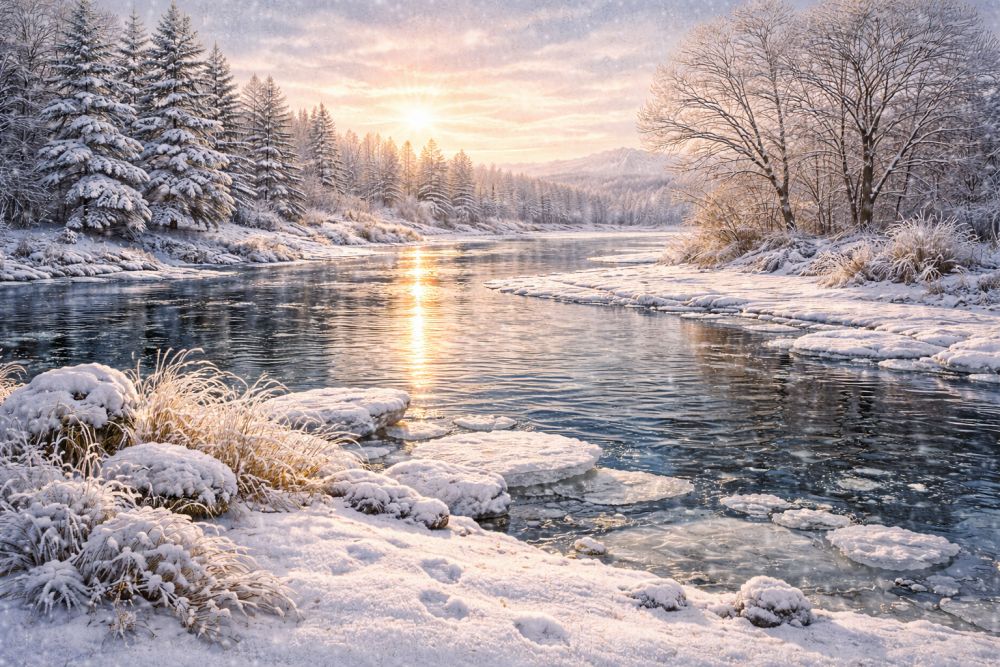
Rivers, lakes, springs, and even the sea become focal points. In the depth of winter, when water is often locked under ice, people step onto frozen surfaces, cut openings, and interact directly with the element that sustains all growth.
When Water Is Treated as Alive
The central ritual of January 19 is the blessing of waters. Clergy lower a cross into rivers or lakes, prayers are spoken, and the water is believed to be renewed — cleansed and strengthened.
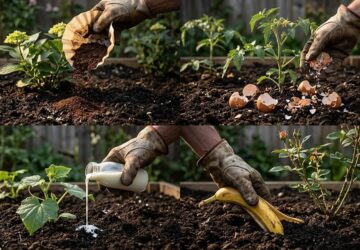
In many regions, people collect this water to keep through the year. It is used sparingly: for illness, for animals, for fields, and sometimes sprinkled on gardens and orchards once winter loosens its grip.
This practice reflects a worldview in which water is not inert. It is active, responsive, and capable of carrying change — an idea shared by many pre-modern cultures.
Ice, Courage, and the Human Trace
In colder climates, January 19 often involves ice. Holes are cut into frozen rivers, and participants immerse themselves briefly, sometimes three times, in the name of faith.
From a distance, this appears as an act of devotion or endurance. From a landscape perspective, it is also one of the few moments in mid-winter when humans leave a direct, visible mark on frozen water.
Footprints form on ice. Steam rises where bodies meet cold air. For a short time, winter is not just observed — it is entered.
Water Beneath the Garden
For gardeners and farmers, the meaning of January 19 extends below the surface. Snow, ice, and frozen rivers are part of the water budget of the coming growing season.
A winter with steady snow cover replenishes soil moisture slowly and evenly. Frozen rivers regulate groundwater recharge. Even ice contributes, storing water that will later move into soil profiles and root zones.
Traditional societies understood this connection intuitively. Blessed water was not just spiritual — it symbolized the hope of balanced moisture, gentle thaw, and fertile ground.
A Global Echo
While Theophany is rooted in Orthodox Christianity, the idea of mid-winter water reverence appears elsewhere. In parts of Asia, winter water is associated with purification and balance. In Indigenous traditions of northern regions, open water in winter is treated with caution and respect, often surrounded by rules and rituals.
January 19 stands out as a reminder that water, even in its frozen state, remains central to life.
Why January 19 Still Matters
In modern life, water flows invisibly through pipes, and winter often feels disconnected from the growing season. January 19 disrupts that illusion.
It brings attention back to rivers, lakes, snowpack, and ice — and to the fact that every garden year begins long before the first seed is sown.
On this day, water is not background. It is honored, entered, and remembered.
That is why January 19 earns its place in The Garden Almanac — as the day winter meets water, and humans briefly step into both.