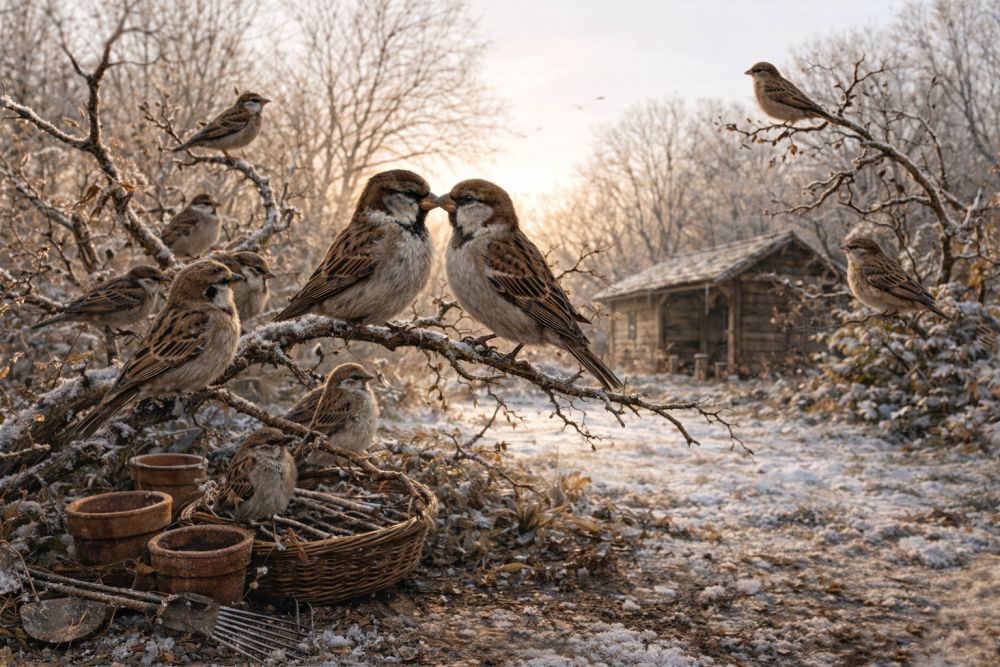

Long before Valentine’s Day became associated with romance between people, rural communities observed February 14 as a turning point in the natural year. In parts of Central Europe, it was believed that this was the day when birds “held their wedding” — sparrows pairing, calls returning to the hedgerows, subtle signs of spring awakening.
Weather Signs and Crop Hopes
A cold but dry February 14 was considered a favorable omen for crops. Dry frost suggested a well-rested soil and a stable seasonal transition. Rain, however, was viewed with caution. Excess moisture at this stage was thought to favor only certain crops while weakening others.
Strong winds were also interpreted symbolically. In some regions, wind on this day was linked to poor egg production later in the year — a reminder of how closely weather, livestock, and food supply were connected in agrarian life.
The Birds as Seasonal Messengers
The idea of a “sparrow wedding” reflects more than folklore. Mid-February often marks increased bird activity as daylight lengthens. Courtship behaviors begin subtly. Calls become more frequent. Even if snow remains, the biological clock has shifted.
Lark calls were interpreted differently in some traditions: if the lark’s song seemed hesitant or brief, colder weather was expected to follow. Observation, not superstition, lay at the heart of these beliefs. Generations of farmers learned to read patterns in wildlife behavior.
Orchard and Farmyard Work
February 14 was also seen as an auspicious day for certain tasks:
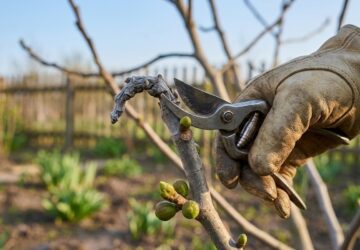
– Beginning pruning in orchards
– Planting young fruit trees
– Setting broody hens
– Planning livestock breeding
The logic was simple: fertility begets fertility. A day associated with pairing and renewal symbolically strengthened agricultural beginnings.
A Modern Perspective
Today, we may not speak of bird weddings, yet the underlying truth remains. Increasing daylight alters hormones in birds and plants alike. Buds prepare. Soil microorganisms respond to temperature shifts. Seasonal momentum gathers.
February 14 stands as a reminder that renewal often begins quietly — first in birdsong, then in sap flow, and finally in visible green growth.