

Almost every gardening season begins with the same quiet promise: this year, I won’t rush. Then comes the first sunny weekend, the scent of warming soil, the inviting stillness of the garden — and somehow, the plan slips through our fingers.
This isn’t weakness. It’s a deeply human response. In spring, the garden speaks directly to the senses most capable of overruling reason.
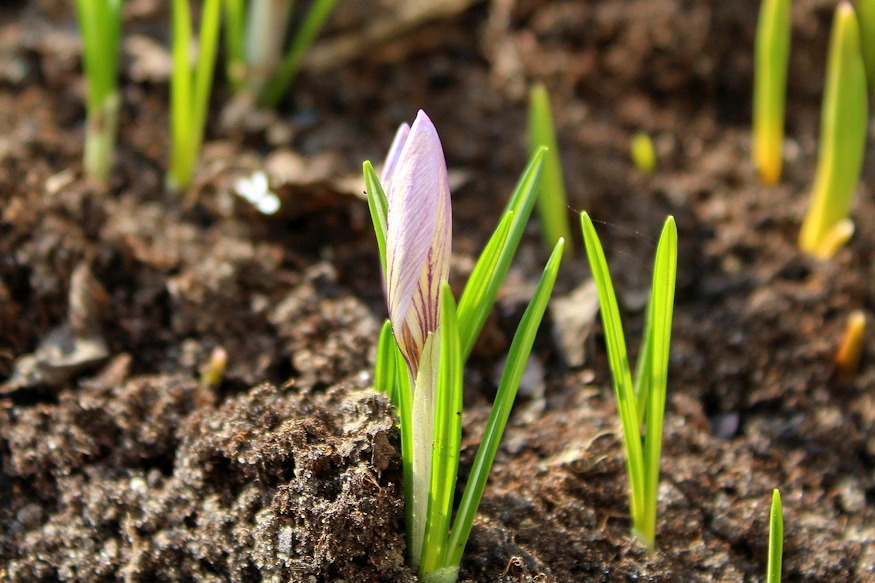
Spring as Collective Optimism
After a long winter, the garden doesn’t just promise plants — it promises a fresh start. We tell ourselves that everything can be done better this time: more thoughtfully, more calmly, more deliberately.
Optimism itself isn’t the problem. Trouble begins when we assume that weather, soil, and timing will adapt as quickly as our enthusiasm does.
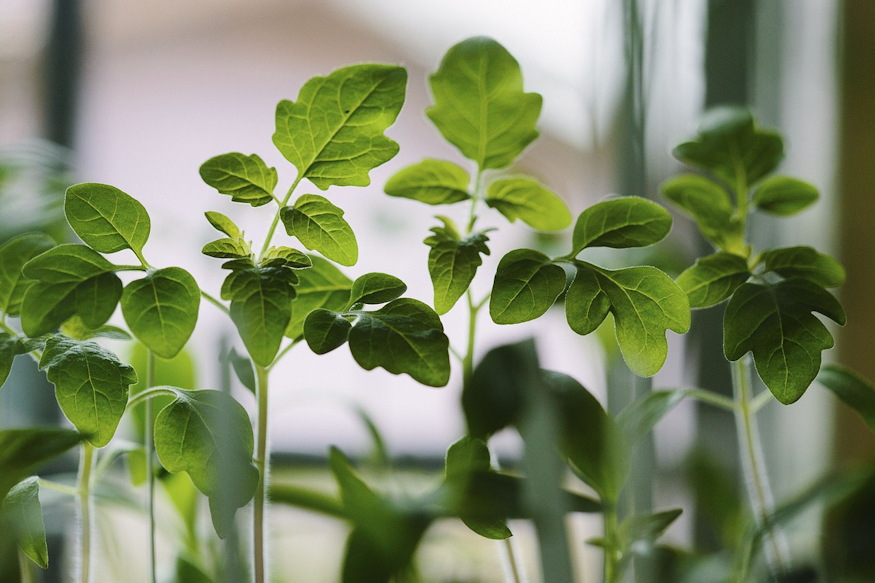
The Selective Memory of Gardeners
Spring has a way of editing our memories. We rarely recall exactly why something failed last year. Setbacks fade, while successes grow shinier with time.
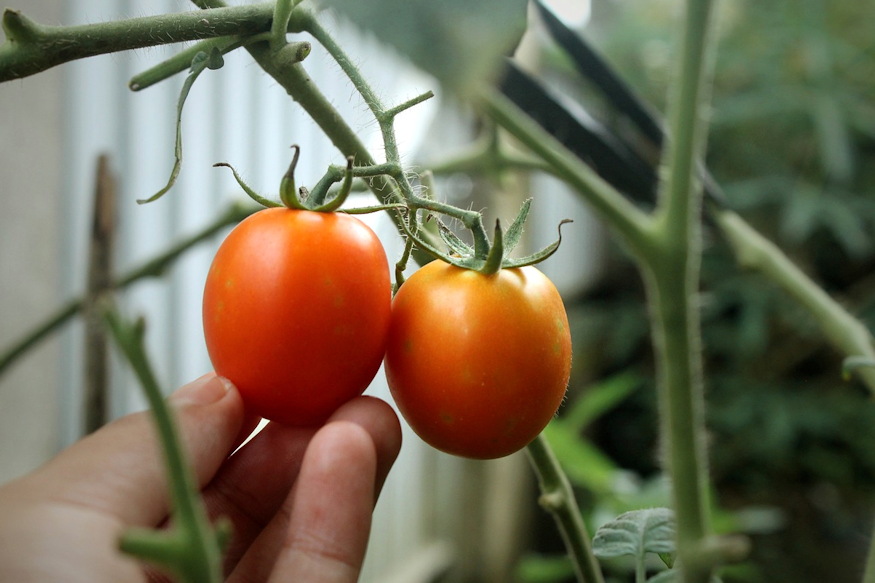
We remember the taste of the first tomato with perfect clarity, but not the evenings spent worrying over it. And so, year after year, we give the same decisions another chance, convinced that this time the outcome will be different.
The Garden as a Sense of Control
In the garden, we finally feel that something is within our control. We plant, water, adjust — and receive immediate feedback.
That feedback can make it tempting to believe that careful attention alone can shape every outcome. Nature, however, rarely agrees.
Why Do We Keep Repeating the Cycle?
Because the garden offers more than results. It offers hope. And while hope is not always a reliable guide, it is a powerful motivator.
The thought of this year is not a failure. It is proof that we still believe improvement is possible — that growth, balance, and harmony are worth striving for.

When Does Optimism Become a Problem?
When we stop learning from experience. When we repeat the same actions with the same expectations, and are surprised by the same results.
The garden does not judge. It simply responds.

What Remains When We Strip Away Self‑Deception?
What remains is learning — gradual, subtle, built from small recognitions rather than dramatic lessons.
The garden does not ask us to be perfect. It asks us to pay attention. And if we do, there is room even for saying again next spring: all right — this year, I really will do it differently.