
The first time gardeners hear about food forests, everything sounds wonderfully simple. Trees, shrubs, groundcover, minimal work, abundant harvests. Nature does the hard part. We just collect the rewards.
This is exactly where it’s worth slowing down.
A forest garden is not a myth, not a marketing trick, and certainly not a shortcut. It is a long-term ecological strategy—and it only works when its limits are understood.
What a Food Forest Really Is
A food forest mimics the structure of a natural woodland, replacing wild species with edible ones.
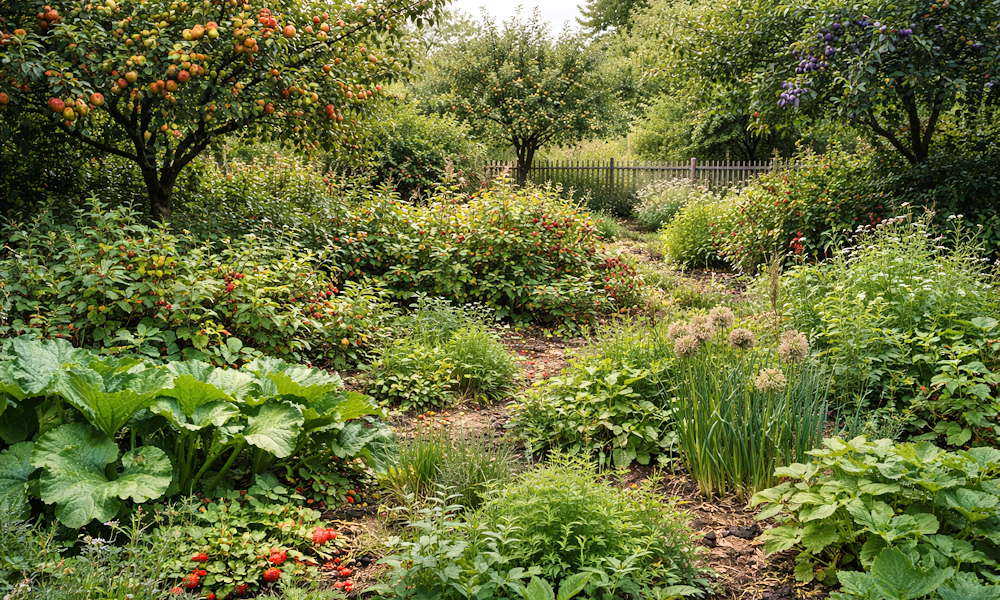
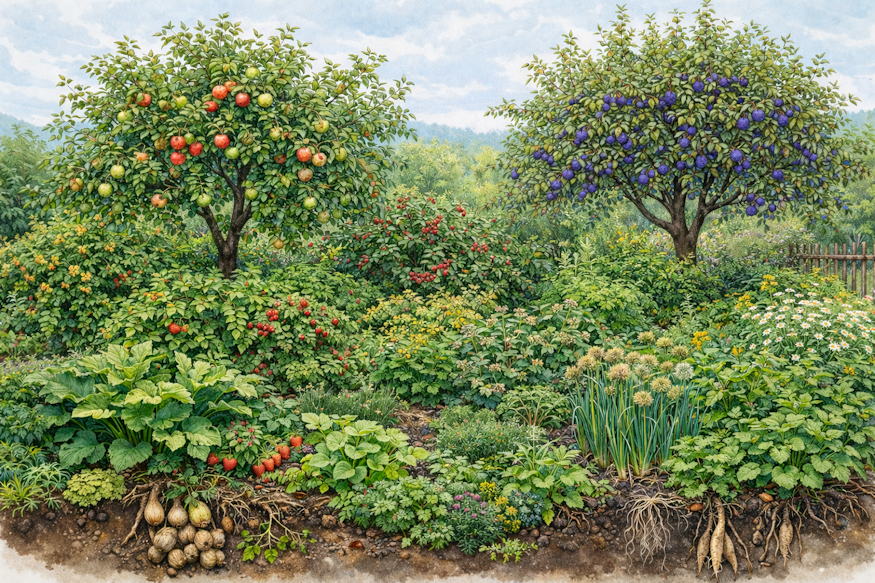
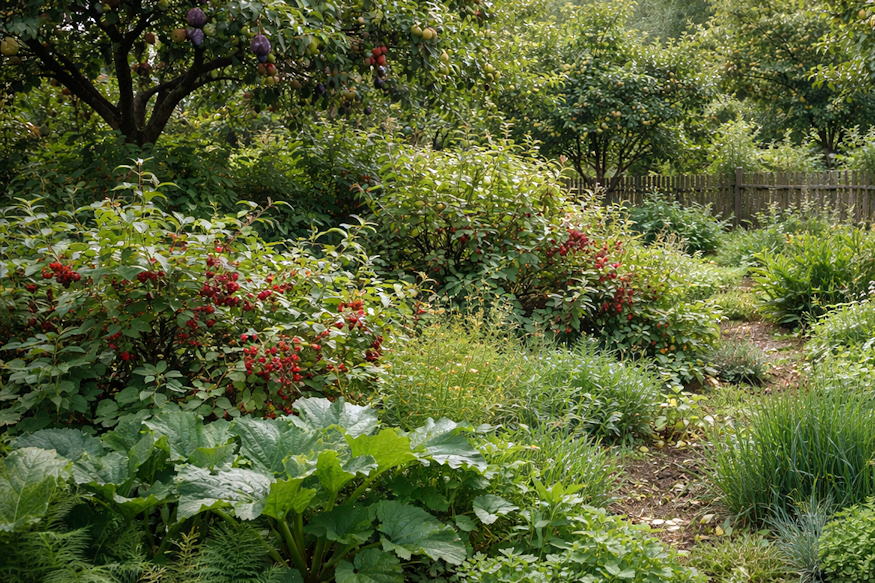
Instead of rows, it relies on layers: canopy trees, understory trees, shrubs, herbaceous plants, groundcovers, and root crops. Each layer plays a role, and together they form a resilient system.
The goal is not maximum yield from each plant, but stability and productivity at the system level.
Why Gardeners Are Drawn to It
Because it offers an alternative to constant control. Less digging. Fewer inputs. A garden that feels alive rather than managed.
And to a degree, this promise is real.
What’s Often Left Unsaid
Forest gardens are slow.
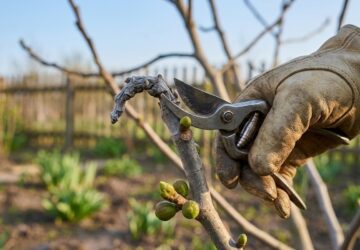
They take years to establish and require intense attention in the early stages. Planting, observing, pruning, correcting imbalances—patience is non-negotiable.
They also depend heavily on site conditions. Soil, light, rainfall, and space all matter. What works on a large, sunny plot may struggle in a small backyard.
A Forest Garden Is Not Neglect
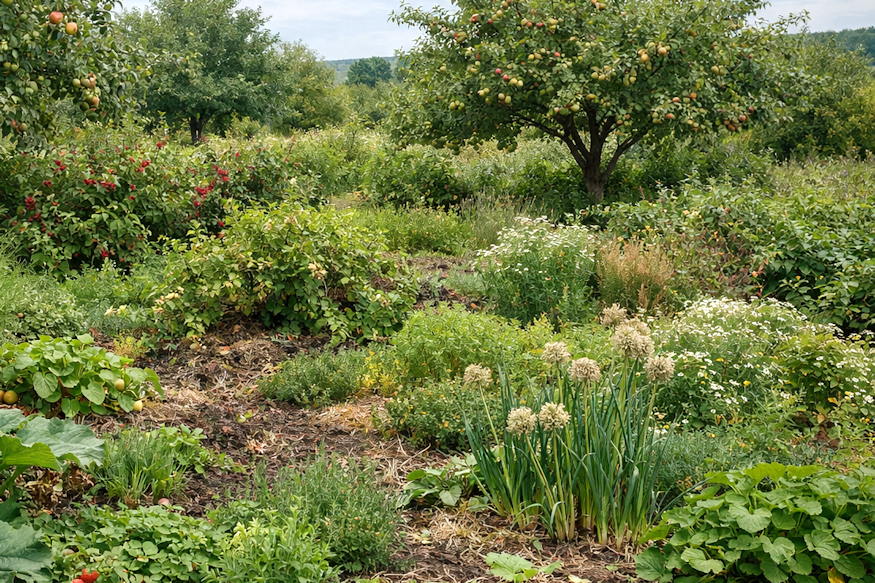
One common misconception is that forest gardens are self-managing.
They are not. They require guidance, especially as plants mature and compete for resources. Without intervention, dominance and decline quickly replace balance.
What Can You Actually Grow and Harvest in a Food Forest?
This is where the food forest becomes tangible.
A well-designed food forest produces across multiple layers at once, often at different times of the year rather than in a single harvest window.
At the upper level, fruit trees form the backbone: apples, pears, plums, cherries, or peaches, usually managed at moderate size rather than full orchard scale.
Beneath them, berry shrubs thrive in partial shade—currants, gooseberries, jostaberries, and raspberries are common choices.
The herbaceous layer often includes perennial vegetables and herbs such as rhubarb, sorrel, chives, garlic, horseradish, asparagus, and perennial onions. These return year after year with minimal replanting.
Groundcover plants play a key role as well. Strawberries, lemon balm, thyme, mint, and sweet woodruff help protect the soil while providing edible leaves or fruit.
Even below ground, yields are possible. Jerusalem artichokes, parsnips, skirret, or daikon radish can fit well into looser food forest soils.
Harvest in a food forest is rarely a single event. Instead, it unfolds gradually from spring through autumn, offering smaller but more frequent rewards.
Who Is a Food Forest For?
Food forests suit gardeners who think long-term, enjoy observation, accept variability, and are comfortable with a certain level of visual chaos.
Those seeking fast results, predictable yields, and full control may find the system frustrating rather than freeing.
The Real Lesson of the Food Forest
A garden is not a machine. It responds rather than obeys.
Understanding this transforms the forest garden from a productivity strategy into a mindset—one that values resilience, patience, and relationships.
A Final Thought
Forest gardens are not for everyone.
But they remind all gardeners of something essential: in living systems, time and balance matter more than speed and order.