


There are many convincing arguments in favor of the cultivation of fragrant herbs and spices.
They are easy to grow and very showy. It is also worth planting in the orchard, because it attracts beneficial bees with preference.
We can install them to suppress weeds, as ground cover around shrubs, plant them in mixed beds, or create an independent herb garden. Wherever we plant them, they enrich the garden with their flower splendor and fragrance.
Scented pillow, herbal tea from one, cosmetics, etc. from the other. we can produce.
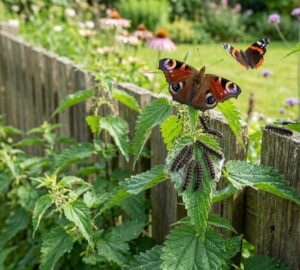
The black nightlight e.g. it is a particularly useful plant, due to its fast growth it provides a large mass of mulch material, which can be used to make manure juice. More recently, nettle leaves have also been used to combat fungal diseases. But there are many other herbs and spices that are very beneficial for their aesthetic or medicinal properties.
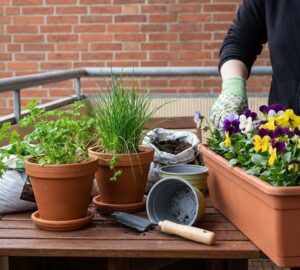
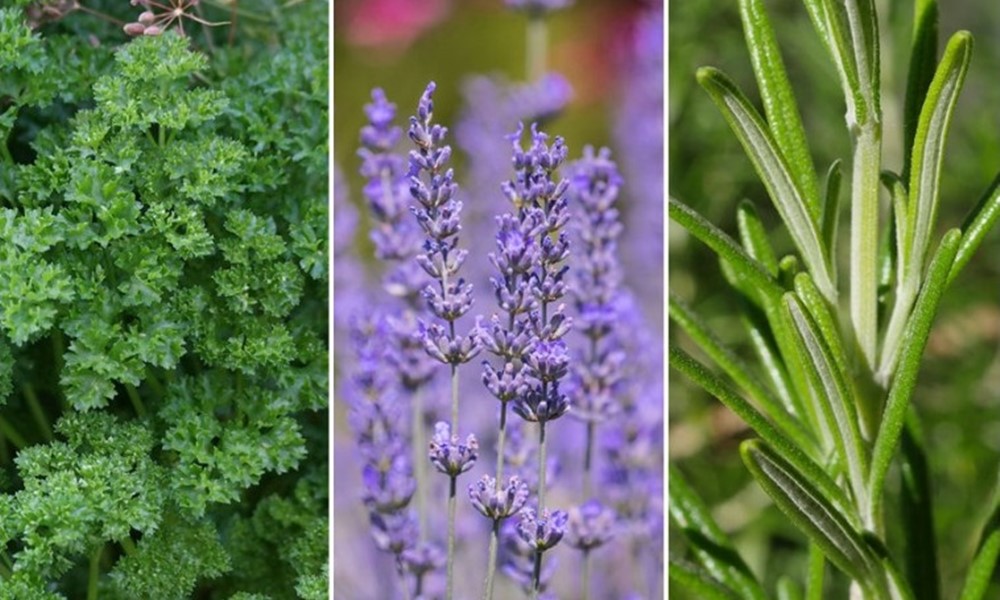
Before selecting and planting the plants, it is worth planning their location. In traditional spice gardens, the individual plants were planted in regularly arranged rectangles surrounded by low hedges, boxwood or fragrant lavender. But they can also find a place in decorative beds, they also made up the majority of old peasant or rustic gardens.
In recent years, the herb spiral, which is carried out in spiral gardens, has become popular. But we can also plant in many other forms, we can place decorative garden elements between them. A pleasant sight, e.g. the herb hedge.
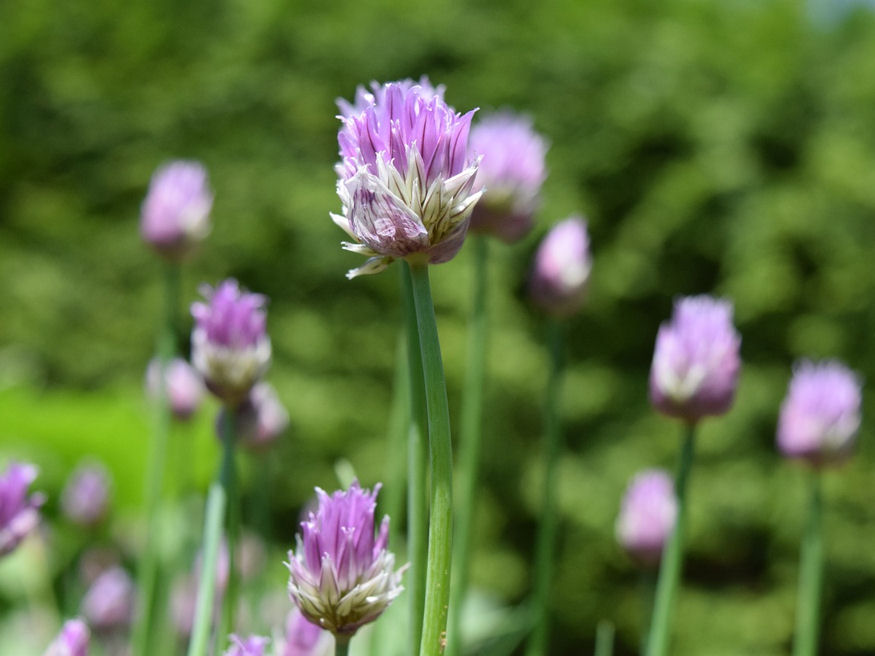
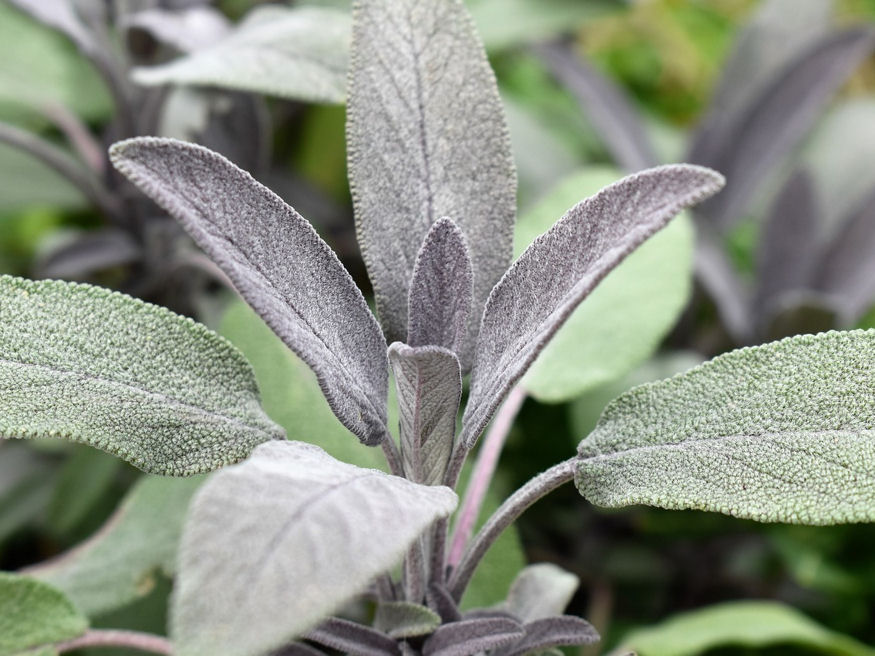
Thyme or sage are excellent ground cover plants. Their colorful spots suppress weeds and attract beneficial insects. Cultivated forms of certain herbs should also be planted in an ornamental garden. There is e.g. ornamental onion with large flowers and showy leaves. Lemon grass with golden yellow or variegated leaves, hops, which are just as useful and medicinal as their more monotonous wild form.
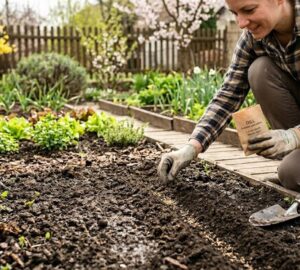
If you want to plant a traditional herb and spice garden, consider building paths and walkways for easy access. This is very important, because herbs need to be taken more regularly than other types of plants. Since most of them come from the Mediterranean regions, they mostly grow in sunny and warm places. The few that grow in the shade should be planted in brighter places.
Light, well-drained soil is ideal for herbs and spices, but they can also tolerate heavier soil after proper preparation. To do this, dig up the area thoroughly, then mix in matured manure, compost or organic matter.
Most herbs and spices cannot tolerate poor drainage or stagnant water. If the soil in the garden is wet, make a raised plant bed. 1-2 weeks before installation, sprinkle bone, blood, horn flour on the surface.
The soil should be weed-free, because weeds arising from small shoots would quickly spread among the herbs. In this case, there is nothing left but to lift the plants out of the ground and clean them thoroughly. For a special spice garden, the soil must be prepared a year in advance. To do this, the area should be thoroughly cleaned, dug up, the weeds carefully removed and the whole area covered with black foil. Secure the edges of the foil with the ground so that the wind does not blow it away. Let the whole thing stay like this for a year.
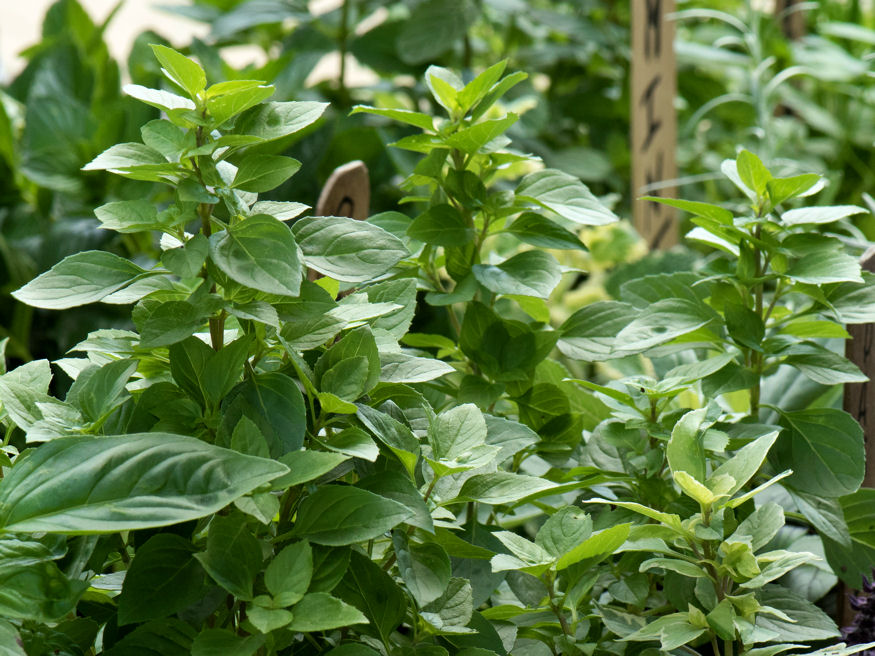
Before sowing and planting, consider the extent, height, growth and light requirements of each plant. On Lesty, e.g. it grows huge, so it can only be placed at the back of the bed. Borage likes sunlight, mint also thrives in partial shade. Both spread quickly.
Covering with compost or mature manure is sufficient to maintain fertility. In January-February, apply a layer of mulch over the entire area. In dry weather, thorough watering may be necessary, so that the water seeps into the deeper layer as well. In the beginning, weed by hand, later the growth of the plants will suppress the weeds. Some herbs, e.g. cut back thyme or lavender after flowering to keep the bush compact. A complete cut back is beneficial for even growth.

With some herbs and spices, we have to be careful to remove their seedlings in time. Mint and borage cover everything if we don’t take care of them constantly.
Perennials can be propagated by root division by removing them from the soil. This work can usually be done in autumn or early spring. Shrub-like plants, such as rosemary and lavender can be propagated by green cuttings in early summer.