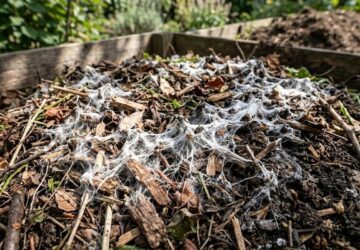
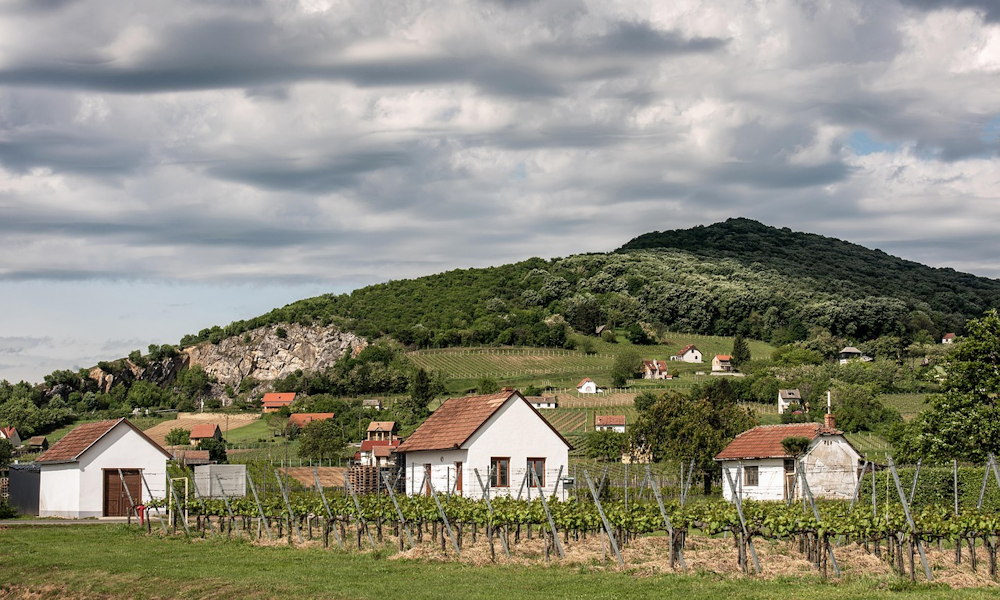

“If it rains on St Medard’s Day, it will rain for forty days.” Folk weather sayings like this may sound quaint, yet they persist across generations. They are not simple superstitions, but condensed records of long-term communal observation.
Experience Was the Only Forecast
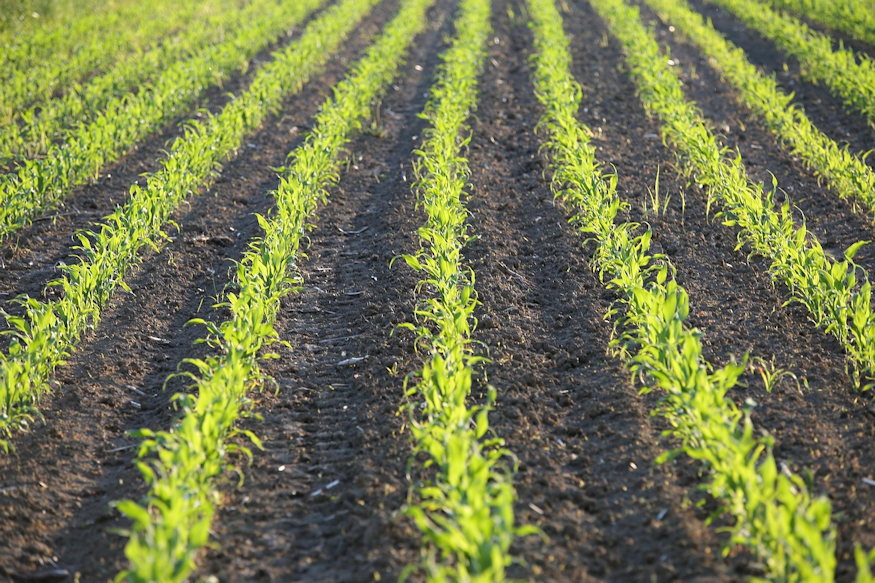
Before instruments and meteorological models, weather was not a curiosity but a matter of survival. Sowing, harvesting and livestock keeping depended on recognising patterns. Over generations, communities accumulated practical knowledge based on repeated observation.
Folk weather sayings are the compressed result of these long, informal data sets.
Why Saints’ Days and Fixed Dates?
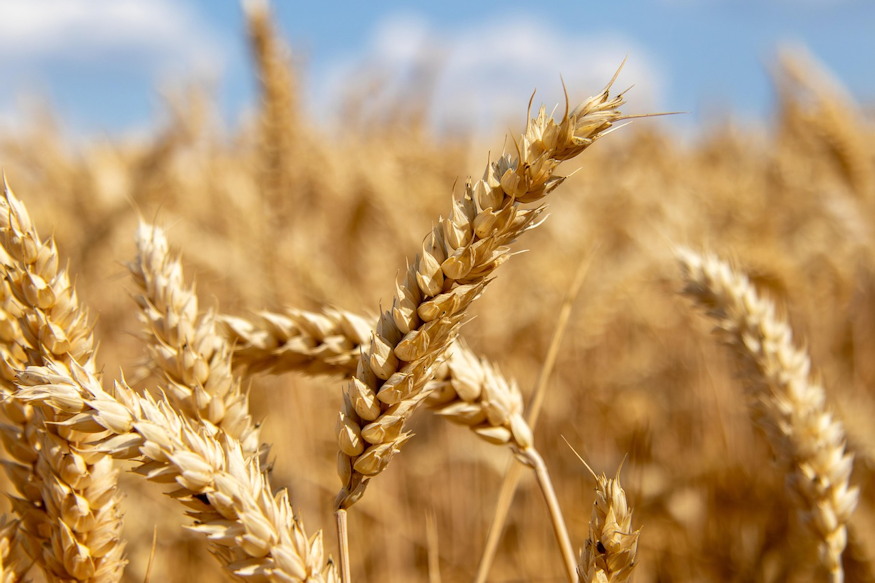
Time was once organised around feast days rather than abstract calendars. Agricultural life followed the church year, so weather observations became attached to memorable dates. These were not causal links, but mnemonic anchors.
What Was Actually Observed?
Folk forecasting relied on visible signs: cloud movement, wind direction, morning dew, animal behaviour and plant development. Many of these indicators genuinely correlate with short-term weather patterns.
The sayings simplify complex observations, but their foundations were often sound.
Why Did They Work Better in the Past?
Climatic stability played a key role. Seasonal patterns used to be more consistent, making recurrence more likely. Folk sayings were never absolute predictions, but probabilistic expectations shaped by experience.
What Happens Under Climate Change?
Climate change does not simply mean warmer temperatures, but greater variability. Seasons shift, extremes become more frequent and precipitation patterns grow erratic. In such conditions, old patterns lose reliability.
This is why folk sayings now seem inaccurate – not because they were meaningless, but because the climate context has changed.
Obsolete Knowledge or Living Heritage?
Folk weather lore is no longer a forecasting tool, but it remains a cultural and observational legacy. It teaches attentiveness rather than prediction.
Reinterpret, Don’t Discard
Folk weather observations still matter – not as forecasts, but as reminders of how closely people once watched their environment. In a changing climate, this sensitivity may be more relevant than ever.
This perspective is reflected in The Garden Almanac, a dedicated section that brings together traditional seasonal observations and places them in a modern, climate-aware context, focusing on patterns rather than predictions.