
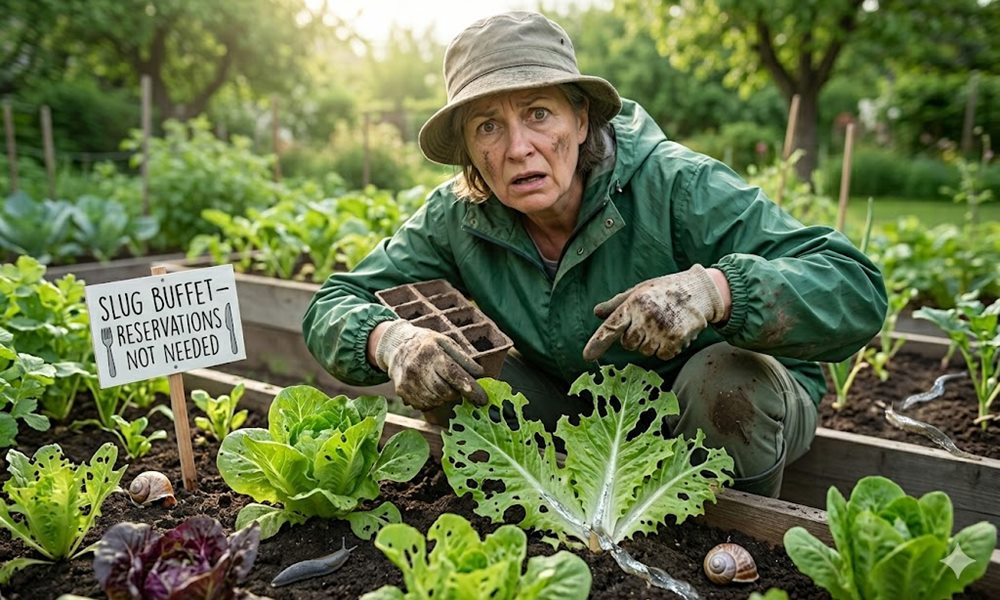

There is a very specific kind of spring heartbreak that only gardeners know. You step outside in the morning, coffee in hand, ready to admire your neat little patch of lettuce, and within seconds your mood shifts from quiet pride to deep personal betrayal. The leaves that looked fresh and perfect the night before now resemble the remains of an all-you-can-eat buffet. The guests, naturally, have vanished. All they leave behind is a shiny trail and a smug sense of timing.
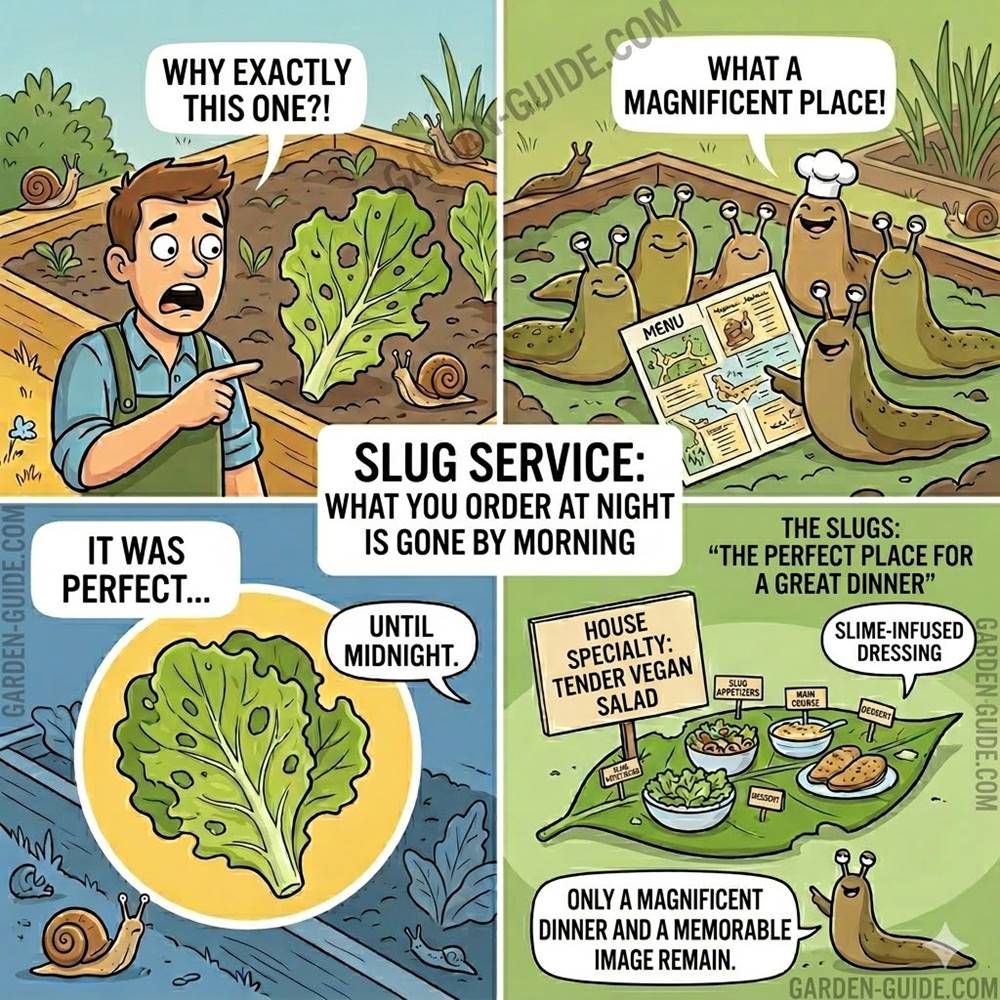
Slugs do not appear in spring just to test your patience, though it can feel suspiciously personal. They show up in force because the season suddenly offers everything they like best: damp soil, milder nights, tender new growth, dense foliage, and plenty of shady hiding places. In other words, just as the gardener feels the season is finally beginning, the slugs feel exactly the same. They simply celebrate in a far less charming way.
Why do they seem to explode in number in spring?
From a slug’s point of view, a spring garden is basically a luxury resort. The soil still holds plenty of moisture from late winter and early rain, nights are cool but no longer harsh, and all those fresh young leaves are softer and juicier than the tougher growth that comes later in summer.
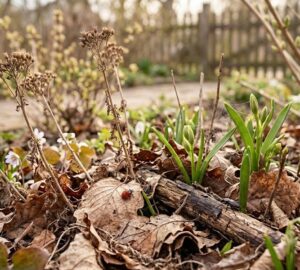
This becomes even more obvious after wet weather, or in gardens with thick mulch, piles of leaves, old boards, stacked pots, stones, and all the wonderfully untidy corners that make perfect daytime shelter. The slugs were not necessarily absent before. Spring just gives them much better catering.
Which plants do they go for first?
If slugs were writing a menu, lettuce would absolutely be near the top. But it would not be alone. Soft leafy vegetables, fresh seedlings, young basil, radish tops, marigolds, dahlia shoots, and newly emerging squash-family plants can all end up on the guest list.
The frustrating thing is that slugs rarely target what you care least about. They tend to favour the very crops and ornamentals that make a gardener happiest in early spring: the fresh, promising, tender ones that feel like proof the season is working.
First, look at the garden, not just the slug
When gardeners spot slug damage, the instinct is often to go looking for an immediate weapon. But one of the most effective parts of slug control has less to do with attacking the slug and more to do with changing the environment that suits it so well.
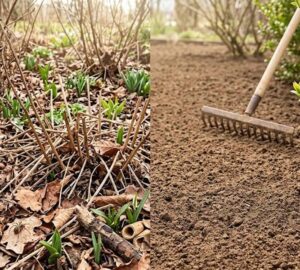
Beds that stay constantly damp, crowded leaves lying against the soil, weedy edges, messy stacks of pots, and moist tucked-away corners all help slugs thrive. You do not need to turn your garden into a laboratory. But in the most vulnerable areas, a little more airflow and a little less clutter can make a noticeable difference.
Evening watering can come with a price
Watering in the evening often feels practical. The sun is weaker, less water evaporates, and the garden gets a calm drink before nightfall. Slugs, unfortunately, may interpret this as an engraved dinner invitation.
If possible, morning watering is often a smarter choice, especially around the plants they love most. By evening, the surface has had more time to dry, and the conditions are slightly less welcoming for a midnight feast.
Physical barriers can help, but they are not magic
Barriers have their place in slug defence, especially around small groups of plants, raised beds, containers, or particularly precious seedlings. Various edging systems, collars, and rougher surface materials may reduce access, at least for a while.
But success depends on scale and realism. Guarding a few pots of basil is one thing. Defending an entire vegetable patch like a medieval fortress is another. Slugs are persistent, opportunistic, and entirely unimpressed by symbolic boundaries.
What about all the traditional home remedies?
Every gardening community seems to have a long-running collection of inherited advice, guaranteed fixes, and stories about a neighbour’s cousin who solved everything overnight. Real life is usually more complicated.
Some home methods may offer temporary help. Others mostly provide emotional comfort to the person applying them. And many lose effectiveness quickly after rain or repeated watering. In practice, the best results usually come not from one miracle trick, but from combining several smaller, sensible measures and sticking with them.
Is hand-picking worth it?
It may not be glamorous, but in a smaller garden it can make a real difference. After rain, or on damp evenings, checking the most vulnerable beds and reducing numbers by hand can help limit damage before the next night’s feeding begins.
It is not a grand final victory strategy. Think of it more as damage control. Still, when tender lettuce and newly planted seedlings are on the line, damage control can be a perfectly respectable ambition.
A completely slug-free garden is not a realistic goal
This is the part where the gardener’s soul may need a gentle sit-down. In most gardens, the real aim is not total slug extinction. That is rarely realistic. The aim is to reduce their numbers and limit the damage enough that your plants still stand a fair chance.
The most effective strategy is usually a mix of prevention, observation, and quick response: fewer hiding places, smarter watering, protection for vulnerable plants, and regular checks. It is not dramatic. It is not cinematic. But it works far better than rage alone.
What should we take from this slug-filled spring?
Slugs are not evil masterminds. They are simply very good at noticing when tender leaves are back on the menu. That may be small comfort when half your lettuce vanishes overnight, but the more clearly you understand what attracts them, the better you can make your garden less inviting.
And yes, there will probably still be mornings when you step outside and ask the universe a few pointed questions. But with a bit of strategy, consistency, and realism, even the slugs may eventually realise that your garden is no longer the easiest place in town to find dinner.