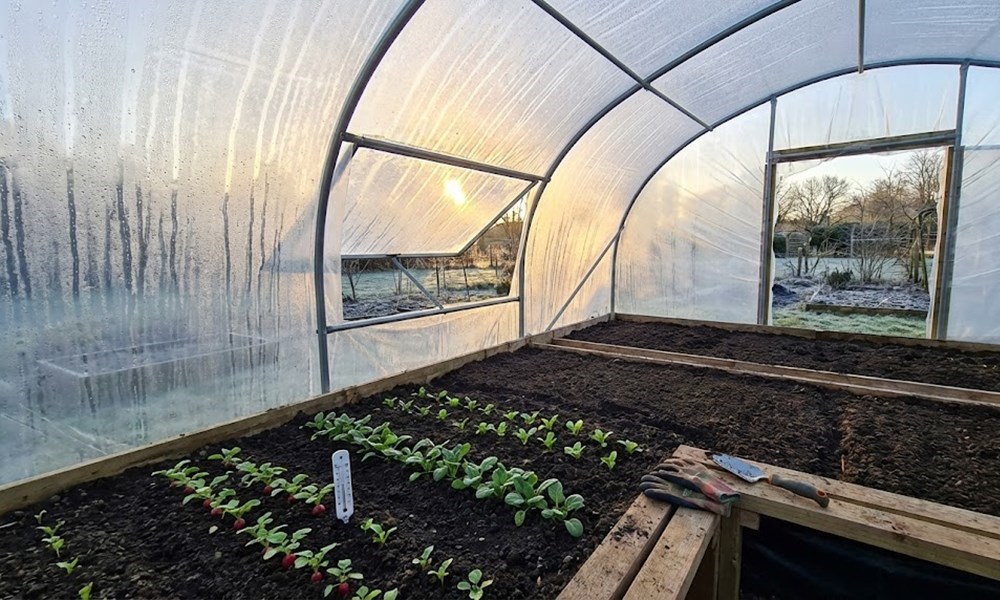

A greenhouse or polytunnel in late winter can feel like a promise of spring. Air temperatures rise rapidly under sunlight, yet soil conditions often lag behind. Successful early sowing depends more on soil temperature than ambient warmth.
The Warm-Air, Cold-Soil Trap
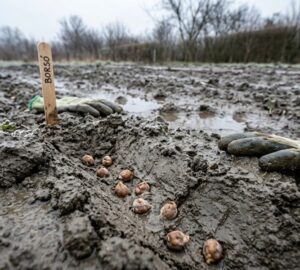
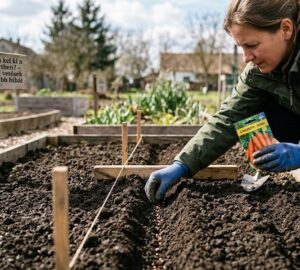
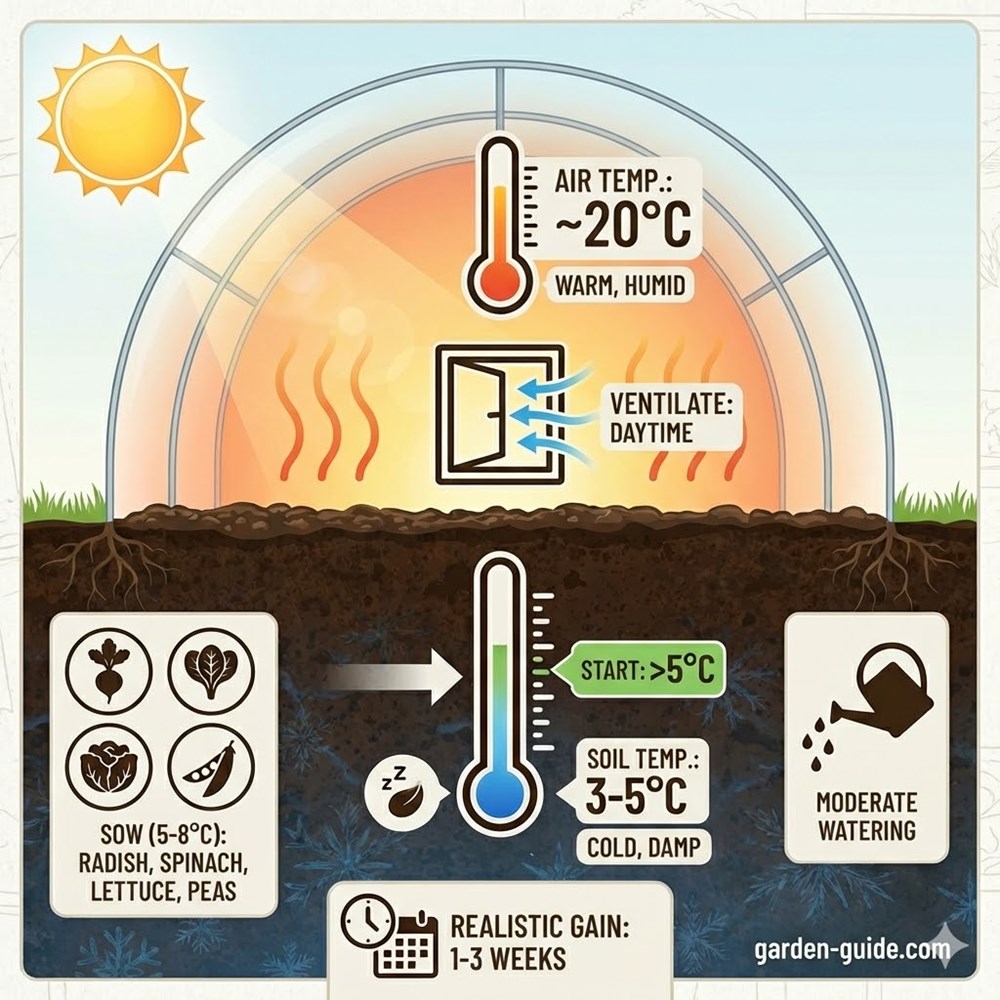
Sunny days may raise interior air temperatures above 20 °C, while soil remains near 3–5 °C. Seeds placed into cold soil delay germination and increase exposure to fungal pathogens. Using a soil thermometer provides clarity beyond visual impressions.
Suitable Crops for Late-Winter Sowing
Cold-tolerant species such as radish, spinach, lamb’s lettuce, early lettuce, and peas perform reliably once soil temperatures exceed 5–7 °C. Warm-season crops require significantly higher temperatures and should be delayed unless supplemental heating is available.
Ventilation – The Hidden Priority
High humidity accumulates quickly under plastic. Regular daytime ventilation reduces disease pressure and stabilizes temperature fluctuations. Opening and closing the structure may be as important as sowing itself.
Water Management
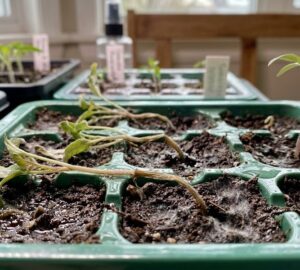
Cold soils retain moisture longer. Overwatering in late winter can suffocate roots and encourage damping-off disease. Moderate irrigation supports balanced establishment.
Realistic Expectations
Protected cultivation may advance harvest by one to three weeks, but biological limits remain. Aligning sowing dates with soil readiness ensures stronger growth and fewer setbacks.
Under-cover gardening in late winter is less about speed and more about precision. Microclimate management transforms potential into reliable progress.