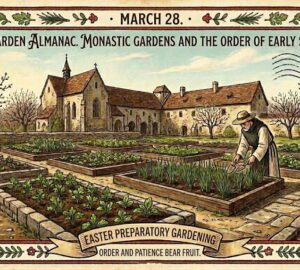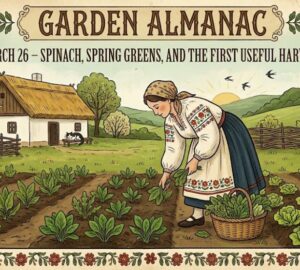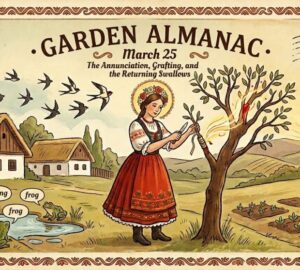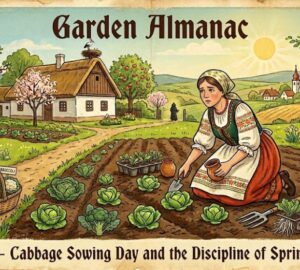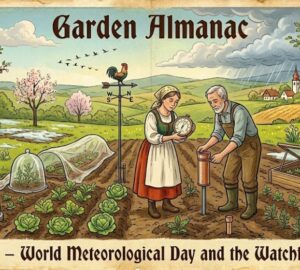
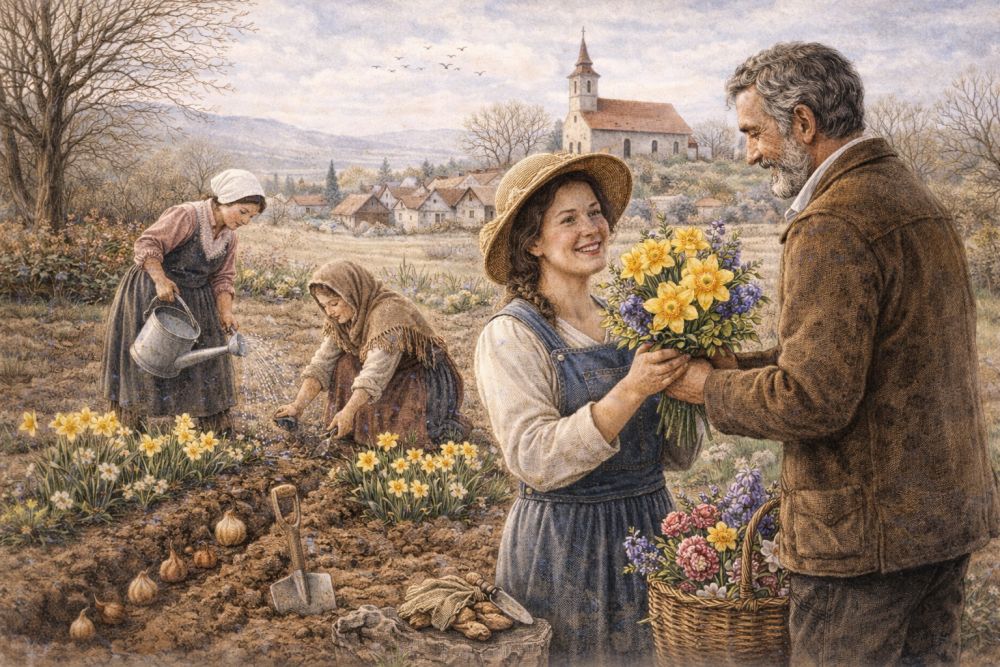

March 8 is famous for flowers, but gardeners know the truth: flowers are the finale, not the work. Early March is about light returning, soil still negotiating moisture and cold, and the quiet preparation that makes spring look effortless.
International Women’s Day, through a garden lens
Across cultures, a lot of everyday plant knowledge has travelled through women’s hands: seed saving, kitchen gardens, herbal traditions, fermenting and preserving, knowing which corner warms first, which soil stays wet, which pot needs air—not more water.
So if you want a March 8 gesture that lasts longer than a bouquet, make it a garden one:
- clean and stack seed trays
- label what you’re actually planting this year
- fix one drafty corner in a cold frame
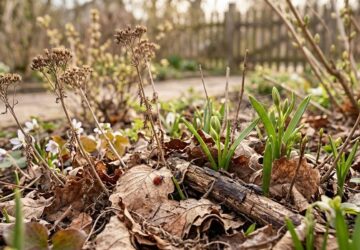
- leave wet soil alone until it crumbles
“Seed guardians” around the world
In many places, families and communities kept their own living archives of seed—varieties that matched local taste, local weather, local soil. That old idea has modern versions everywhere: seed swaps, community seed libraries, neighborhood cuttings shared in paper envelopes.
A Women’s Day idea that feels genuinely international: share something living.
- give a handful of hardy seeds (peas, dill, calendula)
- pass on a cutting from a tough, forgiving plant
- trade one lesson you learned the hard way (and saved yourself next year)
One date, different seasons
In much of the Northern Hemisphere, March is “early spring practice.” In the Southern Hemisphere, it’s often early autumn—an excellent time for compost, storage, seed saving, and resetting routines.
That’s the shared lesson: March 8 is perfect for the calm work that keeps a season from turning chaotic.
Mediterranean March vs. cool-climate March
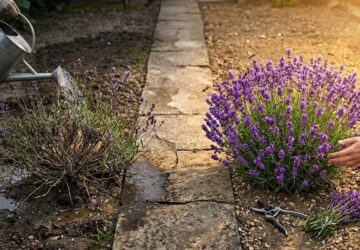
In milder climates, March can be the true ramp into growth and the first real watering decisions. In frost-prone regions, March is still rehearsal time, and soil structure is fragile.
A useful rule of thumb wherever you live: match your pace to nighttime lows, not midday sunshine.
Brewing, herbs, and the garden pantry
March 8 is also linked to women’s collaboration in brewing in some communities. Garden translation: plants are more than pretty—many are flavor.
Even if you don’t brew, you can mark the day in a garden-pantry way:
- start a small pot of herbs (mint, thyme, chives) near light
- dry and sort last season’s herb stash
- plan one edible-flower patch for later (calendula, borage, nasturtium)
The equinox is approaching: light is about to shift the whole mood
As the March equinox nears, day length becomes a real tool. More consistent light helps seedlings grow sturdier and makes recovery after pruning steadier.
If seedlings stretch, don’t chase heat. Give them more light, cleaner airflow, and a calmer rhythm.
A tiny ritual for March 8
- Tidy seeds and labels.
- Prep one clean tray or pot.
- Respect soil structure: don’t work it when it’s wet.
- Share one living thing: seed, cutting, or know-how.