

March 7 is one of those dates that feels half-folklore, half-field note. In many parts of Europe, early March can still flip from soft sunshine to cold air overnight. The smartest move is rarely “do more.” It’s “do the right thing at the right moment.”
A folk compass: listening for direction
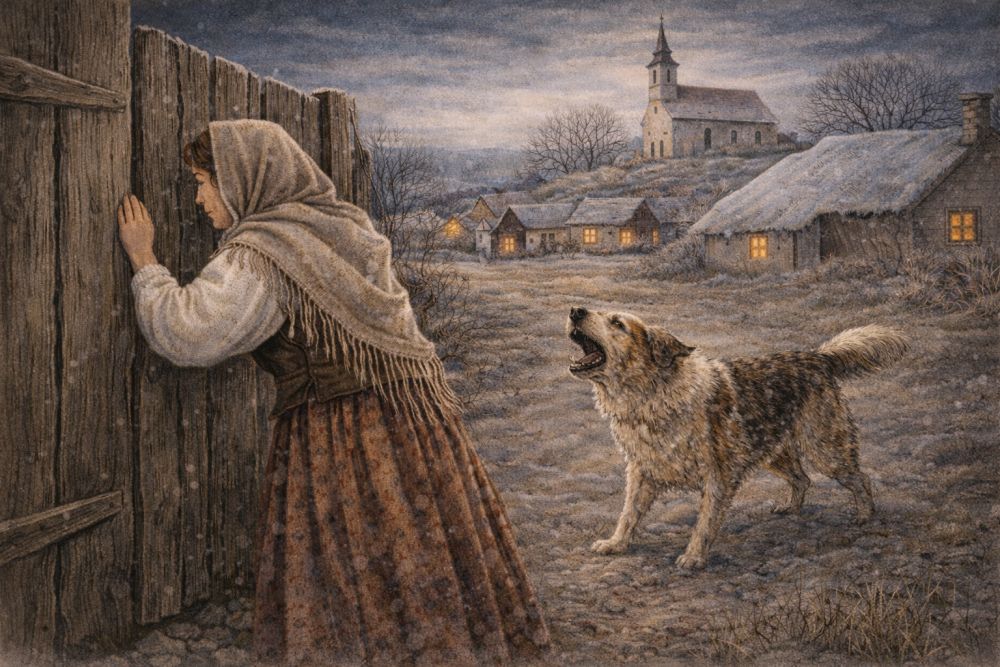
Hungarian tradition calls this day a love-divination night: knock the gate and listen where the louder dog-barking comes from—your future will arrive from that direction. Whether you take it seriously or not, it’s a gorgeous early-spring lesson: direction matters.
In the garden, your “barking” is the wind:
- where the cold drafts settle
- which corner dries first
- which bed warms early
March snow: blessing, setback, or both?
Folk sayings argue about March snow. Some call it fertile, others call it harmful. The practical truth sits in the middle: moisture can be a gift, but cold, persistent wetness can delay everything and damage soil structure.
If March throws you snow or sleet, use it as information:
- Where does meltwater run?
- Where does it pool?
- Which parts stay dry and workable?
A second life for forced bulbs
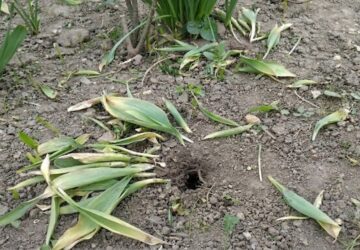
Many people receive potted bulbs around Valentine’s Day—tulips, hyacinths, daffodils, crocus. After flowering, they’re not “over.”
A gentle routine:
- let the leaves stay until they fade on their own
- then plant the bulbs outdoors in a sunny spot
- aim for roughly “two bulb-heights” of soil above the bulb
Don’t expect fireworks this year. Think of it as an investment in next spring.
A quiet nod to Aristotle: observation wins
March 7 is often noted as the date of Aristotle’s death. The garden-friendly version of that legacy is simple: observation beats guessing.
Today, you can “study” your garden in ten minutes:
- which areas frost last
- which bed drains first
- where wind keeps drying the surface
A tiny ritual for March 7
- Read wind and moisture patterns.
- Give your spring bulbs a future home.
- Leave wet soil alone until it crumbles.