
By January 28, winter has entered a more reflective phase.
The light is stronger now, unmistakably present even on overcast days. Yet the garden remains restrained. This is no longer the season of simple endurance, nor yet the season of preparation through action. Instead, late January begins to ask a deeper question: what kind of growth is worth waiting for?
January 28 has long been associated with thinkers, teachers, and figures who sought coherence between knowledge and life. In the garden, this same principle appears quietly beneath the soil.
Knowledge That Takes Root
In the Christian calendar, January 28 commemorates Thomas Aquinas, a thinker remembered for bringing structure, clarity, and order to complex ideas. His legacy was not about accumulation of facts, but about understanding how parts relate to a whole.
This mirrors the logic of the winter garden. Roots are present long before leaves appear. Nutrients are not gathered randomly; they are absorbed according to need, balance, and timing. Growth, when it comes, will follow an internal order already established.
Also remembered on this day is Joseph Freinademetz, known for patient work across cultures, adapting knowledge to new soil rather than forcing it upon unfamiliar ground. His presence reinforces a key gardening truth: plants thrive not because conditions are imposed, but because they are understood.
Julian of Cuenca, remembered for pastoral care and steady guidance, completes this trio with a focus on responsibility and attentiveness — qualities essential to both gardeners and growing systems.
The Garden’s Intelligence
By late January, plants are not inactive — they are selective.
Dormant perennials conserve energy. Trees regulate internal moisture carefully. Seeds remain inert, yet responsive to the lengthening day. The garden is not waiting blindly; it is assessing.
This is a form of intelligence often overlooked: growth guided by restraint.
Cultivating Understanding Before Cultivation Begins
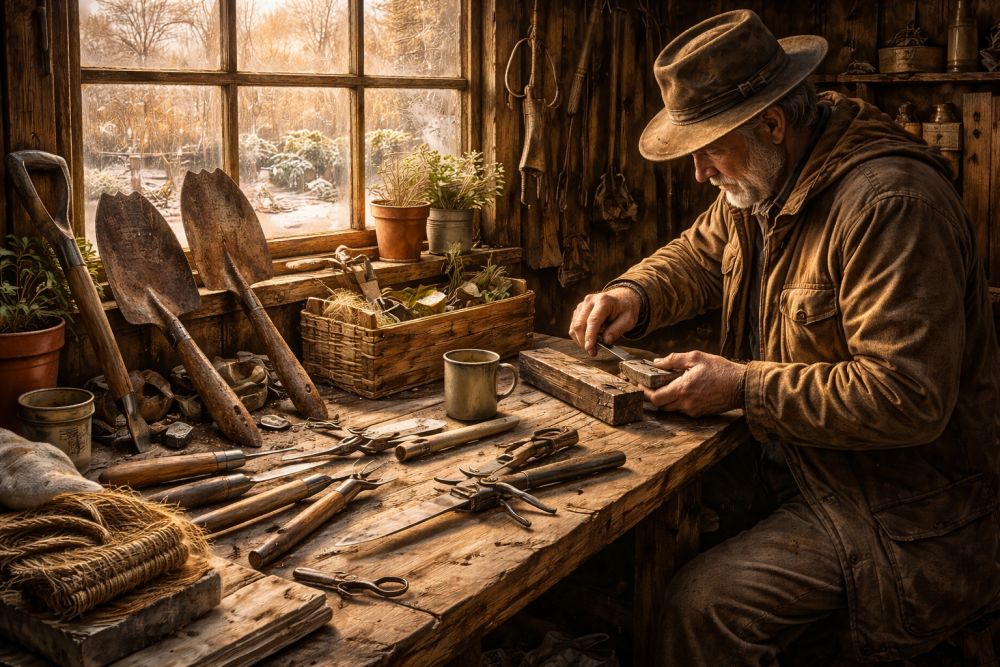
At this point in the season, the most valuable work happens without tools.
This is a time to consider:
– Which plants truly belong where they are placed. – How soil structure supports or limits future roots. – What past seasons have revealed about balance and excess.
These reflections shape the garden more decisively than any early intervention.
January 28 in the Quiet Progression of Winter
If January 25 marked inner turning, and January 26 and 27 emphasized stewardship and learning, January 28 draws these threads together.
It asks not just what we will grow, but why, and how well it fits the place where it will live.
The garden, still bare, already knows the answers.
And for those willing to listen, late January offers a reminder: lasting growth begins not with action, but with understanding rooted deeply enough to hold when the season finally changes.