

By the twelfth day of February, winter is no longer a simple season of waiting. It becomes a season of evaluation.
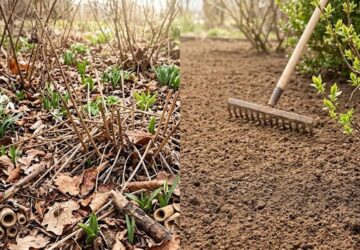
Across many parts of Europe and North America, growers begin to read the landscape more analytically. Bare branches expose structure. Weak wood stands out. The orchard reveals what last summer concealed.
In various Christian calendars, February 12 also carries layered commemorations: Benedict of Aniane, known for monastic reform and disciplined stewardship; Julian the Hospitaller, remembered for hospitality and service; the Martyrs of Abitinae, associated with perseverance under hardship; and Meletius of Antioch, a figure of endurance in times of division. Eastern Orthodox liturgics likewise mark the day with remembrance. For growers, these themes resonate in practical ways — discipline in winter tasks, care for land and livestock, resilience through lean months, and continuity of tradition across generations.
Weather Lore and Field Judgment
In older rural traditions, this day was associated with watching the sky closely. A mild, bright February 12 suggested an early softening of the season; a biting wind hinted that winter had reserves left to spend. Whether or not such lore proves accurate, the habit behind it remains valuable: careful observation.
Experienced gardeners note:
– Are buds on early stone fruits swelling prematurely?
– Has repeated thaw and freeze caused heaving around shallow-rooted perennials?
– Is excess moisture pooling in low beds as snow recedes?
February is less about action and more about timing. Acting too early can be as costly as acting too late.
Darwin’s Relevance in the Orchard
Charles Darwin’s birthday falls on this date (1809), and few places illustrate evolutionary principles more clearly than a working garden.
Variation is visible everywhere. One apple cultivar tolerates late frost better than another. One tomato strain shrugs off blight in a damp year while its neighbor struggles. Even within a single seed packet, no two plants perform identically.
Selection happens constantly:
– Through climate pressures
– Through soil conditions
– Through pests and pathogens
– Through the gardener’s own choices in saving seed or selecting scion wood
A thoughtful grower uses winter to review these patterns. Which varieties proved resilient? Which failed under stress? What microclimates in the garden offered protection or caused vulnerability?
Practical Notes for Mid‑February
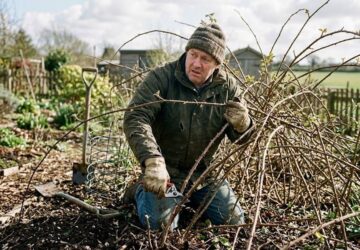
If conditions allow, continue structural pruning of hardy fruit trees, focusing on airflow and balanced form. Delay sensitive species if hard frost is forecast.
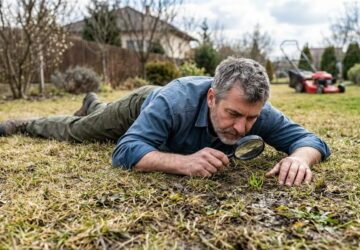
Test older seed lots indoors before committing valuable bed space. Check stored tubers and root crops for early spoilage. Observe compost temperature and moisture levels as microbial life slowly reactivates.
Above all, take notes. February is a planning month disguised as a dormant one.
A Day for Measured Decisions
February 12 reminds gardeners that cultivation is not only physical labor. It is interpretation.
Reading weather.
Reading wood grain and bud swell.
Reading last year’s successes and failures.
Good gardens are shaped as much by winter reflection as by spring planting.