


In spring, gardeners often ask: “Why hasn’t it started yet?” or just as often, “Why did it start so early?” Plant behaviour can seem unpredictable, yet these decisions are driven by a surprisingly sophisticated biological logic.
Plants Do Not Read Calendars
Dates mean nothing to plants. They do not know it is March, nor that it is supposedly time to grow. Spring growth is triggered not by a single cue, but by the combined interpretation of several environmental signals.
The key question is not has it been warm, but is it safe to be warm consistently.

Cold Memory – Why Winter Matters
Many plants require a prolonged period of cold before they can resume growth. This process, known as vernalisation, alters internal growth inhibitors, effectively unlocking development.
This is why a brief January warm spell is usually not enough to trigger growth.
Heat Accumulation – Not Just One Warm Day
Plants respond to accumulated warmth rather than momentary temperatures. Growth begins once a certain heat sum has been reached over time. A few mild days rarely suffice, but sustained warmth can.
This explains why different plants in the same garden start growing at different times.
Light – The More Reliable Signal
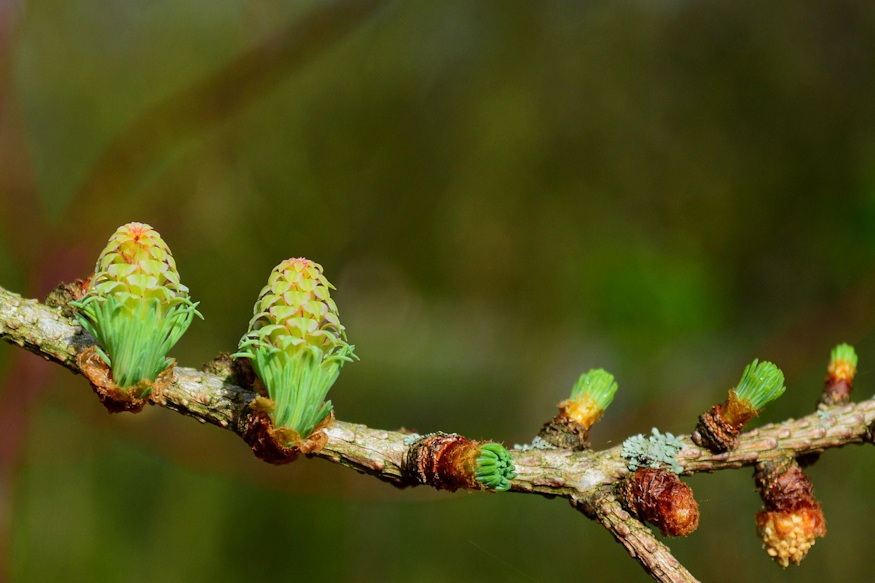
While temperatures fluctuate, day length increases predictably. Many plants monitor both the duration and quality of light. Longer days signal that winter is genuinely ending.
Light-sensitive species are therefore less easily misled by early warmth.
Water and Soil – Often Overlooked
Even with suitable light and temperature, growth may not begin if soil remains frozen or waterlogged. Root activity is essential, and many plants wait until the root zone becomes active.
This delay is often protective rather than limiting.
Why Do Some Plants Start Too Early?
Some species are more risk-tolerant than others. Fast-regenerating plants respond quickly to warmth, while woody plants tend to be cautious, as late frosts can cause severe damage.
This difference reflects survival strategy, not error.
How Climate Change Alters the Signals
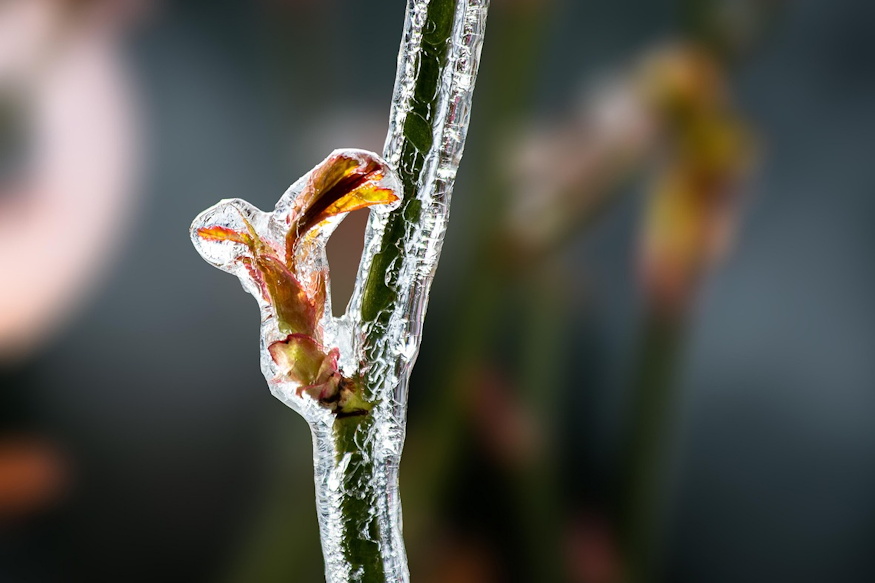
Milder winters and frequent warm spells blur traditional seasonal cues. Winter may fail to provide a clear reset, while early warmth sends misleading signals.
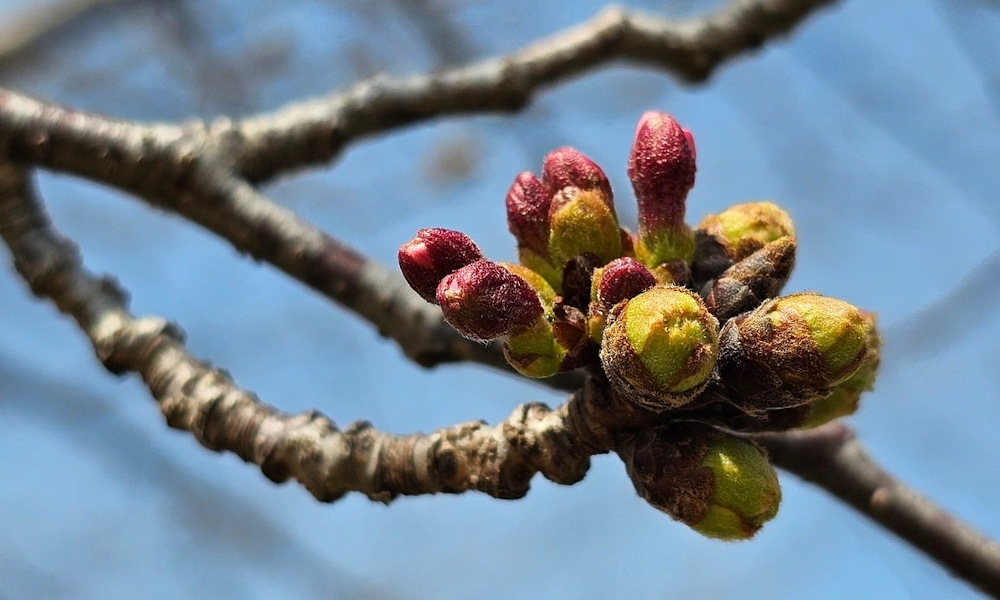
As a result, premature bud break followed by frost damage is becoming increasingly common.
Plants Are Careful – Humans Are Impatient
Plants do not make mistakes; they adapt. Their systems evolved over millennia and still function well, but now operate in a rapidly changing climate.
For gardeners, observation matters more than intervention. Plants usually know better than calendars when their time has come.