

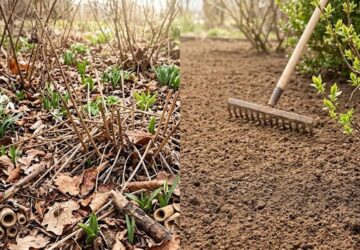
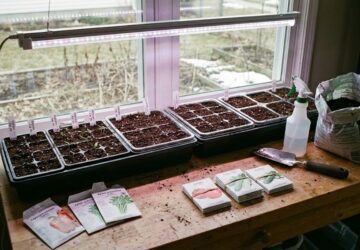
From late February onward, gardeners feel the urge to begin. Seed trays appear, potting soil fills the air, and the
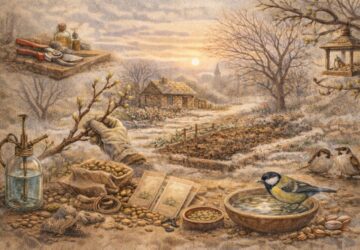
Late February is the garden’s “quiet switch.” Not spring yet, but no longer fully winter either. Days stretch a little,

Every year, early spring brings the same enthusiasm: seed packets appear, and suddenly everything seems ready to be sown at
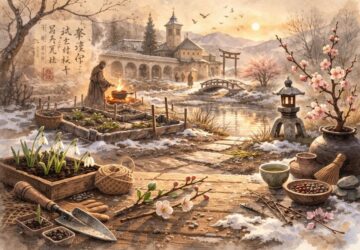
Late February has a particular kind of drama: not the loud, flowering kind—more like a backstage costume change. Light stretches
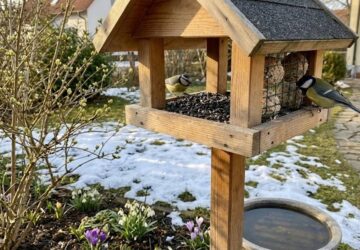
Late winter presents a transitional phase for both gardens and wildlife. Frost may still appear overnight, yet daytime warmth and

In Central European tradition, February 24 is associated with St. Matthias and with a turning point in late winter. Folk
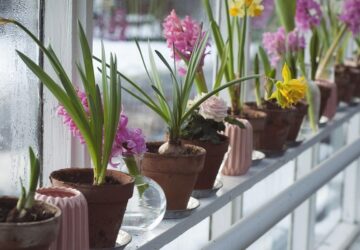
In February, it is almost impossible to resist the scent of hyacinths, the nodding heads of daffodils, the bright crocuses,

February 23 once marked the Roman festival of Terminalia, dedicated to Terminus, guardian of boundaries. Landowners decorated boundary stones and
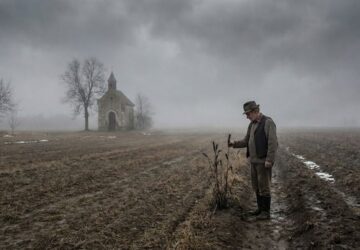
February 22 carries a striking folk name in parts of Central Europe: “Smutty St. Peter.” The term refers not to
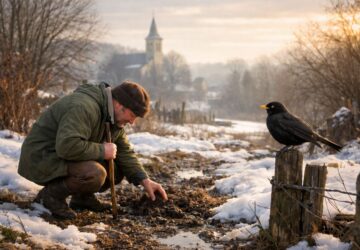
Late February often feels suspended between certainty and change. Across much of the Northern Hemisphere, gardeners stand at a seasonal