


Raspberries are often associated with abundance and nostalgia. They grow quickly, fruit early, and reward care generously. Many gardeners remember

Mid-February rarely transforms the landscape overnight. Instead, it redraws its margins. February 16 has long been linked in Hungarian weather
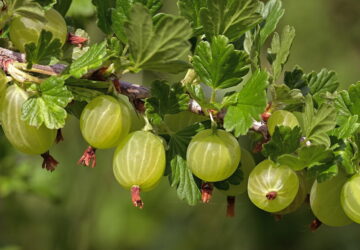
Gooseberries (Ribes grossularia) are known by many names across regions, reflecting their long history in European gardens. What remains consistent
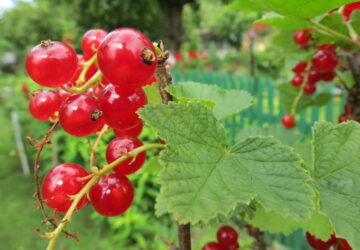
Currants are often treated as background plants in gardens. Reliable, productive, but rarely discussed with enthusiasm. Yet currants are among

In traditional rural life, February 15 was marked in some regions as a day of restraint. Certain household tasks were
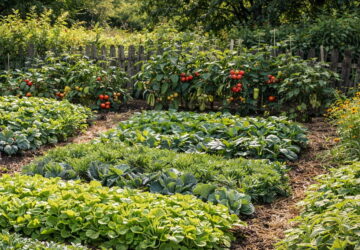
At first glance, French intensive gardening looks suspiciously orderly. Straight beds, dense planting, precise spacing, barely visible soil. It’s not

Long before Valentine’s Day became associated with romance between people, rural communities observed February 14 as a turning point in
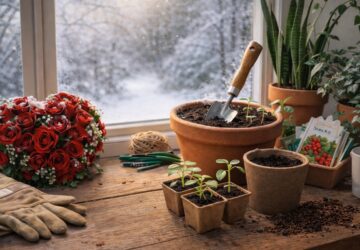
On February 14, millions of roses change hands while in most gardens the soil is still frozen. Shop windows are

Mid-February carries a tension between restraint and awakening. February 13 sits close to the old Roman observance of Faunus, a

The first time gardeners hear about food forests, everything sounds wonderfully simple. Trees, shrubs, groundcover, minimal work, abundant harvests. Nature