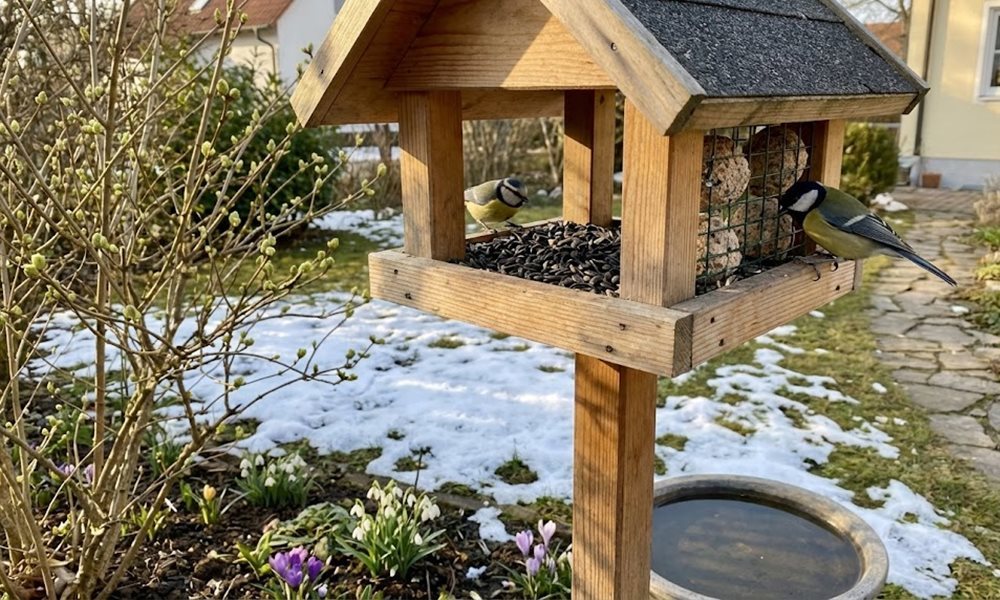

Late winter presents a transitional phase for both gardens and wildlife. Frost may still appear overnight, yet daytime warmth and birdsong signal approaching seasonal change. Determining when to reduce or stop feeding requires observation rather than strict calendar rules.
Why Winter Feeding Matters
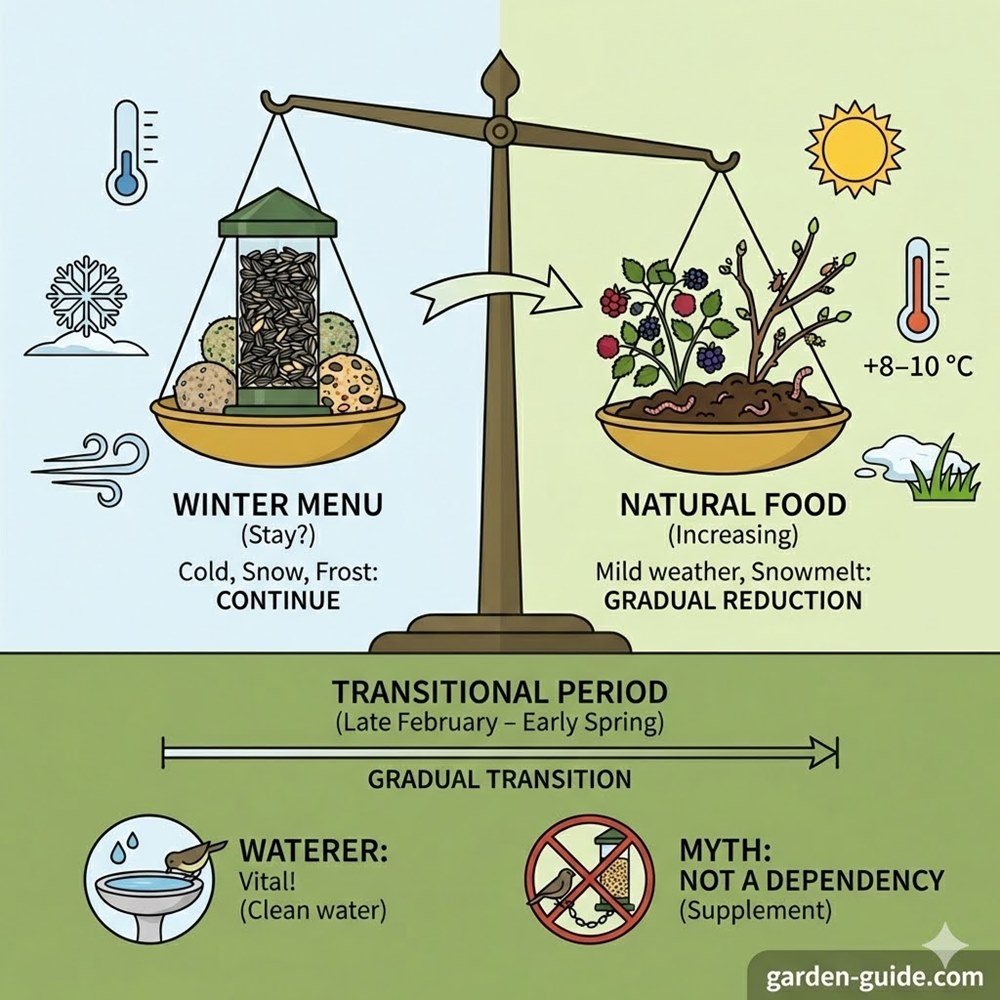
During cold months, natural food sources diminish. Insect populations decline, seeds become scarce, and frozen soil restricts access to invertebrates. Supplemental feeding provides essential energy for thermoregulation.
Situations Requiring Continued Feeding
Maintain feeding during:
- Sudden cold snaps
- Prolonged snow cover
- Extended sub-zero nights
Such conditions limit natural foraging success.
When Reduction Becomes Appropriate
Consistent daytime temperatures above 8–10 °C and snow-free ground allow birds to access expanding natural resources, including early insects and plant material. Gradual reduction prevents abrupt disruption. Birds do not become dependent in a strict sense; supplemental feeding complements rather than replaces natural foraging.
Suitable Foods in Late Winter
Black oil sunflower seeds, small-seed mixes, and suet remain appropriate during cold spells. Avoid salted or processed human foods.
The Role of Water
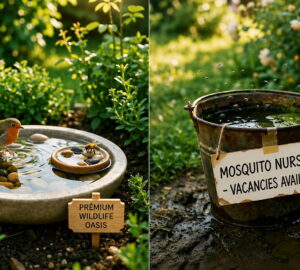
Clean water sources are equally important, particularly as temperatures rise. Hygiene becomes increasingly critical in milder weather to prevent disease transmission.
Transition Toward Breeding Season
As territorial and pairing behaviors begin, adequate energy reserves support reproductive readiness. Gradual withdrawal aligns best with natural seasonal progression.
The decision to stop feeding should follow environmental cues, not arbitrary dates. Observant gardeners adapt alongside the wildlife they support.