


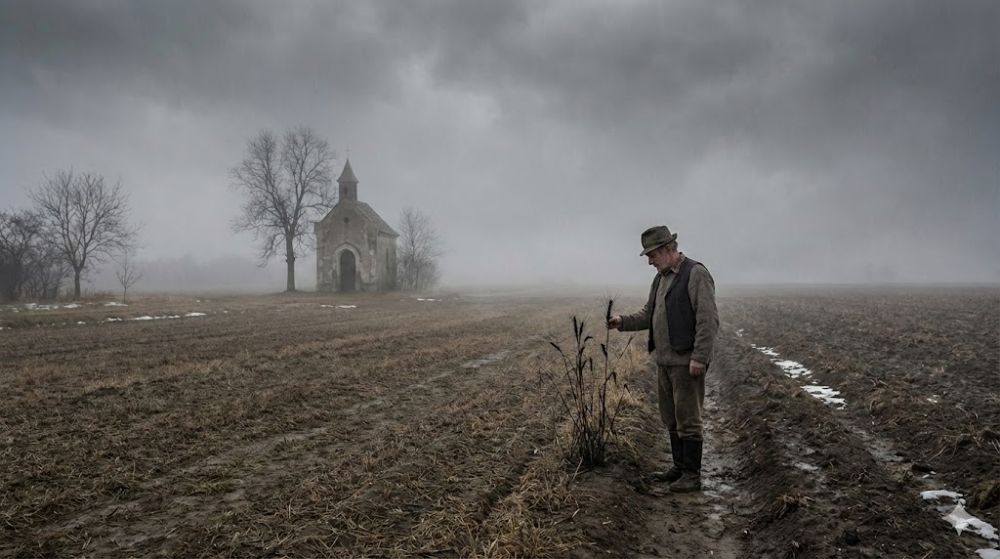

February 22 carries a striking folk name in parts of Central Europe: “Smutty St. Peter.” The term refers not to superstition alone, but to a very real agricultural threat.
Smut as a Crop Disease
Smut fungi (Ustilago species) have long affected cereal crops. Damp, foggy conditions favor fungal spread, and farmers closely observed late-winter weather patterns as possible predictors of spring disease pressure.
Folk sayings that linked fog or driving rain to “smut falling on wheat” reflect generations of experience with crop vulnerability.
A Day of Caution
In some regions, plowing was avoided on this day. Working overly wet soil damages structure and reduces aeration — problems that modern soil science also recognizes.
Fire and ash taboos, recorded in certain villages, symbolically echoed the black powdery spores of infected grain. Whether symbolic or practical, the message was clear: protect the seed and respect the soil.
A Forty-Day Forecast
Traditional lore held that weather on February 22 foretold conditions around St. Joseph’s Day (March 19). If cold prevailed, another forty days of chill might follow. The number forty frequently appears in European seasonal reckoning as a symbolic period of transition.
February 22 stands as a reminder that agricultural calendars were shaped by risk management as much as ritual. Observation, restraint, and patience defined the wisdom of the late winter field.