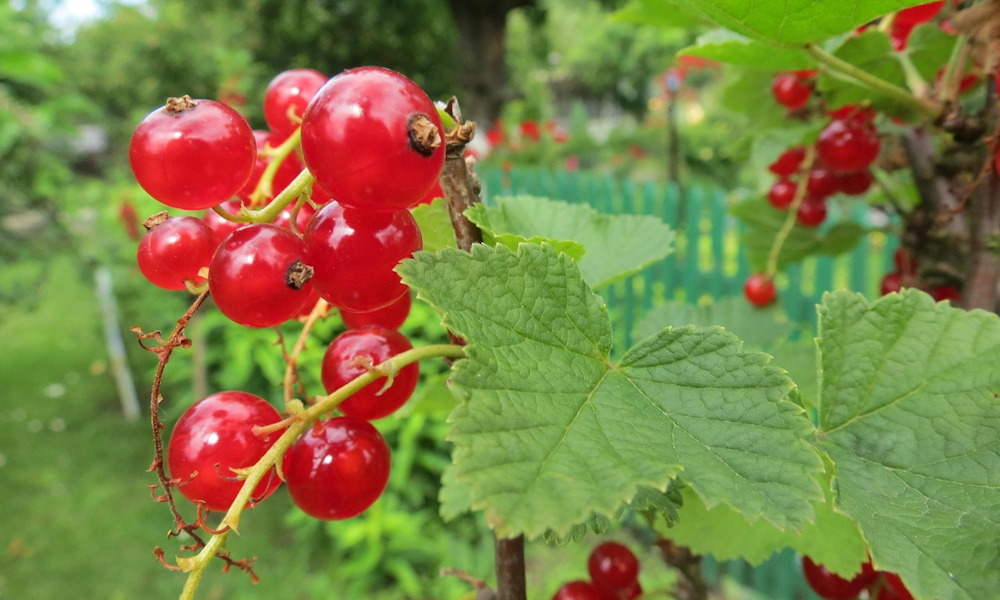

Currants are often treated as background plants in gardens. Reliable, productive, but rarely discussed with enthusiasm. Yet currants are among the most intelligent fruit choices for small and medium-sized gardens.
They combine compact growth, long lifespan, and remarkable versatility—especially when black, red, and ornamental currants are considered together.
Blackcurrants – Depth and Intensity
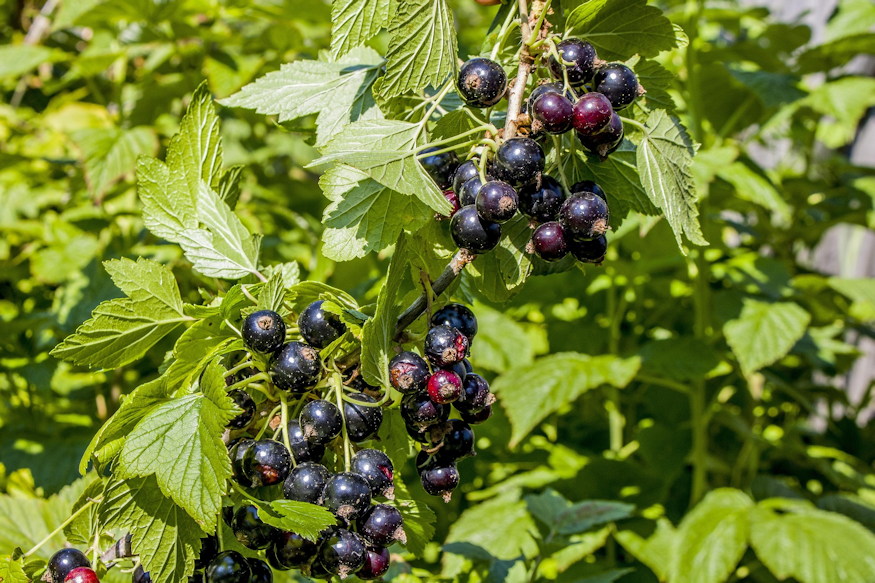
Blackcurrants (Ribes nigrum) are bold plants. Their aroma, flavor, and growth habit are unmistakable. They do not aim for subtlety, but they offer exceptional nutritional value and dependable garden performance.
Blackcurrants form compact shrubs that tolerate pruning well and produce substantial yields in limited space. Varieties such as ‘Blanka’, ‘Fertődi 1’, and ‘Titania’ differ more in character than in quality—each suits a different use and preference.
Red Currants – Balance and Consistency
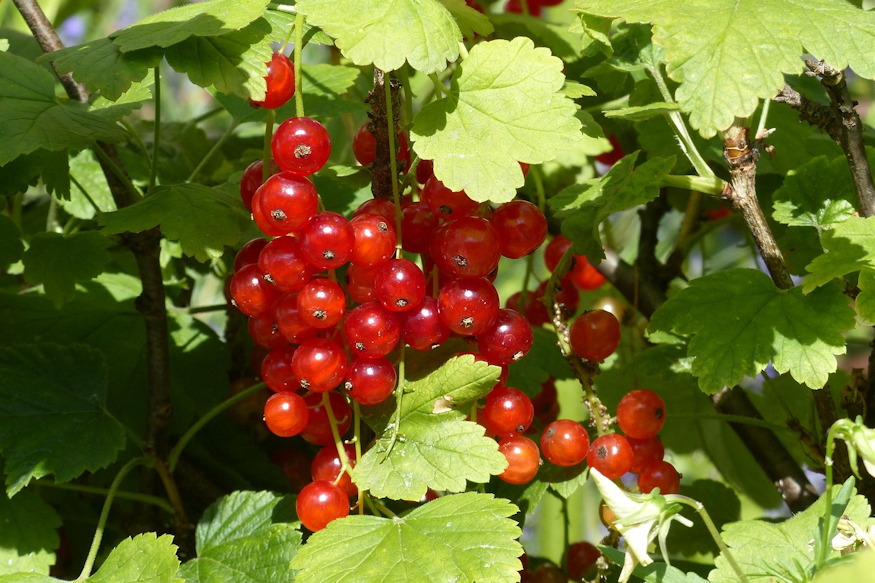
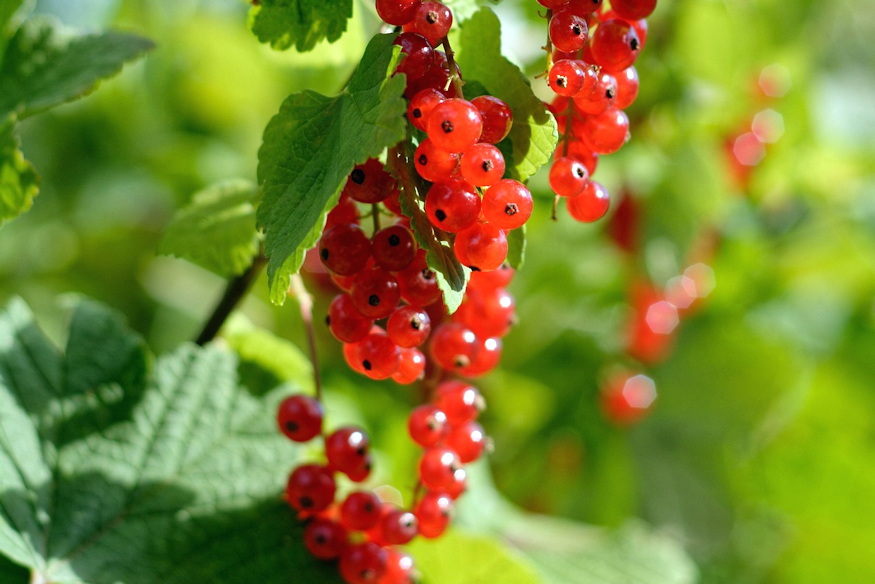
Red currants (Ribes rubrum) often provide the first currant experience for gardeners. They are easy to grow, structured in habit, and productive even when young.
‘Jonkheer van Tets’ illustrates how red currants combine order with generosity. In small gardens, this balance is especially valuable.
Ornamental Currants – When Flowers Matter Most
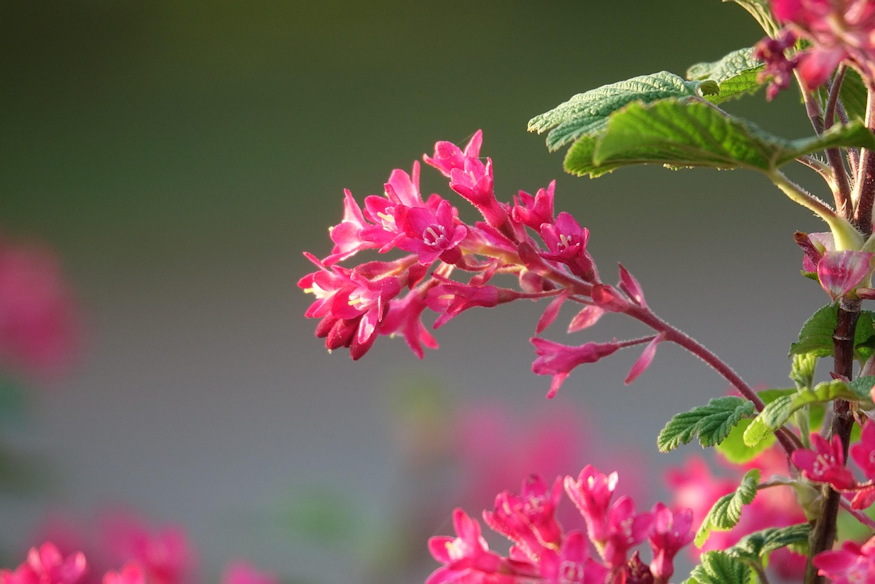
Flowering currants (Ribes sanguineum ‘King Edward VII’) shift the focus from fruit to early-season bloom. Their deep red flowers bring structure and color to spring gardens.
They demonstrate that currants are not only productive plants, but also valuable design elements.
Planting – Setting the Foundation
Currants perform best when planting decisions are made carefully. They prefer bright locations without extreme heat and benefit from well-drained, organic-rich soil. Their root systems are not excessively deep, making them suitable for small gardens—but preparation matters.
A thoughtfully chosen planting site often determines the strength and longevity of the shrub.
Care – Consistency Over Intensity
Currants are not demanding plants, but they respond well to regular, balanced care. Even moisture is especially important during fruit development, while excessive intervention can do more harm than good.
In compact gardens, this low-maintenance nature is a major advantage.
Pruning – The Key to Longevity
Pruning is essential for keeping currants productive. Older, woody branches gradually lose vigor and reduce yields if left unchecked.
Currants tolerate decisive pruning well. Regular renewal keeps the shrub open, healthy, and fruiting reliably year after year.
Pests and Diseases – What to Watch For
Currants are generally resilient plants, but they are not entirely free from problems. Most issues develop gradually and are closely linked to overall plant condition.
Aphids are among the most common pests, especially on young shoots, where they can weaken growth if left unchecked. Sawfly larvae may also appear, sometimes stripping leaves surprisingly quickly.
Common diseases include powdery mildew and leaf spot, both of which are more likely in dense, poorly ventilated shrubs or during prolonged wet periods.
Experience shows that good pruning, proper spacing, and strong plant vitality provide far better protection than reactive treatments. Healthy currant bushes rarely suffer serious damage.
Why Currants Are Worth Planting
Currants excel in proportional thinking. They do not demand excessive space or constant attention, yet they remain productive for decades.
In small gardens, this reliability often matters more than novelty.
What to Expect Long Term
Currants are not about instant rewards. They are about presence and continuity. Gardeners who appreciate that rhythm often find currants becoming some of the most trusted plants in their garden.