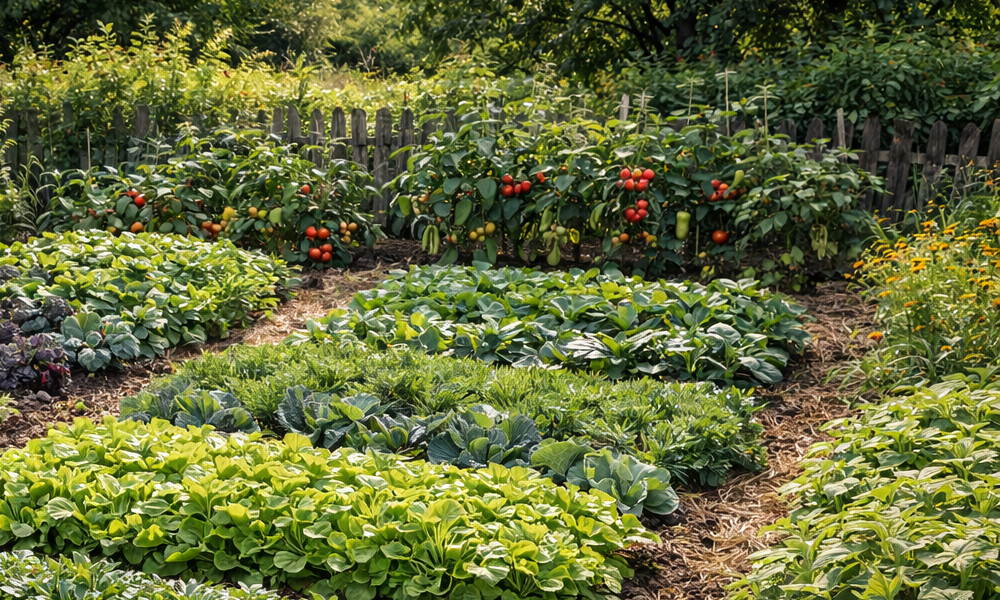

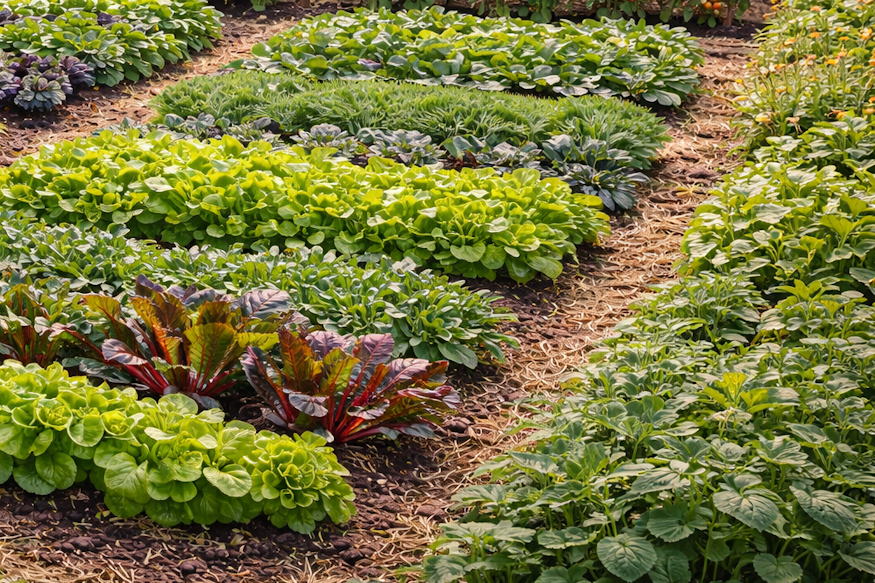
At first glance, French intensive gardening looks suspiciously orderly. Straight beds, dense planting, precise spacing, barely visible soil. It’s not wild, not romantic, and definitely not improvised.
And yet—it works.
What Is French Intensive Gardening?
The method traces back to 19th-century French market gardens, where growers needed high yields from limited space.
The system relies on deep soil preparation, close plant spacing, and continuous soil cover. Plants grow closer together but form a shared microclimate rather than competing destructively.
What Can You Grow in Biointensive Beds?
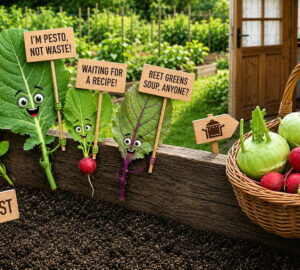
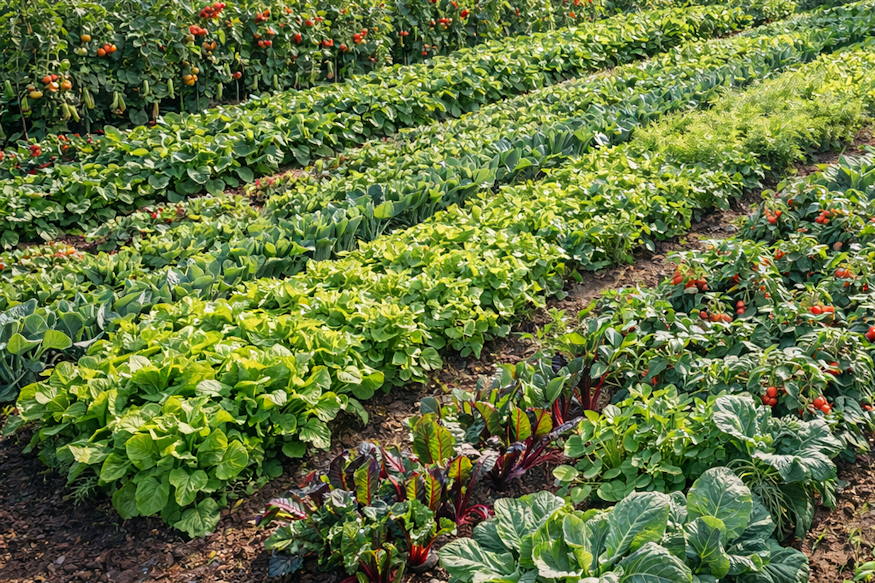
Leafy greens thrive here: lettuce, spinach, arugula, chard, radishes, beets, and carrots.
Larger crops like tomatoes, peppers, eggplants, and cabbages also perform well when timing and soil fertility are managed carefully.
Beds are often planted in succession, allowing multiple harvests from the same space throughout the season.
Why It Excels in Small Gardens
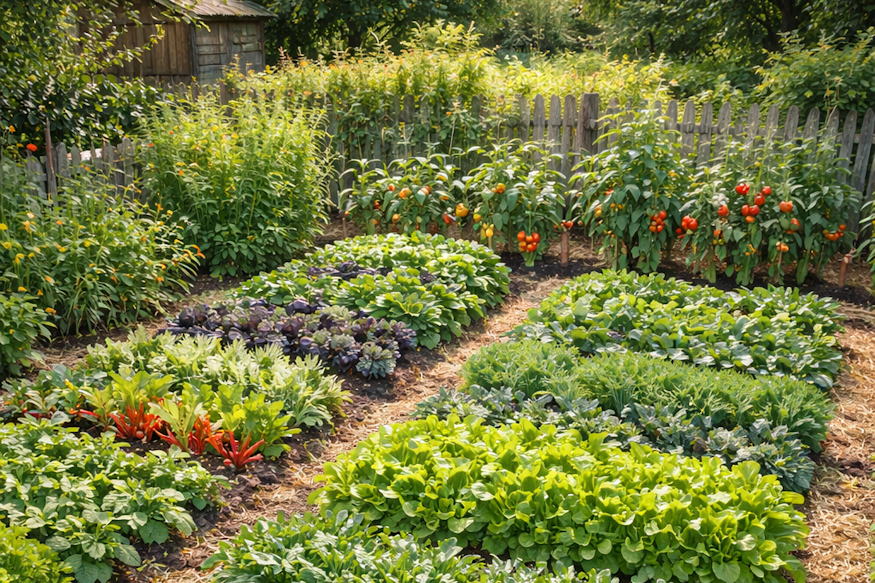
No space is wasted—neither physically nor seasonally. As soon as one crop finishes, another takes its place.
Continuous cover supports soil life, reduces evaporation, and limits weeds, making productivity more predictable.
The Part Often Left Out
Biointensive gardening is not low-effort at the start. Soil preparation, planning, and timing require commitment.
In return, the system offers fewer weeds, lower water needs, and reliable harvests once established.
Who Is This Method For?
This approach suits gardeners who enjoy structure, planning, and efficiency.
Those who prefer spontaneous, loose garden layouts may find it overly strict.
Why This Method Actually Works
French intensive gardening doesn’t fight nature—it works with it through discipline.
It promises no miracles, only consistency. And for many gardeners, that’s exactly what makes it powerful.