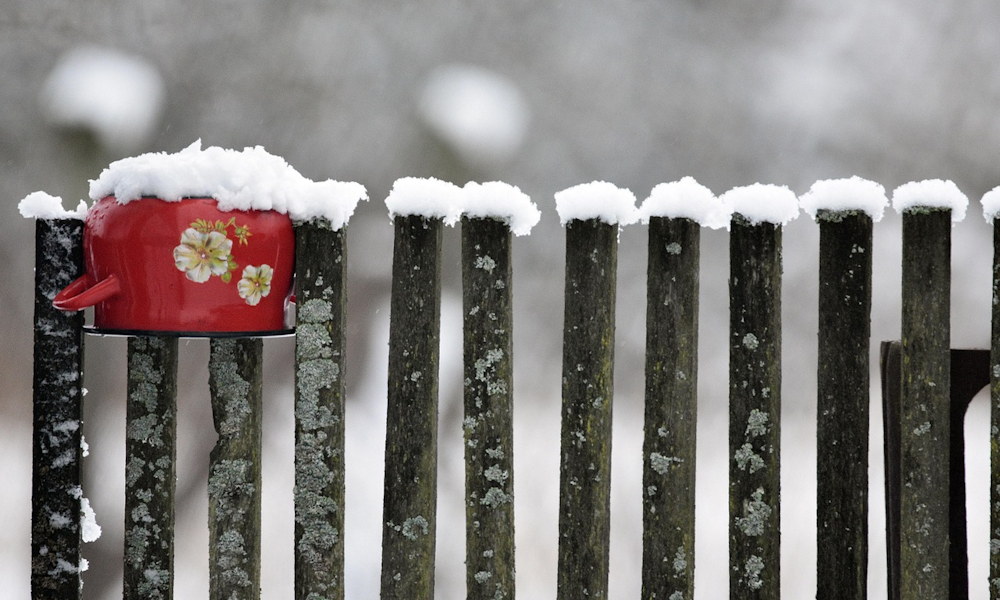

Today, winter is often seen as downtime in the garden. A period when nothing happens except waiting. For traditional gardeners, however, winter was not a break, but a shift to quieter, slower – yet equally essential – work.
Winter as a Time of Reflection
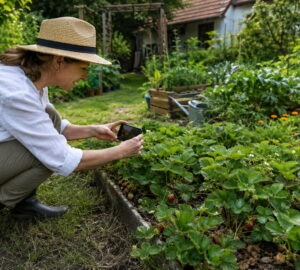
Cold months were for looking back. Gardeners assessed the past season: which beds thrived, which struggled, where water was scarce, which trees yielded poorly. These observations were not written down, but remembered – shaping decisions for the year ahead.
Tools Finally Had Their Turn
Winter was the season for tool maintenance. Handles were repaired, blades sharpened and broken tools replaced. Not out of leisure, but necessity. A dull tool in spring meant lost time and damaged plants.
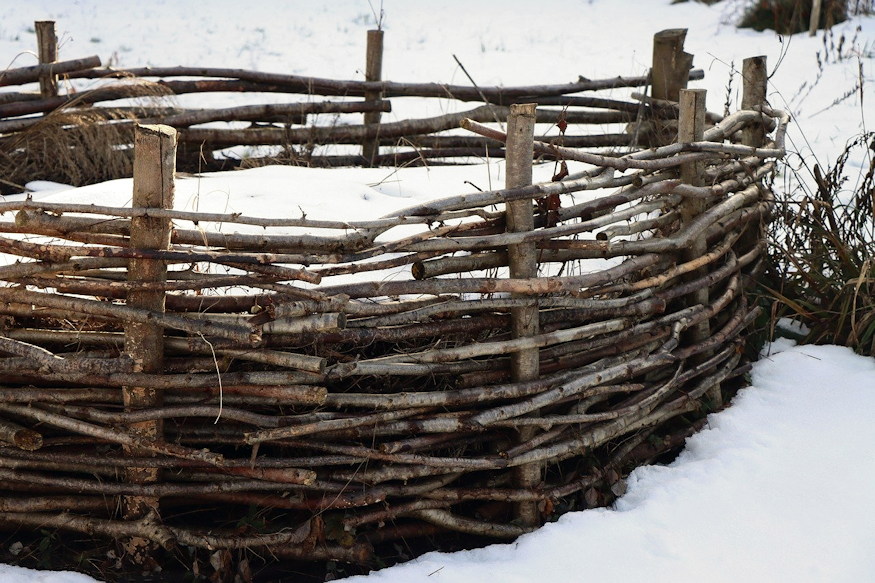
Seeds Were Knowledge, Not Just Stock
Seeds were not sown in winter, but selected. The strongest plants provided seed for the next year, which was cleaned, dried and sometimes exchanged. Winter was also a time for learning: elders passed on experience through stories rather than manuals.
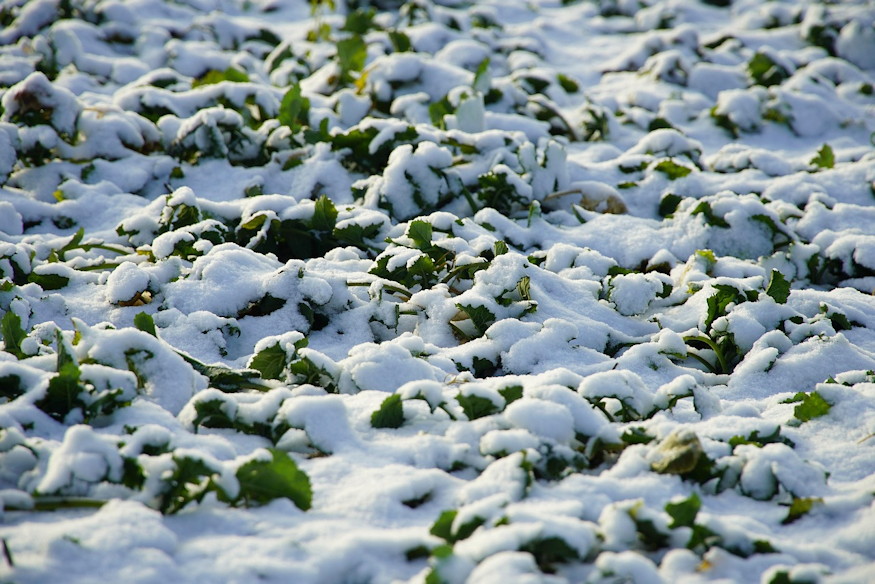
Pruning – With Purpose
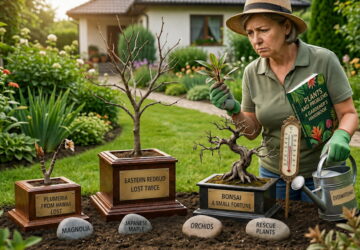
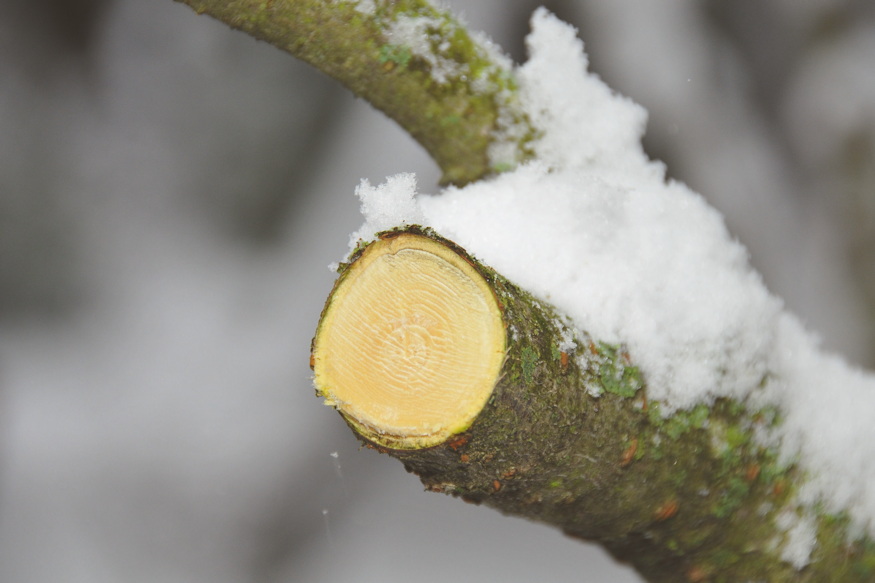
Not all plants were pruned in winter, but for certain trees it was ideal. Without leaves, structure was visible. Pruning became a decision-making process rather than a mechanical task: what to keep, what to remove.
Watching Animals and Signs
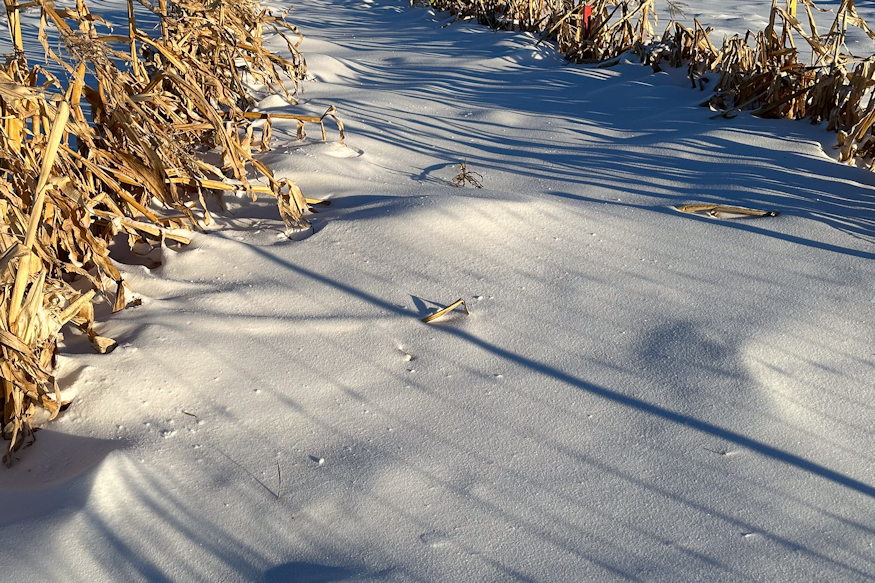
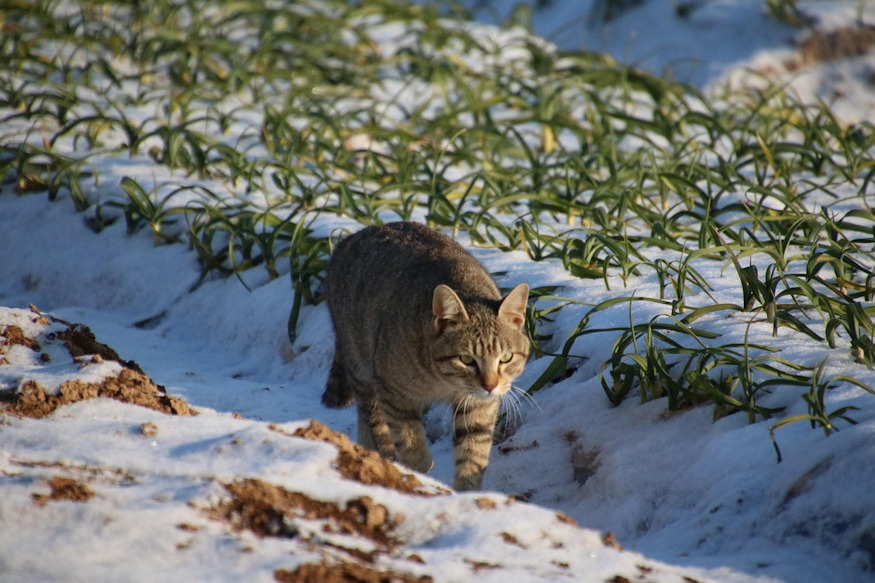
The garden extended beyond plants. Winter was when animal tracks, sheltering places and feeding habits were most visible, offering clues about the coming season.
Planning Without Calendars
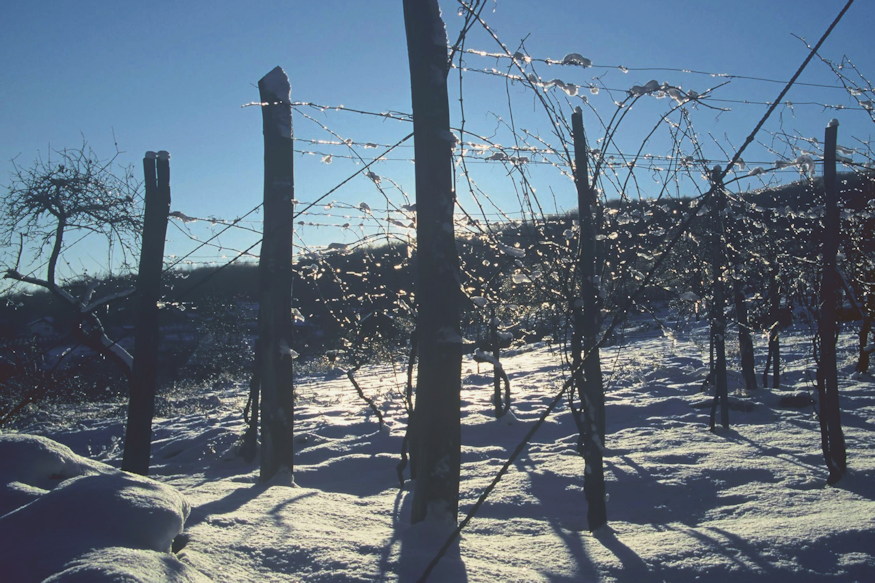
Traditional gardeners did not rely on charts or schedules. Winter signs – snow cover, frost duration, soil behaviour – guided timing. The garden set the pace, not the calendar.
The Takeaway: Winter Was Never Empty
For past gardeners, winter was a foundation season. What was observed, repaired and decided during these months shaped the entire year.
In a time when gardening is often reduced to task lists, winter reminds us that a garden also offers something else: time.