
January 22 has long been a day of temptation. After weeks of winter stillness and the first subtle return of light, people felt the urge to act — to cut, to prepare, to intervene. Traditional calendars, however, delivered a quieter message: this is the day to watch plants carefully, not to rush them.
Across Europe and beyond, January 22 became associated with one plant above all others — the vine — and with a lesson that still matters in gardens today.
Europe: Saint Vincent’s Day and the Vine as a Messenger
January 22 is Saint Vincent’s Day, one of the most important plant-related dates in European folk tradition, especially in wine-growing regions.
Old sayings warned and encouraged at the same time. If sap appeared in the vine, it promised abundance. If the vine remained still, patience was advised. Crucially, this was not a day for full pruning. Instead, growers observed.
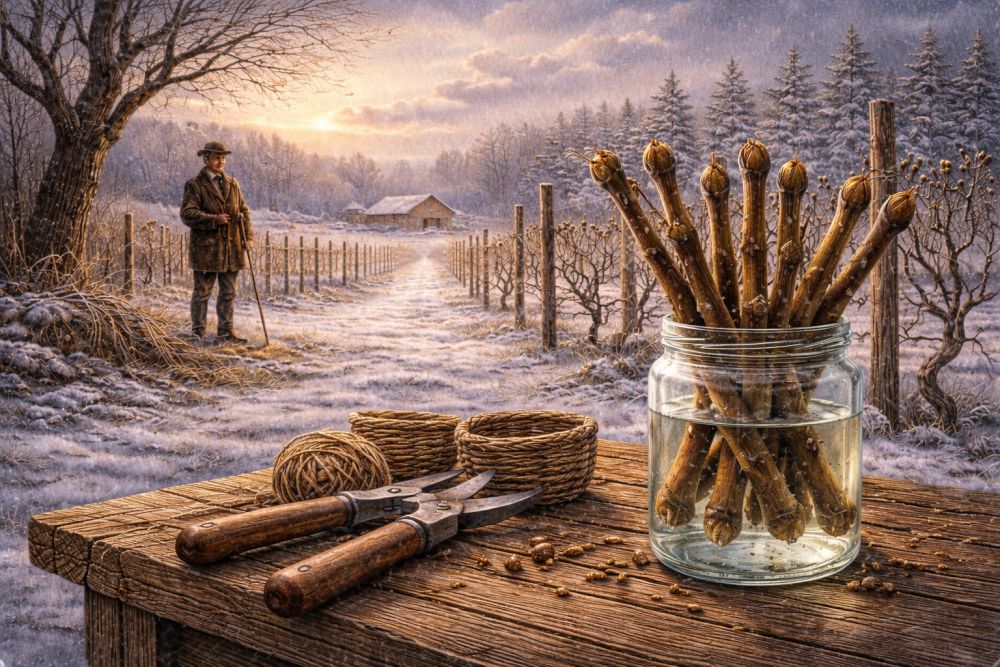
In many regions, a single vine shoot was cut and placed in water indoors. The way its buds responded — slowly, hesitantly, or vigorously — was used to gauge the coming season.
This was not superstition. It was early plant diagnostics, based on experience and restraint.
Why Watching Was Better Than Cutting
Gardeners understood that late January sits in a dangerous middle ground. Plants may stir internally, but winter can still return with force.
Early pruning or disturbance could expose tissues to frost damage or weaken plants before growth truly began. By limiting action to observation, growers protected both plant strength and future yield.
Modern horticulture echoes this wisdom. Sap flow, bud swelling, and cambial activity often begin before stable warmth arrives. Acting too soon can undo the plant’s own timing.
A Global Pattern: The Risk of False Spring
While Saint Vincent’s Day belongs to Europe, the underlying lesson is global.
In North America, late-winter warm spells are known as false spring events — periods when plants respond to temporary warmth only to be damaged by returning cold.
In East Asia, seasonal systems emphasize restraint after winter’s peak, warning that early signs do not equal readiness.
Across climates, January 22 stands as a reminder: movement does not mean permission.
The Garden Lesson of January 22
January 22 teaches one of the hardest skills in gardening — patience.
This is the day to look closely at buds, bark, and soil, but to keep tools at rest. It is a day to read plants rather than instruct them.
The vine, watched but not cut, becomes a symbol of trust in natural timing.
That quiet discipline is why January 22 earns its place in The Garden Almanac.