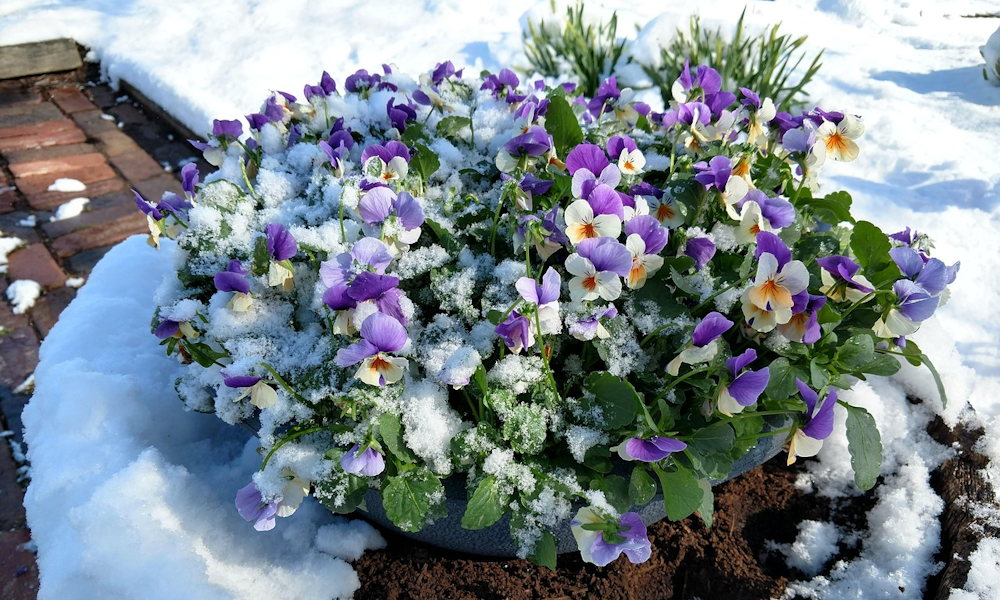

After a snowfall, a garden can appear evenly wrapped in white. Yet within hours — sometimes by the next day — clear differences emerge. In one corner, grass begins to show through; elsewhere, a thick layer of snow stubbornly remains. To many gardeners, it feels almost intentional, as if the garden were making decisions of its own.
In a way, it is.
The pattern of melting snow reveals a surprisingly precise map of how a garden functions beneath the surface.
Every Garden Has Its Own Microclimates
No garden is truly uniform. Even a modest backyard contains several microclimates operating side by side.
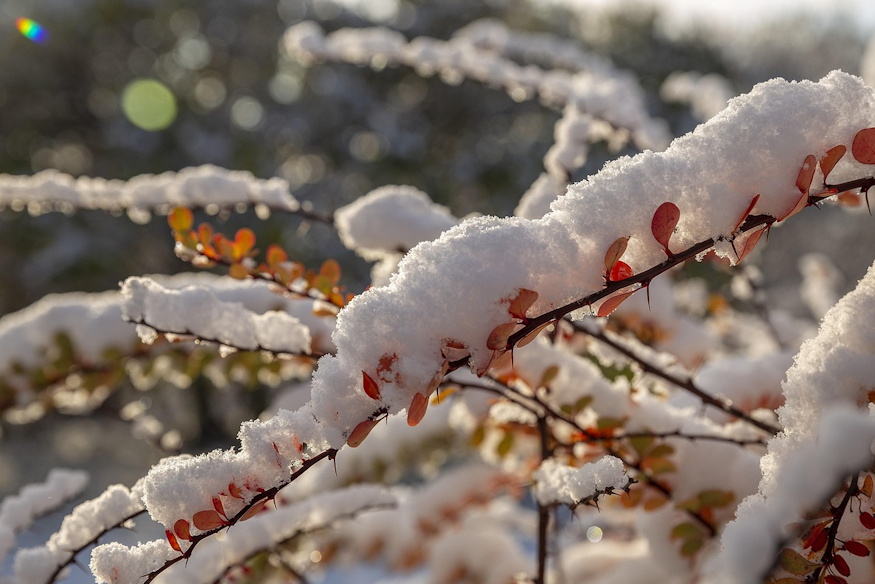
Walls absorb and release heat, darker soil surfaces warm more quickly, and sheltered corners behave very differently from open, wind-exposed areas. Snow reacts immediately to these subtle temperature differences, making them visible.
Soil Type Matters More Than We Expect
Loose, organic-rich soil absorbs daytime warmth faster, while compacted or waterlogged soil stays cold for longer. This is why snow may begin melting in one bed while remaining untouched just a few metres away.
Moisture plays a crucial role as well: wet soil warms slowly and therefore holds onto snow for extended periods.
Plants as Natural Temperature Regulators
Shrubs, perennials, and trees do more than shape a garden’s appearance. In winter, they actively influence temperature patterns.
Snow often lingers longer beneath dense vegetation because less direct sunlight reaches the ground. At the same time, plants absorb and gradually release heat, helping to smooth out extreme temperature swings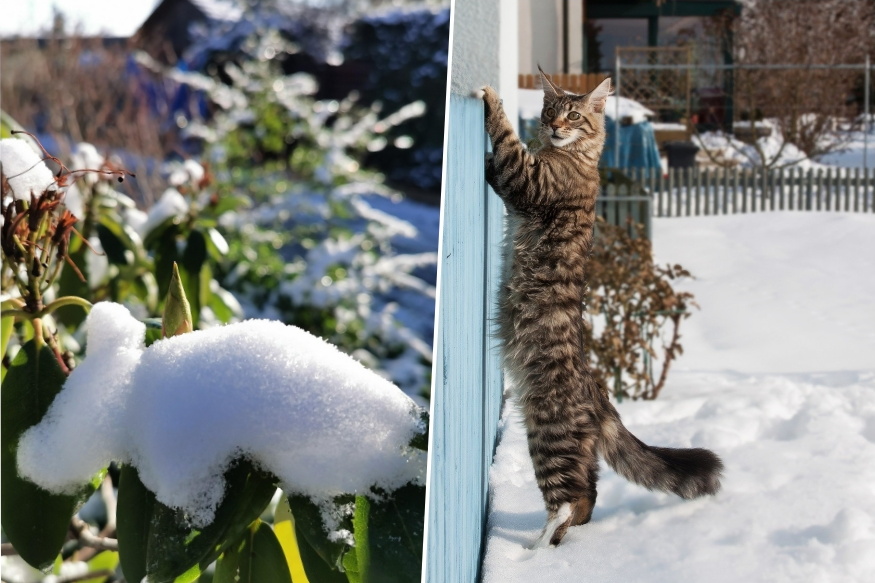
Sun Exposure Is Never Equal
South-facing areas receive noticeably more winter sunlight, even when the sun sits low in the sky. Snow melts sooner here, while north-facing or permanently shaded zones may retain deep snow cover for days longer.
This variation is not a flaw in the garden’s design. It is a natural difference that will also shape how plants awaken in spring.
What Is the Garden Revealing?
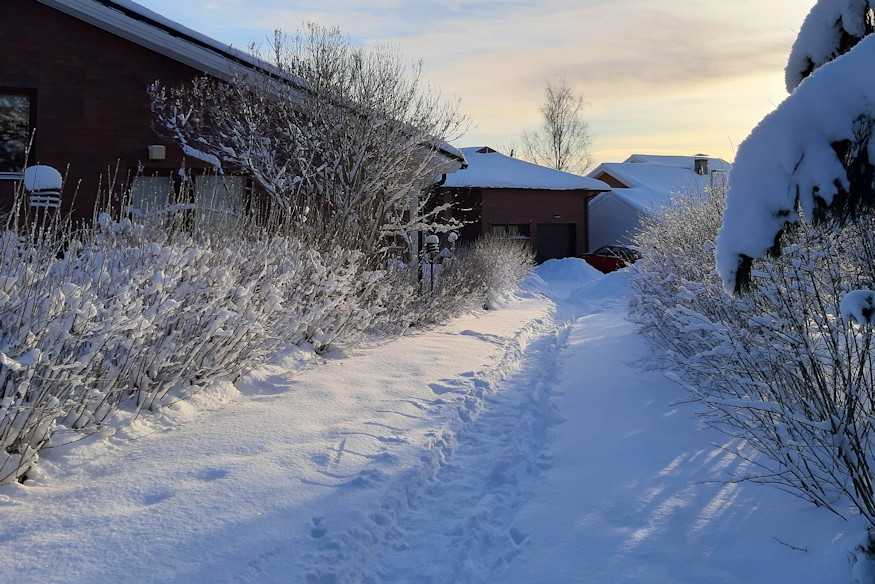
Melting snow acts like a living diagram. It shows where soil warms first, where cold air tends to settle, and which areas are likely to experience an earlier or later start to the growing season.
At this moment, the garden is communicating — it simply happens to be drawing with snow.
Should We Intervene?
In most cases, no. Removing or redistributing snow rarely improves conditions and often does more harm than good.
Observation, however, is invaluable. These natural patterns offer clues that can later guide planting decisions, timing, and plant selection.
Snow does not melt evenly across a garden — and that is not a problem. It is a quiet reminder that a garden is a complex, living system, far more nuanced than it first appears.