
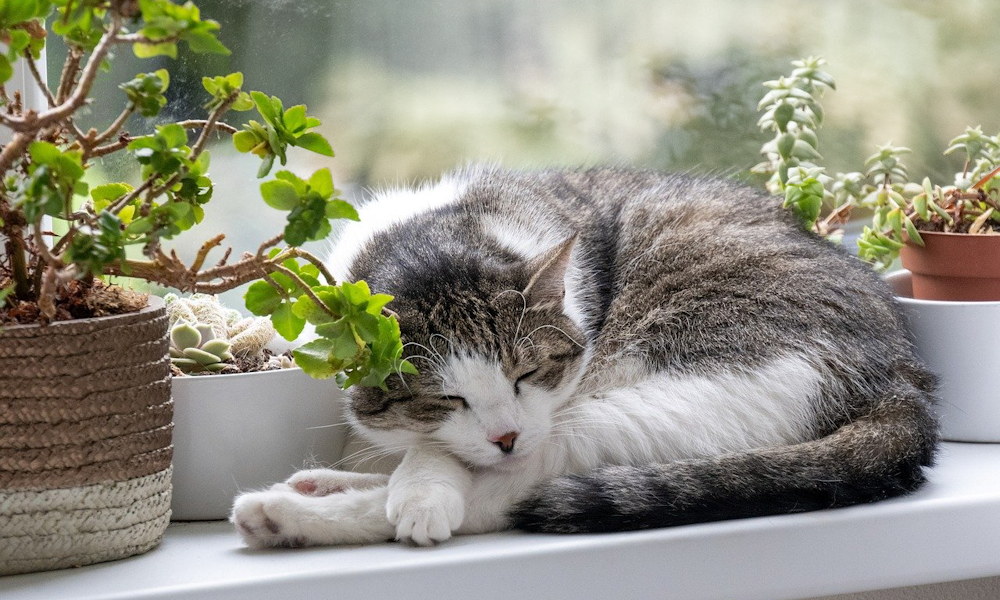

In winter, the windowsill becomes a surprisingly extreme place for plants. It may look bright and inviting, but in reality it is where cold glass, warm heating, drafts and weak winter light all meet. No wonder so many houseplants start to struggle there in ways that feel hard to explain.
There are many misconceptions about winter windowsills. This article is not a list of recommended plants. Instead, it helps explain what this space can realistically support, and what is likely to cause problems in the long run.
Light Is Not Just About Direction
It’s easy to assume that a plant placed by a window automatically gets enough light. In winter, however, the sun stays low, days are short, and even glass itself reduces light intensity.
A winter windowsill often receives only a fraction of the light that feels natural in summer. That’s why not every “sun-loving” plant is actually comfortable there during the colder months—even if it thrived in the same spot before.
Temperature: Not Just About Cold
A windowsill is not simply cooler. Temperatures there fluctuate constantly. At night, cold radiates from the glass; during the day, heat builds up from sunlight or nearby radiators.
For many plants, this constant swing is more stressful than steady cool conditions. The root zone is especially sensitive, particularly when pots sit directly on cold stone or tile.
Drafts: Invisible but Stressful
Drafts are often underestimated. A frequently opened window or a poorly sealed frame can be enough to dry out leaves or cause spotting.
Draft stress rarely shows immediate damage. Instead, plants decline slowly, making the real cause difficult to identify.
The Windowsill as a Compromise Space
It’s important to recognize that winter windowsills are rarely ideal environments. They are compromises. Some plants tolerate them, but very few truly thrive there long term.
This isn’t a failure. It simply means that a plant’s needs don’t align with the conditions of that particular spot.
When Is It Time to Rethink Placement?
If a plant weakens noticeably in winter—dropping leaves, stretching, or losing vigor—it’s often responding to environmental stress rather than disease.
In these cases, more care is not the answer. Less stress is. Sometimes moving a plant just a few steps further into the room can make all the difference.
The “Aha” Moment
Perhaps the biggest misconception is that a windowsill is always the best place for plants. In winter, it often isn’t.
Recognizing this can prevent a lot of frustration. Winter plant care isn’t about crowding every green leaf near the glass—it’s about understanding limits.
The windowsill is not the enemy. You just need to know what it can really handle.