
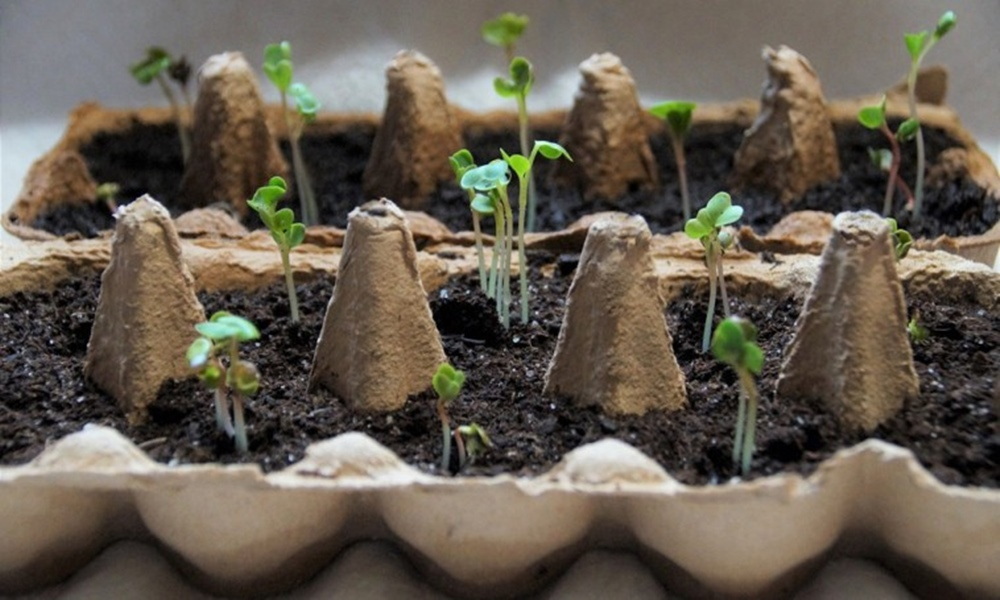

Few gardening topics divide people as quickly as so‑called “smart” seedling hacks. One photo of toilet paper rolls or egg cartons lined up on a windowsill is enough to spark debate: brilliant reuse or a guaranteed path to disappointment?
The short answer is: it depends. The longer answer is far more interesting – and a little more educational.
Why Did These Methods Become So Popular?
Toilet paper rolls and egg cartons fit social media perfectly. They’re free, visually appealing, eco‑friendly, and wonderfully simple at first glance. Most importantly, they give the feeling of doing something meaningful for your garden.
What we don’t usually see is what happens two or three weeks later.
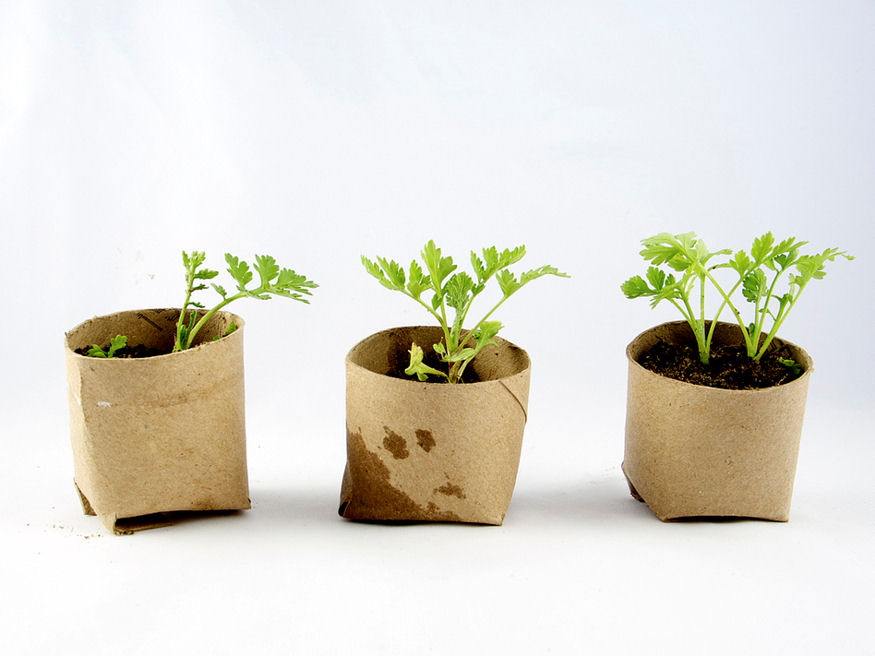
Toilet Paper Rolls: Good Intentions, Short Lifespan
The biggest advantage of paper rolls is that they’re biodegradable. In theory, you can plant the seedling together with the container and avoid disturbing the roots.
The problem is that toilet paper rolls were never designed for seedling production. They absorb water quickly, can become moldy, and lose structural strength long before a young plant is ready to stand on its own.
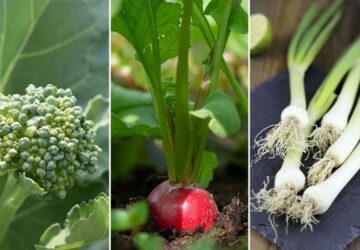
They can work for fast‑growing crops that only need a very short head start – leafy greens, radishes, dill, or basil – where seedlings move into the ground within a few weeks.
They’re a poor choice for long‑grown plants like tomatoes, peppers, eggplants, or cabbages, which need time, space, and stable root conditions.
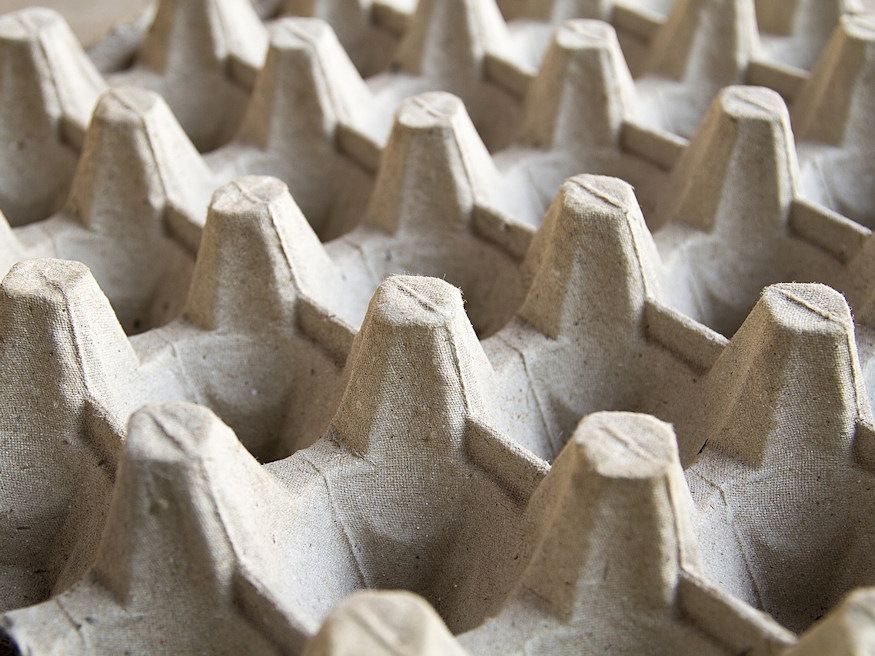
Egg Cartons: Cute but Cramped
Egg cartons look great on camera. Each seedling has its own tiny compartment. Unfortunately, those compartments are very small.
They often work well for germination, but once real growth begins, roots quickly run out of space. Soil dries out faster, nutrients disappear, and growth stalls. That familiar moment arrives: it looked great, then nothing happened.
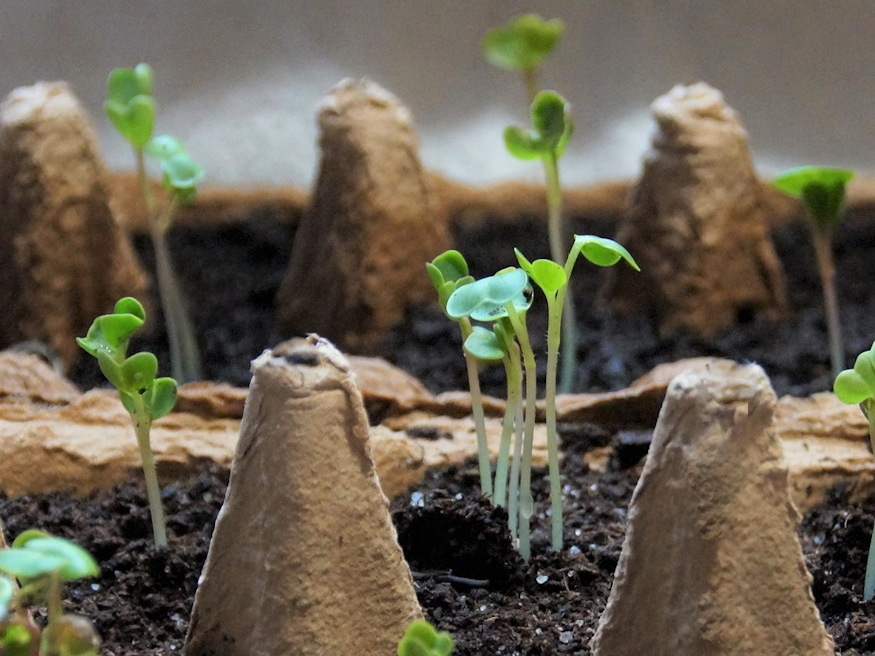
What These Containers Don’t Show You
Seedling care doesn’t end with germination. The real work starts afterward: root development, light, water balance, and space.
In that phase, toilet paper rolls and egg cartons often become bottlenecks rather than helpers. Not because they’re bad ideas – but because we expect more from them than they can realistically deliver.
When Are They Actually Useful?
Used with realistic expectations, these tools can be helpful. They work best as short‑term starting stations, especially for quick crops that don’t require long pre‑growing periods.
For anything that needs weeks of development and strong root systems, transferring seedlings early into proper containers is essential.
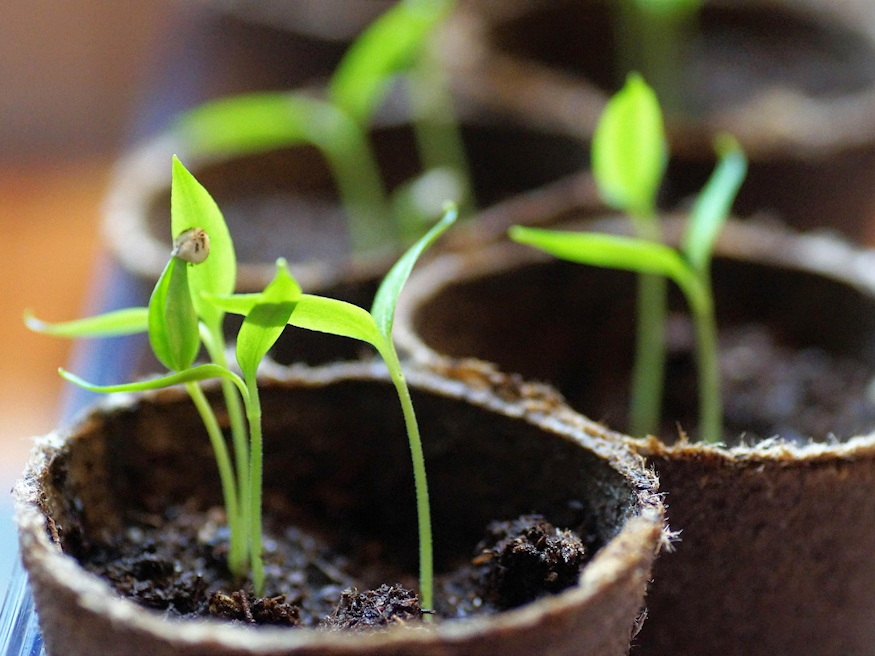
Do Paper Rolls Break Down Fast Enough After Transplanting?
This is one of the most common criticisms, and it’s partly true – but usually misunderstood.
Toilet paper rolls do not disappear overnight in the soil. Their breakdown depends on moisture, soil life, and temperature. In cool or dry spring conditions, they can remain intact for weeks.
That alone isn’t a problem. The issue arises when young roots can’t easily push through the paper, turning the roll into a physical barrier rather than a helper. In those cases, seedlings may survive but stall, sitting in place instead of growing.
If you choose to transplant seedlings with the roll still attached, it helps to cut or slit the bottom and sides before planting. This gives roots a clear path outward and ensures the paper acts as a temporary aid, not an obstacle.
So the problem isn’t that paper breaks down “too slowly,” but that its breakdown is condition‑dependent – and spring conditions don’t always cooperate.
So… Good or Bad?
The answer isn’t black and white. Toilet paper rolls and egg cartons aren’t miracle solutions, but they’re not nonsense either. Think of them like training wheels: helpful at the beginning, limiting if you rely on them for too long.
The Real Lesson
Seedlings don’t follow trends – they respond to conditions. Soil, space, water, and time matter far more than creative containers.
Start anywhere you like. Just remember to move on in time – together with your seedlings.