

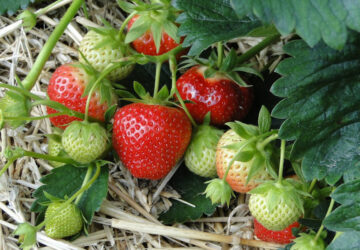

April 8 does not look dramatic at first glance, yet it holds an extraordinary blend of meanings. It is a
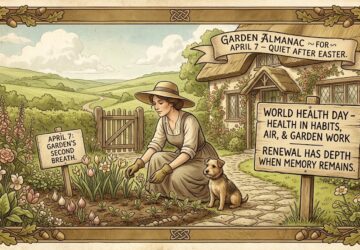
April 7 often arrives without drama, yet it carries an unusual weight. In 2026, it falls on the Tuesday after
Early April is full of motion, but not every spring day asks for boldness. Some days are better suited to
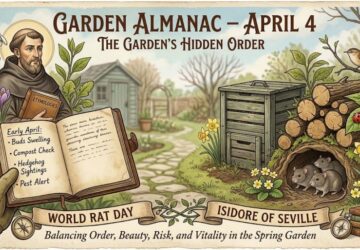
By early April, the garden has become visibly active, but it is still far from fully legible. Buds are swelling,
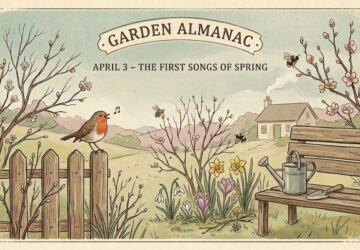
In early April, the garden often becomes audible before it becomes abundant. Leaves may still be sparse, borders still unfinished,
April 2 is one of those dates that feels unusually well suited to the garden, even before one looks closely
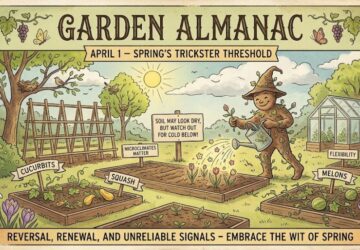
April 1 carries a strange kind of seasonal energy. In many cultures it is linked with jokes, reversals, trickery, and
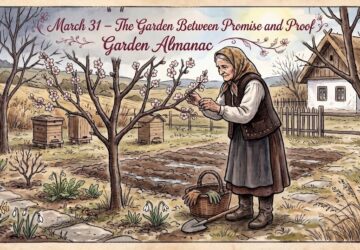
March 31 often feels like a day balanced on an edge. Spring is visible now, perhaps even persuasive, yet it
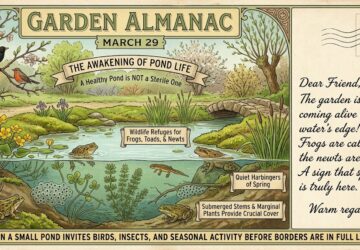
March 29 lends itself beautifully to an international spring theme that does not depend on a single local folk custom:
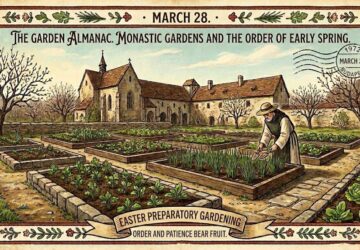
March 28 opens surprisingly well onto an international garden theme through Saint Stephen Harding, who died on this date in