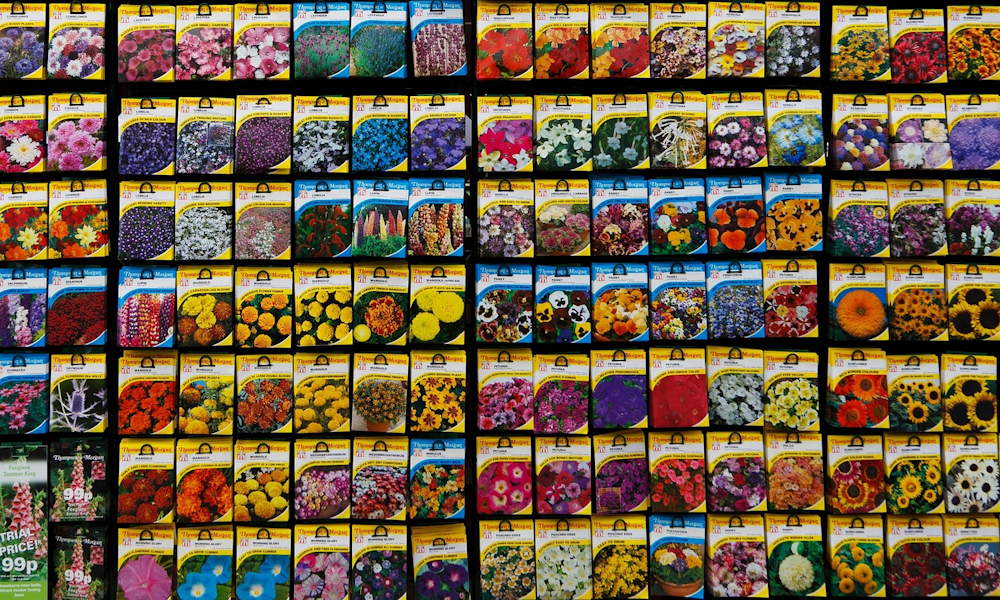

The days between the holidays have a particular effect on gardeners. Outside, the garden is quiet. Inside, drawers are opened and small paper packets, boxes, and labeled jars resurface—things we know we’ll deal with again, sooner or later. Seed packets don’t demand action at this time of year, but they do invite reflection.
This is not the season for buying more seeds. It’s the season for a calm review: seeing what remains from previous years, what still holds potential, and what is better let go of now than become a disappointment in spring.
Why Do Seeds Come Out in Winter?
When there’s no outdoor work to do, attention naturally turns inward. Looking through seeds in winter isn’t a task—it’s a form of thinking. In spring, decisions have to be made quickly. Now, there’s still room for questions.
A winter review helps clarify what we sowed last year, what never made it into the soil, and which packets keep resurfacing in the drawer year after year.
Expiration Dates Are Signals, Not Verdicts
Most seed packets come with a date that can feel like a final judgment. In reality, it’s more of a guideline than a hard limit.
Seed viability varies widely by species. Some seeds lose vigor after a year or two, while others remain viable much longer if stored properly. In winter, the real question isn’t whether a seed is “good” or “bad,” but whether it’s worth counting on for the coming season.
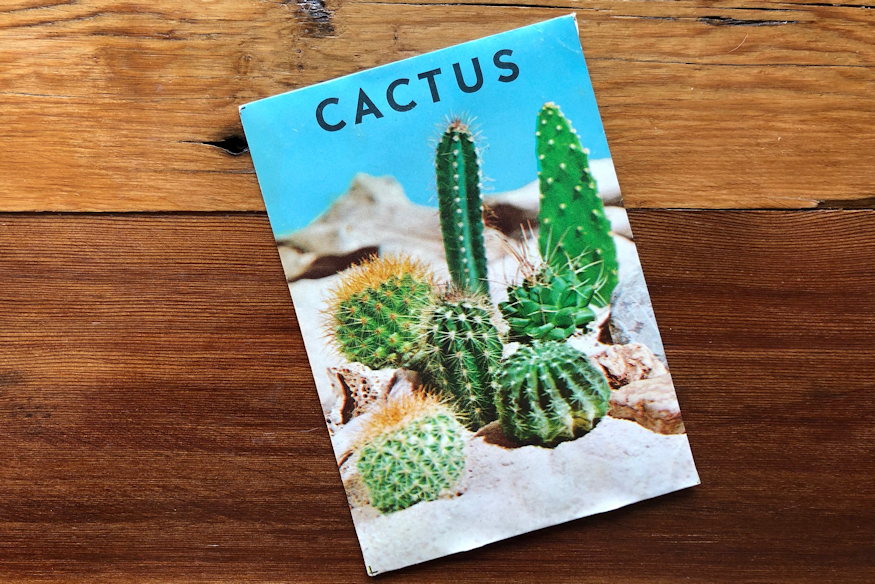
Small Issues That Are Easier to Spot Now
Winter makes small problems more visible—things that would go unnoticed in the rush of spring. An open packet, a faded label, seeds returned to the wrong place.
This is also when it becomes obvious if there’s an excess of seeds from one plant and barely a trace left of another. These aren’t mistakes so much as quiet records of how the last season unfolded.
Storage: Past Decisions Showing Up in the Present
The condition of seeds often has less to do with their age than with how they were stored. Excess warmth, humidity, or direct light can all reduce viability.
The days between the holidays are a good time to simply notice where seeds are kept. No need to reorganize everything—just to see whether they’re actually in a suitable place.
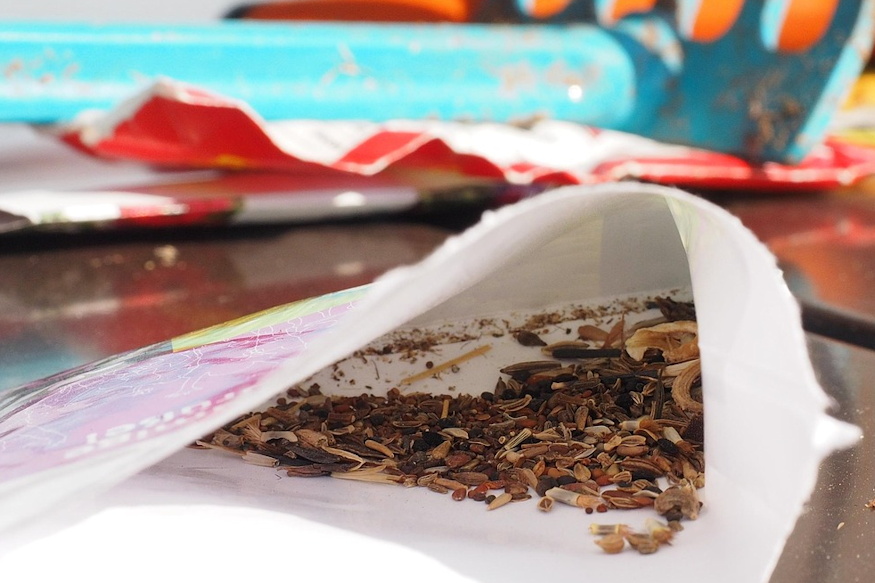
What Leftover Seeds Say About Us
A single drawer of seeds can reveal more than we expect. It shows which plants we return to again and again, and which exist mostly as ideas rather than as beds that were ever planted.
A winter check isn’t about accounting—it’s about recognition. About understanding what fits into a garden, a year, and a particular phase of life.
When a Seed Is Still Just Possibility
At this time of year, a seed isn’t yet a plant, a harvest, or a responsibility. It’s simply potential. And between the holidays, that’s more than enough.
If we take a moment now to look over what we’ve saved, spring brings fewer doubts—and more quiet satisfaction when the first shoots appear exactly where we already sensed they belonged.