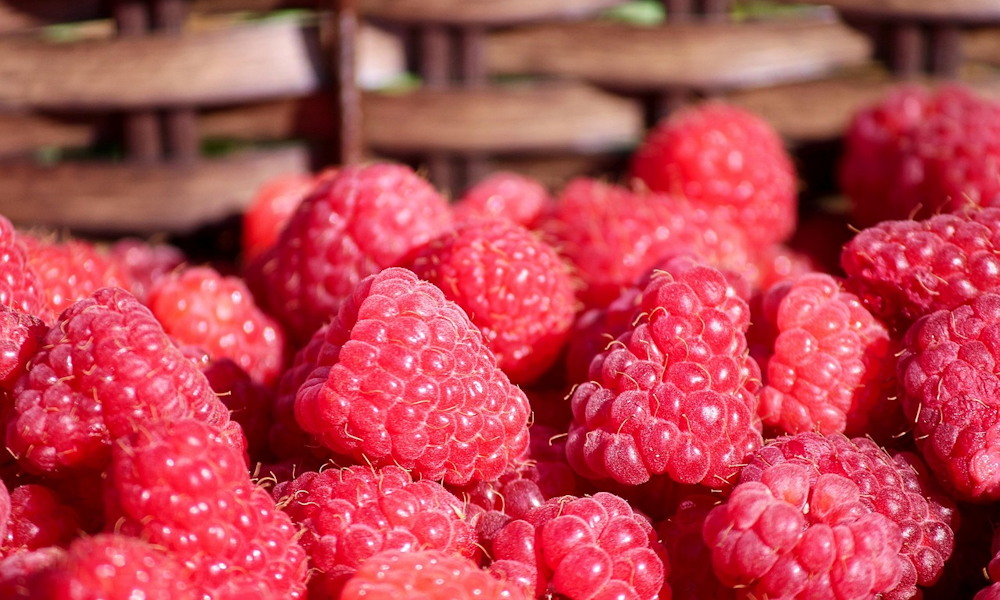

Raspberries are often associated with abundance and nostalgia. They grow quickly, fruit early, and reward care generously. Many gardeners remember picking them as children and assume they are easy, almost carefree plants. The reality is more nuanced.
Raspberries are not difficult to grow, but they are demanding in very specific ways. When those needs are understood and respected, they become one of the most productive fruits in the garden. When they are underestimated, disappointment follows quickly.
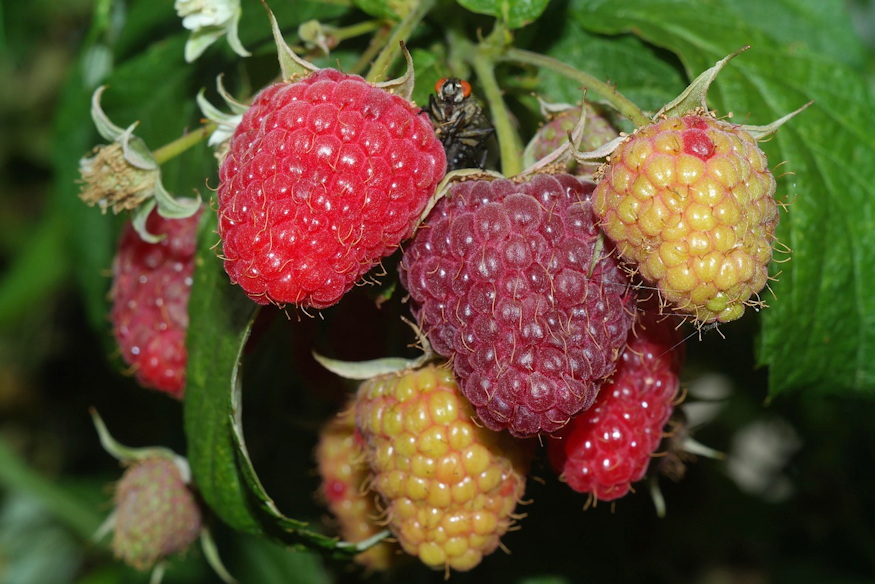
What Raspberries Are Like
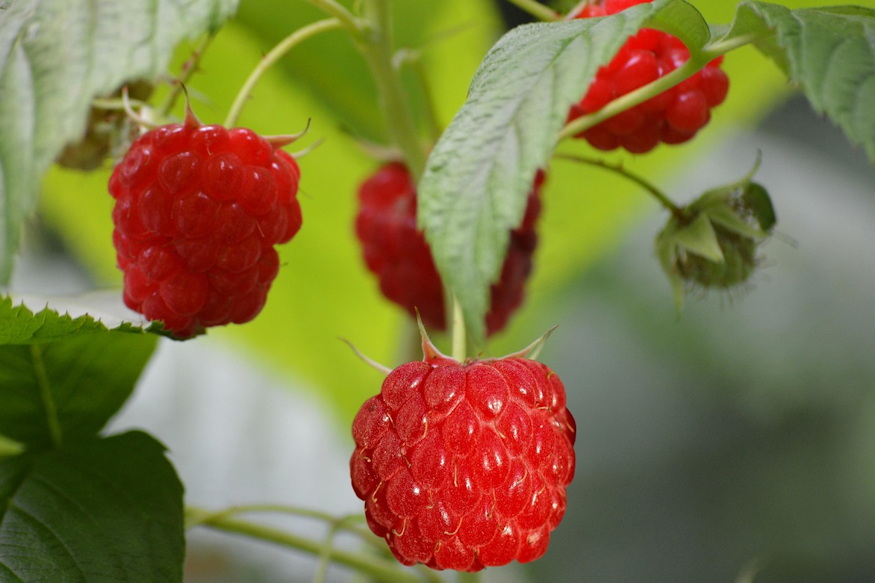
Raspberries (Rubus idaeus) are perennial plants with a long-lived root system and biennial canes. Each year, new shoots emerge from the base. Depending on the variety, these canes either fruit in their first year or wait until the following season.
This growth habit explains both the appeal and the challenge of raspberries. They offer fast results, but they also require structure, planning, and space. Raspberries do not behave well when treated as filler plants.
They dislike competition and respond poorly to crowding. When planted too close to other shrubs or trees, they weaken quickly. The first signs appear in reduced fruit size and uneven ripening, followed by weaker canes.
Planting – Space Is Non-Negotiable
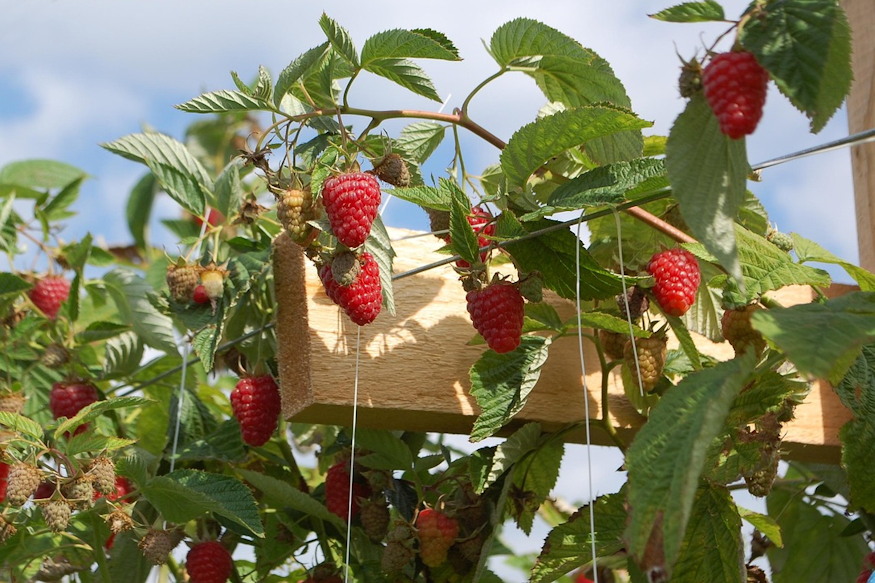
Raspberries thrive in sunny locations with evenly moist, well-drained soil. Because their roots remain relatively shallow, soil quality matters more than depth. Loose, organic-rich soil supports steady growth and reduces stress during fruiting.
Crowding is the most common cause of poor yields. Without airflow and light, productivity declines rapidly, and disease pressure increases. Successful raspberry growing begins with a clear decision: how much space the plants are allowed to claim.
Care – Consistency Matters More Than Intensity
Raspberries require more consistent watering than many other berry crops. During flowering and fruit development, uneven moisture directly affects berry size, texture, and flavor.
At the same time, excessive watering can be just as harmful as drought. Waterlogged soil weakens roots and makes plants vulnerable to disease. Good raspberry care is about balance rather than abundance.
Pruning – Matching the Method to the Variety
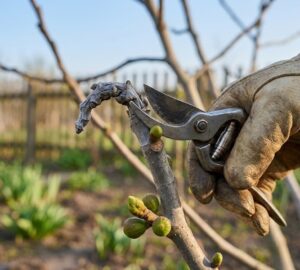
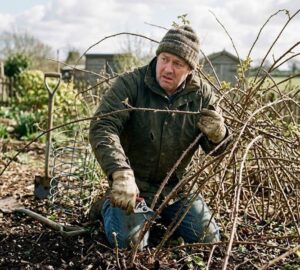
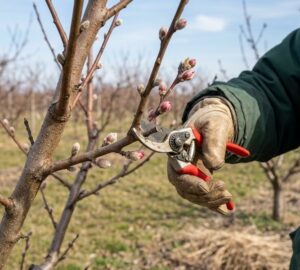
Pruning is where many raspberry plantings succeed or fail. Autumn-fruiting varieties simplify pruning because all canes can be cut back after harvest. Summer-fruiting types require more attention, as spent canes must be removed while new ones are preserved for the following season.
What all raspberries share is intolerance for neglect. Old, woody canes shade new growth, restrict airflow, and increase disease risk. Regular removal keeps the planting productive and manageable.
Pests and Diseases
Aphids, raspberry beetles, and various fungal diseases are the most common challenges. These problems rarely appear suddenly in healthy plantings. They usually follow stress caused by overcrowding, poor airflow, or inconsistent care.
Strong structure, good spacing, and overall plant vitality remain the most effective forms of protection. Preventive thinking matters more than reactive treatments.
When Raspberries Make Sense
Raspberries reward gardeners who are willing to plan ahead and dedicate space. With proper structure and regular attention, they are among the most generous fruits a garden can offer.
They are best suited to gardens where their growth can be guided rather than constrained. Without that space and intention, raspberries often disappoint—not because they are difficult plants, but because their needs are underestimated.