
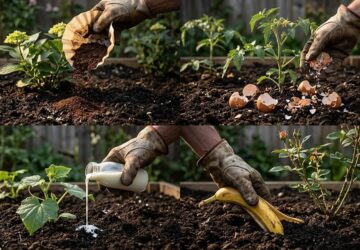

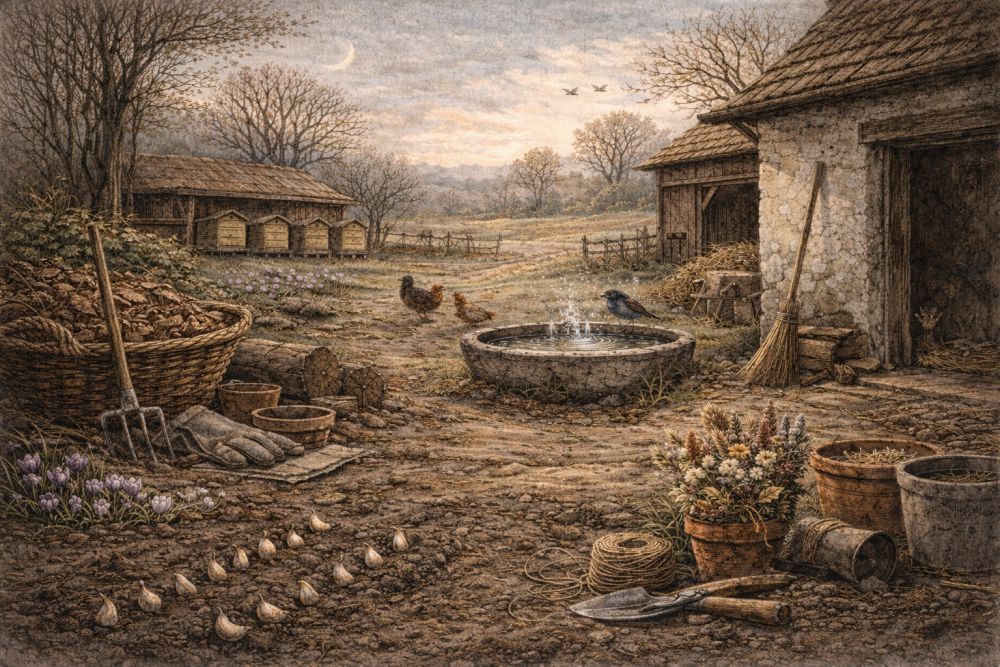

Early March is when small choices carry big consequences. The soil is still delicate, storage areas reveal every winter shortcut, and animals are looking for easy calories and warm shelter.
Folk calendars remembered March 4 as a “rat-driving” day. Strip away the ritual, and the message is timeless: rodents settle where food, water, cover, and entry points line up.
Folk memory in one image: the hazel wand and the midnight laps
Old traditions describe a householder circling the building at night, tapping the walls with a young hazel switch—sometimes said to work best at the new moon. Whether you read that as superstition or psychology, it’s a great metaphor for what still works: walk the perimeter, notice the weak points, and fix what invites trouble.
Three practical laps around your place
1) Food – remove the buffet
- Keep feed, seed, and pet food in sealed containers.
- Sweep up spills the same day.
- Don’t store open bags on the floor—raise them and close them.
2) Entry points – seal the shortcuts
- Check door bottoms, vents, pipe gaps, and cracks along foundations.
- Look for gnaw marks and greasy “rub paths” along walls.
- Repair small gaps early—spring is when a tiny opening becomes a habit.
3) Shelter – tidy the hotels, not the whole ecosystem
- Reduce long-term hiding spots in barns and sheds (cluttered corners, old sacks, stacked boards).
- Outside, keep firewood and stacked materials a little off the wall.
- But don’t “sterilize” the entire garden—wildlife needs cover too. The trick is strategic tidiness.
Let nature help: predators as part of an integrated approach
On many farms, owls, kestrels, and other predators were quietly valued because they reduce pressure from rodents. If your setting allows (and it’s safe), perches, quiet corners, and suitable nesting spots can be one more layer in a low-chemical, integrated mindset.
St Casimir and the early-spring “reset”
March 4 is also St Casimir’s Day in parts of Europe, where it’s linked with springtime markets and household renewal. That fits the calendar mood perfectly: this is the moment to reset routines—storage, tools, and the way you “open” the season—before growth accelerates.
A botanical tradition from Vilnius: dried-flower “palms”
Around St Casimir traditions in Vilnius, people make verbos—hand-tied bundles of dried flowers, grasses, herbs, berries, and evergreen twigs. In a place without palms, it’s a way of holding spring in your hand: local plants turned into a seasonal symbol.
Bees and first flights: the garden starts breathing again
Folk notes often mention beekeepers letting bees out to gather strength when weather allows. The practical takeaway is simple: when you get the first sunny, calmer afternoon, pollinators start testing the season—so keep early work gentle and avoid turning the whole yard into a dust storm.
Garlic timing: let soil condition lead
Early March can be a good window for planting spring garlic if the soil crumbles rather than clings.
- Plant firm, healthy cloves point-up.
- Cover lightly (compost or fine mulch) to buffer wind and moisture swings.
- If it’s soggy, wait a few days—soil structure remembers every bad decision.
A weather note from the old calendars
Some traditions read the first week of March as a hint for the pace of the season: a cold, wet start meant slower fieldwork later. Modern version: if early March is rainy or snowy, don’t force the ground. Use the time to prep trays, labels, and storage—your future seedlings will thank you.
Today’s short list
- Tighten storage (seed, feed, pet food), clean up spills.
- Walk the perimeter: doors, vents, pipe gaps, foundation cracks.
- Tidy shelter hotspots in sheds/barns; keep stacks off walls.
- Plant garlic only if soil is workable.
- Keep spring cleanup measured—leave some habitat, but remove easy rodent comfort.