
By March 30, the garden has usually crossed an invisible threshold. Winter is no longer fully in charge, yet spring has not completely settled in either. The air may be softer, the daylight longer, and the soil more responsive underfoot, but the season still carries a certain caution. It is a moment of transition rather than arrival, and that is exactly what makes it so meaningful.
In many parts of the world, the end of March is less about spectacle than about quiet momentum. The garden is not finished, not filled out, not yet fully expressive. Instead, it is gathering force. Shrubs begin to show intention before abundance. Perennials nudge upward. Early weeds announce themselves with irritating efficiency. Seedlings in trays seem to change overnight, while beds outside still ask for patience. This in-between stage can feel modest on the surface, but it often determines the quality of the weeks to come.
There is something universal about this phase of the gardening year. Whether someone tends a large rural plot, a suburban backyard, a courtyard, a balcony full of containers, or a few herbs on a windowsill, late March often asks the same thing: slow down enough to notice what is actually happening. Not what the calendar promises, not what impatience demands, but what the plants, soil, moisture, and temperature are really saying.
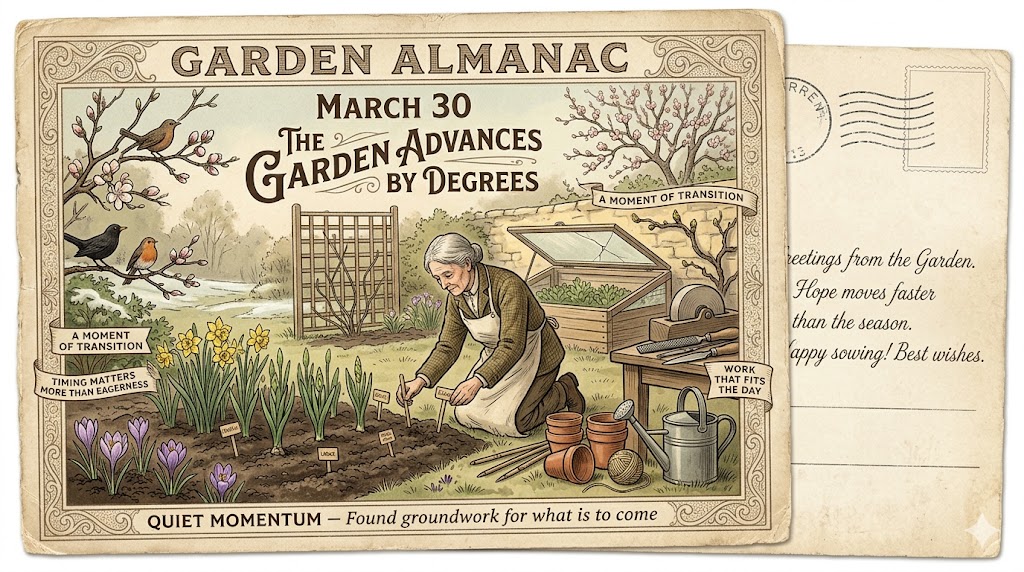
That is why March 30 can be understood as a day of increments. Gardens rarely transform in a single sweeping gesture. They move forward by degrees: a bed cleared, a path edged, a support repaired, a damaged stem removed, a patch of soil loosened, a packet of seeds finally opened. Even the most generous spring is usually built from small, nearly forgettable acts done at the right moment.
What This Day Teaches Gardeners
One of the quiet lessons of late March is that not every task should be done simply because it is technically spring. Timing matters more than eagerness. Soil that looks ready may still be too wet to work. A sunny afternoon may disguise the threat of a sharp night frost. Tender growth can be encouraged too soon. Seeds can be sown into ground that is still cold enough to stall them. Gardeners often learn this lesson repeatedly, because hope tends to move faster than the season itself.
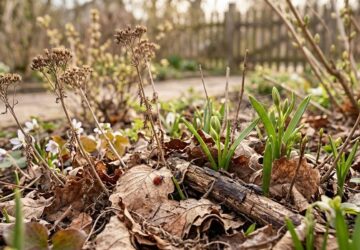
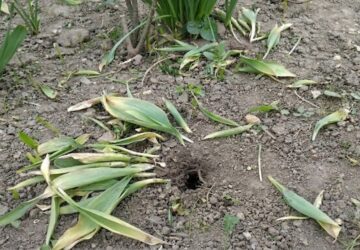
March 30 is therefore a good day to practice useful restraint. Walk through the garden and look before acting. Notice which corners warm first and which stay cool and slow. Check where water lingers after rain. Observe which plants have clearly resumed growth and which are still holding back. Look for winter damage that only becomes obvious once new growth begins to push around it. Small observations made now often prevent larger disappointments later.
It is also a day that reminds us how much gardening depends on maintenance that rarely earns admiration. Labels need rewriting. Pots need cleaning. Stakes need straightening. Ties need loosening or replacing. Netting, cloches, frames, and protective covers need to be checked before they become problems. Compost may need turning. Tools may need sharpening. None of this feels as romantic as blossom or harvest, but these are the acts that give structure to the season.
The Old Wisdom of the Turning Month
Traditional growers in many regions treated the last days of March with a mixture of optimism and suspicion. The month could offer warmth, birdsong, and a sudden rush of green, yet still return a cold wind or an unwelcome frost. Folk wisdom often warned against trusting spring too quickly. That advice remains as practical now as it ever was.
There is an old gardening rhythm to this period: inspect, prepare, wait, then move. Not all at once, and not everywhere at the same pace. A sheltered wall may behave like April while an exposed bed still behaves like February. A raised bed may warm quickly while heavy ground remains stubborn. A pot on a sunny terrace may need water while open ground nearby is still holding winter moisture. Late March rewards people who can hold two truths at once: the season has begun, and the season is still fragile.
This is also the time when pests and diseases begin to re-enter the story. Slugs seem to appear almost by instinct. Aphids arrive before anyone feels emotionally prepared for them. Fungal issues begin in silence, long before they are dramatic enough to be obvious. The best response now is not panic but awareness. Early noticing is one of the most underrated skills in gardening.
Work That Fits the Day
What belongs to March 30 is not a rigid list but a kind of sensible readiness.
- Clear and refine growing spaces without stripping them of all life.
- Prepare soil gently where conditions allow, but do not force wet ground.
- Check fruit trees, shrubs, and climbers for breakage, dieback, or weak growth.
- Repair supports, boundaries, labels, and protective structures.
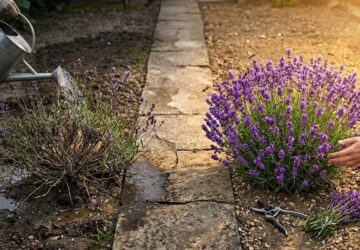
- Watch containers closely, because they often wake earlier than borders do.
- Start or continue cool-season sowings where climate and conditions genuinely support them.
- Keep an eye on the weather, especially the night temperatures that so often rewrite spring plans.
Even indoor gardeners and balcony growers can read something useful in this day. March 30 is an excellent time to rotate pots toward improving light, refresh the top layer of compost, trim winter-tired growth, begin feeding cautiously, or plan the movement of plants outdoors later in the season. The principle is the same everywhere: do not rush the display; support the transition.
The Emotional Side of the Season
Late March has its own particular mood. It can make gardeners restless, hopeful, overconfident, and tender all at once. There is a temptation to treat every mild day as a green light, to believe the hard part is over, to imagine that what is coming will now arrive quickly and cleanly. Experience usually answers with a smile and a raised eyebrow.
And yet this restlessness is not a flaw. It is part of the season’s energy. The trick is not to suppress it, but to direct it well. Instead of demanding instant fullness from the garden, we can use that energy to prepare, observe, mend, and set things in place. In that sense, March 30 is not a day of culmination but of alignment.
It is also a good day to remember that gardens do not respond to pressure the way schedules do. They respond to conditions, rhythms, and accumulated care. A person can force a timetable onto a notebook or a calendar, but not onto a seedling, a rose cane, or a patch of cold ground. The end of March is often when gardeners are invited back into that humbling truth.
Perhaps that is why this stage of the year feels so memorable. It is hopeful, but not secure. Active, but not abundant. Full of promise, yet still threaded with risk. It asks gardeners to work with the season as it is, rather than with the version they wish had already arrived.
What March 30 Can Mean Anywhere
One of the strengths of a date like March 30 in a garden almanac is that it does not depend on a single tradition, climate, or landscape. In cooler regions, it may be a day of waiting for thawed soil and watching buds carefully. In milder places, it may already feel like full early spring, with faster growth and more urgent maintenance. In urban settings, it may mean checking pots, rail planters, and sheltered corners that warm earlier than expected. In rural gardens, it may mean longer rounds, more repairs, and a wider eye on fruit, soil, and weather.
What remains consistent is the principle: this is a day for reading the season honestly. What is ready? What is vulnerable? What is merely tempting? What has quietly become urgent? Good gardening often begins in those questions.
March 30 can also serve as a useful pause between intention and action. Plans made in winter start meeting reality now. Some ideas still feel right. Others need adapting. Perhaps a bed is wetter than expected, a tree slower to leaf out, a sowing plan too ambitious, a container display more exposed than imagined. None of that is failure. It is simply the garden beginning to answer back.
Where April Begins
For all its modesty, the end of March has enormous influence over what follows. The first half of April often looks spontaneous from a distance, but gardeners know it is usually built on groundwork laid earlier and more quietly. Beds that were observed carefully become easier to manage. Supports repaired in time disappear into the season instead of collapsing in it. Early pest problems noticed now stay small. Soil respected now remains easier to plant later.
So March 30 is best understood not as a dramatic garden date, but as a foundational one. It belongs to people willing to notice, to prepare, and to trust that small timely actions matter. The beauty of spring will come soon enough. This day is about helping it arrive well.
In the Garden Almanac, March 30 marks the kind of progress that is easy to overlook because it is built from ordinary tasks and attentive choices. But those quiet decisions are often what separate a season that merely happens from one that truly flourishes.