
Mid-March in the garden does not always begin with flowers. More often, it begins with water. The soil is no longer fully winter-bound, yet not fully ready for spring; it loosens, darkens, swells, clings, and reveals its nature in patches. At this time of year, one of the gardener’s first real questions is not what to sow, but how water is moving through the ground.
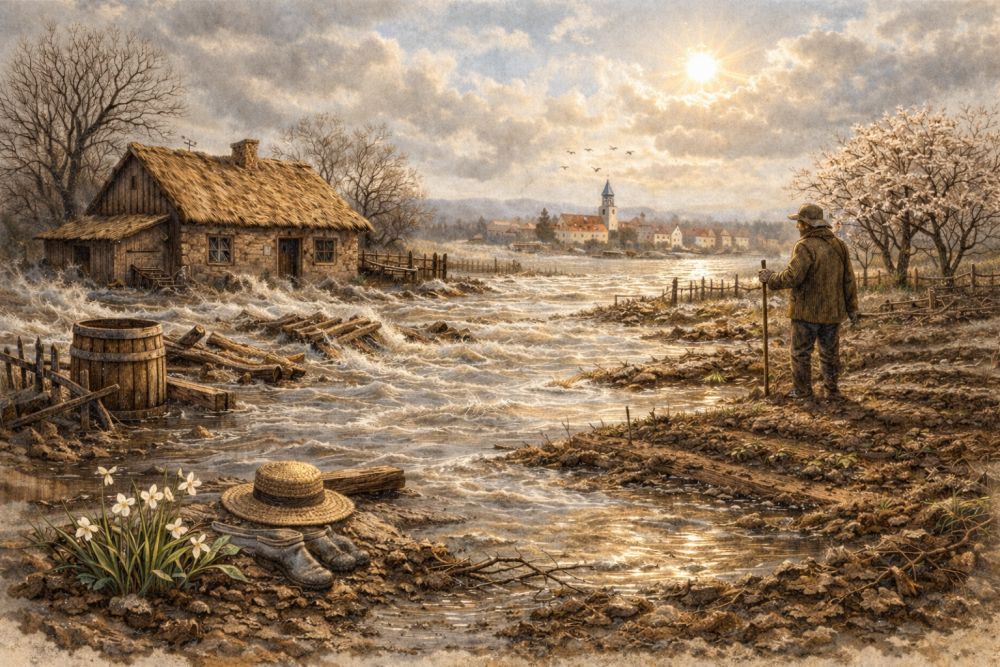
In Hungarian memory, March 13 carries the shadow of the great Pest flood of 1838, when the Danube inundated the city and the destruction continued for days. In a garden almanac, that memory feels larger than history alone. It reminds us that spring does not arrive only with blossom and birdsong. It also comes with force, overflow, soft ground, sudden thaw and the dangerous abundance of water.
Reading the soil instead of rushing the season
By the calendar, this is the season when sowing begins to tempt us. But soil does not obey dates. In mid-March, everything depends on how much moisture the ground still holds, whether the beds can breathe, whether the paths drain well, and whether the earth crumbles or compacts underfoot.
That is why this part of spring asks for attention rather than haste. Where does water linger? Where does it run off too quickly? Which corner stays colder, heavier, slower to wake? A great deal of gardening wisdom begins here, in noticing what should not yet be disturbed.
Water as warning, and water as teacher
Flood memory, even when tied to a city, has something to say to every cultivated patch of ground: water always remembers its path. In a garden, that truth appears on a smaller scale. The place that remains soggy in March may struggle again in summer. The bed that stays airless too long may delay germination, weaken roots, or turn early labour into harm rather than help.
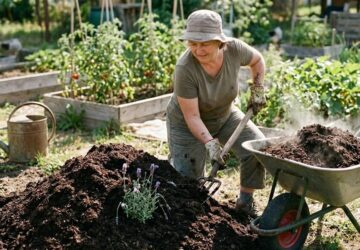
So March 13 becomes a useful moment not only for thinking about plants, but about structure. Where might compost be added once the soil dries? Which bed would benefit from being raised? Where is drainage poor? Which areas warm first, and which hold the cold? The first weeks of spring often reveal the real character of a garden more clearly than the lush months ever do.
A wider environmental lesson
Seen through an environmental lens, this is also a day about memory in the landscape. Rivers, low spots, floodplains and old wet ground rarely forget what they are, even when people redraw them with roads, fences and neat planting plans. A resilient garden is not built by pretending water has no will of its own. It is built by learning how to live with that will.
That lesson feels especially modern. One year may bring drought, another standing water; one week powder-dry soil, the next a root zone soaked through. Good gardening now asks for both retention and release: holding enough moisture for heat and dryness ahead, while also making sure the ground can breathe in wet spells.
What this day still says in the garden
March 13 is not merely a date between winter and spring. It is a reminder to look downward as much as forward. Before the flowers declare the season, water often tells the truth first.
And perhaps that is the quiet value of this day. It teaches patience without passivity. Watch the darker soil. Notice where the surface glints. See where the ground yields, and where it asks for time. Spring does not always announce itself with colour. Sometimes it arrives first as water, moving through the garden like a sentence not yet fully spoken.