


February 8 sits in that late‑winter corridor where the year is turning, but the garden still refuses to show it. Light is lengthening. Patience is thinning. And yet the most important work — in soil, in plants, and in people — is still happening largely out of sight.
Josephine Bakhita and the Meaning of Protection
In the Catholic calendar, February 8 is associated with Saint Josephine Bakhita, a woman from Sudan who survived enslavement and later became a Canossian Sister in Italy. Her feast day is also observed in many places as a day of prayer and awareness against human trafficking.
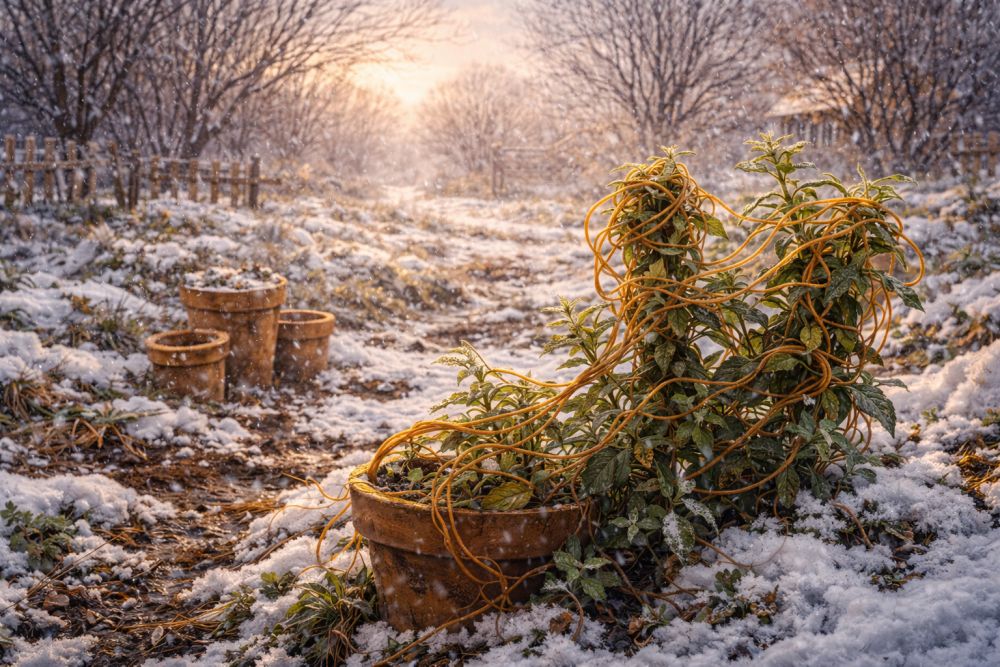
For a garden almanac, this is not a “nature fact,” but it is deeply relevant to a seasonal calendar built around stewardship. Late winter is a time when vulnerability is high: roots can be exposed, buds can be tricked by brief warmth, stored harvest can spoil quietly, and one bad cold night can undo weeks of careful waiting. The lesson is simple and sharp — protection matters most when nothing looks urgent.
Jerome Emiliani and the Quiet Labour of Care
February 8 also honours Saint Jerome Emiliani, remembered for organising care for orphans and those left without support. His life points to another late‑winter truth: good outcomes rarely come from one dramatic effort. They come from repeated, practical acts done faithfully, often without recognition.
That rhythm matches the garden right now. This season rewards steady attention: small checks, small adjustments, small safeguards. The work is real even when it isn’t visible.
The Afterfeast and the Returning Light
In the Eastern Orthodox calendar, February 8 falls within the Afterfeast of the Meeting of the Lord in the Temple — a continuation of the early‑February theme of light carried forward day by day. This is how seasonal change actually behaves: not as a single turning point, but as a sustained shift.
In nature, the parallel is photoperiod. Plants respond to day length long before warmth arrives. Buds remain sealed, but internal readiness begins to build. The garden is not “waking up” yet — it is recalibrating.
A Cultural Holiday That Still Belongs Here
February 8 is also Prešeren Day in Slovenia, a national holiday devoted to culture and the memory of the poet France Prešeren. At first glance, this seems far from gardening. But culture is one of the ways landscapes are noticed and preserved.
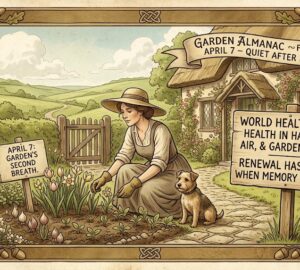
Gardens are not only food systems or decorative spaces. They are places where memory is kept: a fruit tree planted for someone, a path worn by habit, a plant saved because it belonged to a grandparent’s yard. Winter is when these meanings rise to the surface, because there is less to do — and more to see.
What February 8 Suggests in the Garden
February 8 is a day for noticing what is protected and what is exposed. The best late‑winter instincts are gentle ones: keep conditions stable, avoid sudden changes, and treat dormancy as a form of strength.
Nothing outside needs to be forced today. But everything that must last until spring deserves attention.
What February 8 Reminds Us
This date gathers a set of unusually aligned messages: protect the vulnerable, value quiet labour, and trust slow, sustained change.
In the garden, that becomes a simple seasonal skill — learning to care before the season gives you any visible reward.