

Mid-February carries a different quality of light. It is no longer the deep stillness of winter, yet not fully the release of spring. In many rural traditions across Central and Eastern Europe, this date marks an audible turning point in the season.
When the Skylark Sings
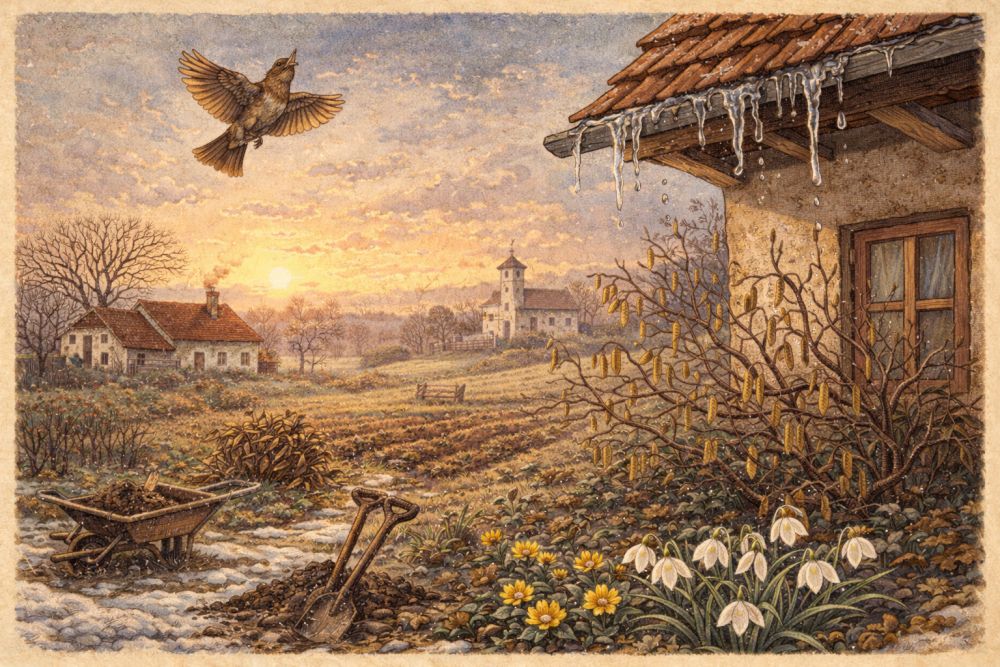
In Hungarian folk tradition, February 19 is linked to Saint Susanna’s Day and the return of the skylark. If the bird flies high and sings, spring is believed to be near. If it rises only low above rooftops, winter may linger.
Across Europe, the skylark has long symbolized open fields reopening after winter. Its upward spiral flight feels like a visual echo of the sun’s growing arc in the sky.
Dripping Eaves and Moving Water
Another traditional sign is the sound of water dripping from the eaves. A thaw on this day was thought to foretell a good harvest. Melting snow signals that the soil’s upper layers are beginning to loosen.
Water in motion — whether from melting roofs or softening ground — marks the transition from frozen stillness to biological activity. Gardeners today might read it as a reminder to check drainage, observe low spots, and prepare beds before heavy spring rains arrive.
Hermits, Fields, and Rural Devotion
February 19 is also associated with several Christian feast days, including Conrad of Piacenza, a 14th‑century hermit who withdrew from urban life to live close to the land. Medieval hermits and monastic communities often cultivated small gardens for sustenance, preserving horticultural knowledge through the centuries.
Saint Barbatus of Benevento, commemorated in some traditions on this date, was known for encouraging agricultural renewal after periods of hardship. Such feast days often coincided with seasonal transitions, reinforcing the link between faith, land stewardship, and community survival.
Preparing the Land
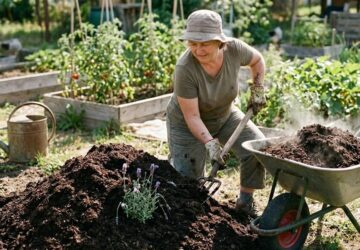
Historically, farmers inspected tools, spread manure when conditions allowed, and cautiously resumed pruning — especially in vineyards. In some regions, pruning before this day was avoided to protect swelling buds from late frost.
Hazel (Corylus avellana) catkins frequently release pollen around this time, and snowdrops (Galanthus nivalis) brighten garden edges. Seasonal momentum is visible, even if frost still visits at night.
Circulation and Rising Sap
In parts of Central Europe, this day was once considered favorable for bloodletting — reflecting broader pre-modern ideas about circulation and bodily balance. The same logic was applied metaphorically to plants: by late February, sap was believed to begin rising again.
February 19 reminds us that spring often announces itself first through sound and water: a bird above the field, a quiet drip from the roof, a subtle stirring beneath the soil.