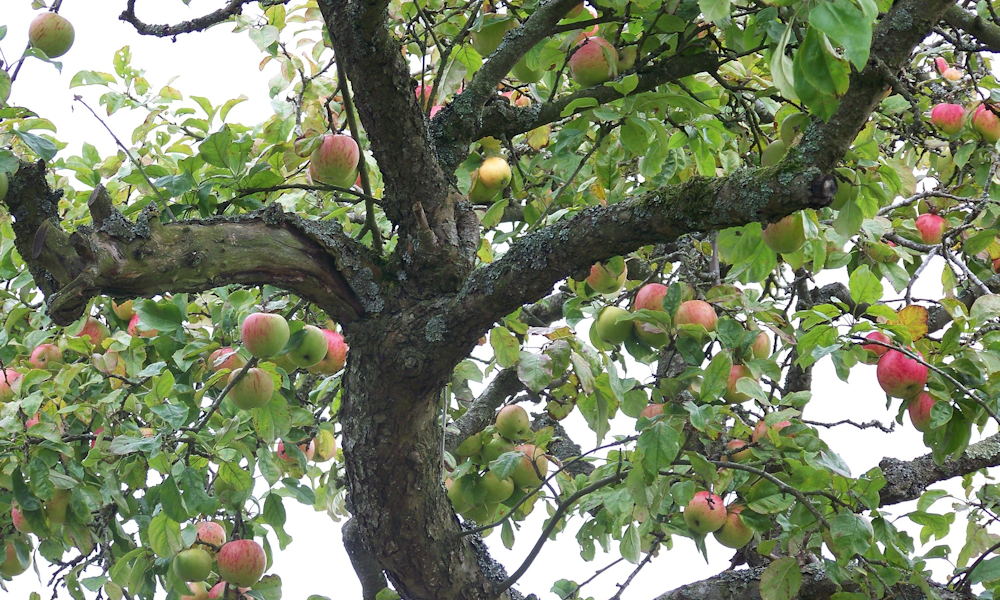

There is often a tree in the garden that has always been there. Perhaps it was planted by grandparents, perhaps it simply appeared decades ago. It may not be beautiful or well-shaped, but it carries a sense of continuity. Then one year it produces less fruit, looks weaker, shows signs of decay – and the question inevitably arises: can this tree still be saved, or is it better to let it go?
In the garden, this is never just a technical decision. It is often emotional as well. The good news is that there are clear, rational markers that help determine whether an old tree is still a partner – or has become mainly a memory.
What Does “Old” Really Mean for a Fruit Tree?
For fruit trees, age is not simply a number. A tree can be 25 years old and already in poor condition, while another at 60 may still bear fruit reliably.
Ageing usually shows itself through signs such as:
- the canopy becoming sparse, with fruiting wood moving outward,
- slower wound healing,
- increasing trunk decay or cankered areas,
- accumulated stress from weather, pests, and disease.
Crucially, the meaning of “old” depends on the species.
When Is a Fruit Tree Considered Old?
The ages below are not strict limits, but practical guidelines for home gardens.
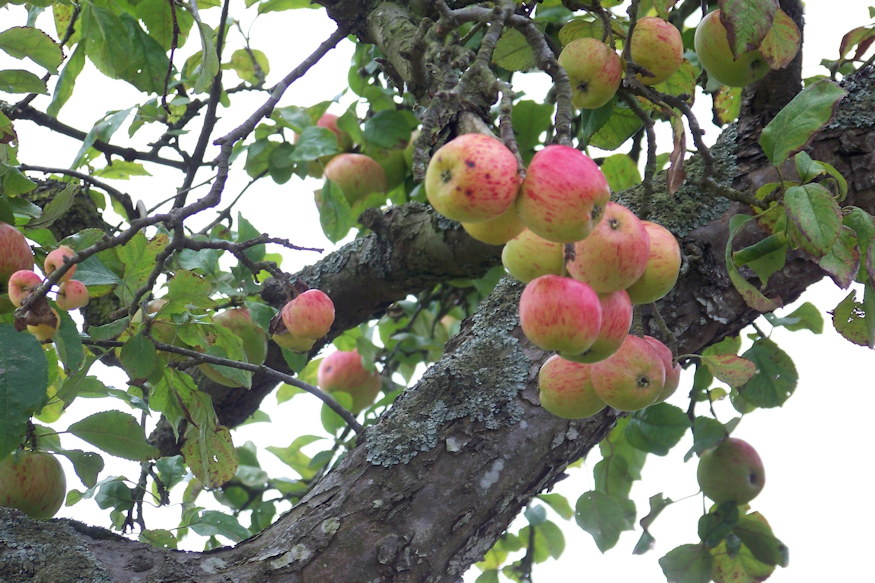
Apple and pear (Malus domestica, Pyrus communis) are long-lived trees. Under good conditions they can remain productive at 40–60 years of age, and many specimens can still be renewed at 70–80 years. With these trees, age is more about condition than years.
Plum (Prunus domestica) has a medium lifespan. Signs of ageing typically appear between 25 and 40 years, though careful management can extend this period.
Sour cherry and sweet cherry (Prunus cerasus, Prunus avium) are shorter-lived. Many trees begin to decline after 20–30 years, especially if planted in poor locations or subjected to heavy pruning.
Apricot and peach (Prunus armeniaca, Prunus persica) are the most sensitive. With these species, the question of renewal or replacement often arises as early as 15–25 years.
This does not make them inferior trees — they simply live at a different pace.
The key question is not how old the tree is, but how much vitality remains.
The Most Important Question: Is the Tree Safe?
Before thinking about yield, there is a more practical concern: safety.
Large cavities in the trunk, severe leaning, cracking scaffold branches, or advanced structural decay mean the tree is no longer just a gardening project — it is a potential hazard.
In such cases, letting go — or consulting a professional — is often the wisest choice. Sentiment does not hold branches during a storm.
When Saving an Old Tree Makes Sense
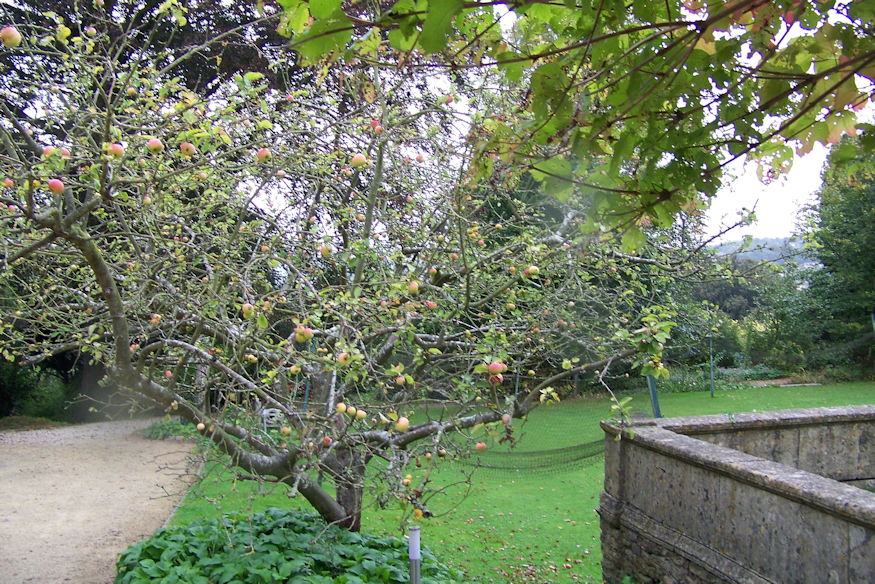
Old fruit trees can be remarkably resilient. If the trunk and main branches are structurally sound, renewal is often worthwhile.
Saving the tree may be justified if:
- the tree is stable and not severely decayed,
- healthy shoots are still present,
- fruiting continues, even if irregular or reduced,
- the variety is valuable or locally significant,
- there is patience for a renewal process that takes 2–3 years.
Renewal is not about a single drastic cut, but gradual restoration.
When Letting Go Is the Better Option
The hardest decisions arise when a tree is still alive but no longer viable.
Letting go is often the better choice if:
- trunk or main branches are extensively decayed,
- serious diseases recur year after year,
- the tree has not fruited for several seasons and shows weak growth,
- the risks of renewal outweigh the likely benefits,
- the tree creates shade, pressure, or danger in the garden.
Renewing an old tree is not always heroic. Sometimes it is simply postponement.
The Trap of Shock Pruning
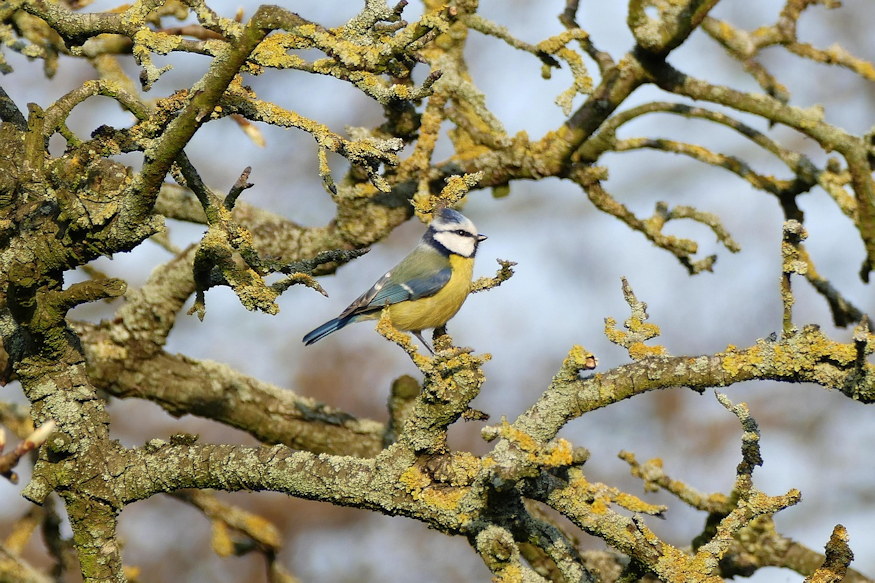
A common mistake is trying to correct decades of neglect in one season. Severe cutting, radical thinning, and the hope of creating a “new tree” overnight.
Old trees often cannot tolerate this. They may respond with excessive water shoots, canopy collapse, or gradual decline.
Successful renewal happens step by step, observing how the tree reacts each year.
A Realistic Renewal Timeline for Home Gardens
Renewing an old tree typically takes 2–3 years.
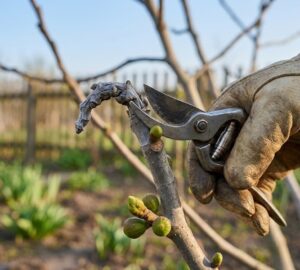
- The first year focuses on removing dead or diseased wood and opening the canopy.
- The second year brings fruiting wood closer to the trunk and reduces structural load.
- The third year allows for fine adjustments and stabilisation.
The guiding principle is not speed, but the tree’s capacity.
A Hidden Tool for Preservation: Grafting
There is a lesser-known middle path: preserving the variety through grafting, even if the old tree itself is removed.
If the tree carries a valuable or historic variety, scion wood can be taken and grafted onto a young rootstock.
This keeps the flavour and history alive — in a healthier body.
The Emotional Side That Needs No Apology
Letting go of an old fruit tree can feel like closing a chapter. That hesitation is entirely natural.
Gardens are not only about harvests. They are also about stories.
The real decision is not whether you are a “good gardener,” but what you want from the garden. Fruit, memory, time, safety — all matter.
One Final Question
If tomorrow you were offered a young, healthy tree with the same fruit quality, ready to plant — would you still hold on to this old one?
If the answer is yes, it is worth saving — carefully and patiently.
If the answer is no, it may be time to let go. And that is not failure, but horticultural wisdom.