
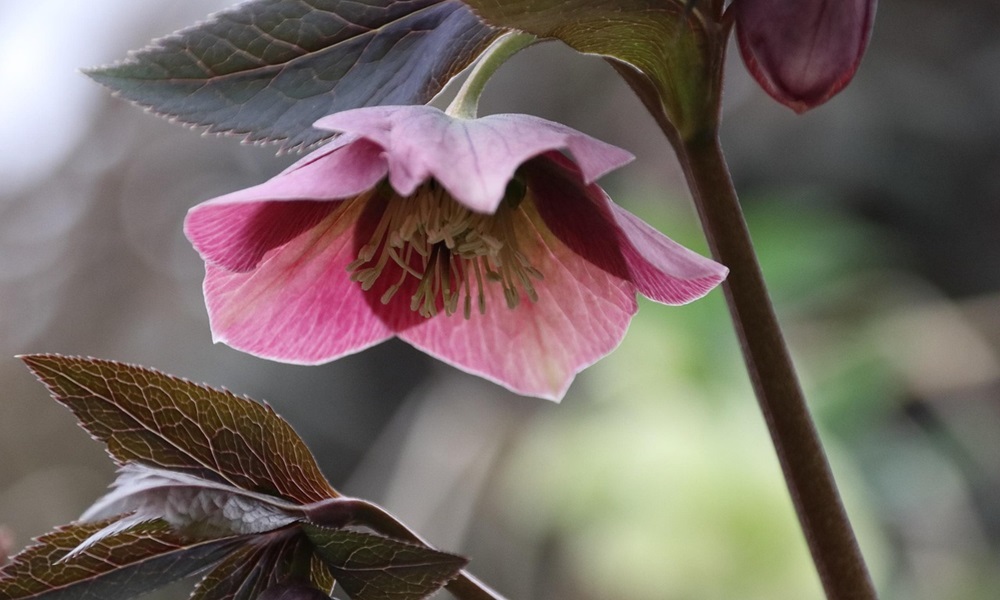

In late February and early March, when the garden itself barely seems awake, hellebores suddenly appear in garden centers in full bloom. Not as buds, not as a promise, but as fully open flowers with confident presence. There is a reason you see them now: Helleborus is at its peak at this time of year.
The Elegant Survivor of Winter
Hellebores bloom at the edge of winter and early spring. Their thick, leathery leaves and nodding flowers – often in soft pastel shades – tolerate cold remarkably well. Many species and hybrids remain ornamental even during light frosts. While most plants are still waiting for warmer days, hellebores are already active, photosynthesizing and flowering.
Where to Plant for Long-Term Success
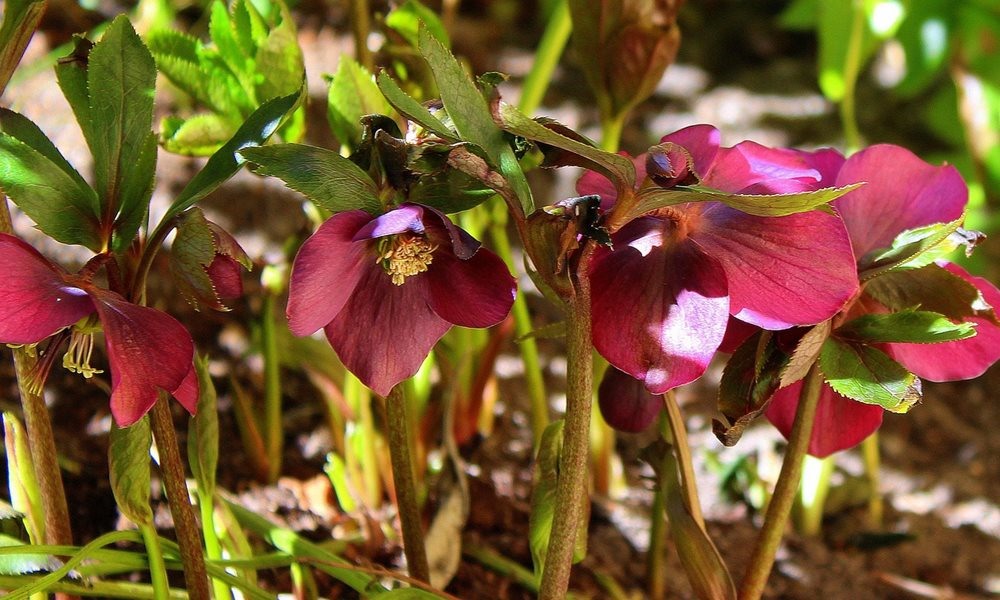
Hellebores prefer semi-shaded locations with moist but well-draining soil. They thrive under deciduous trees or larger shrubs, where they receive light in early spring but are protected from intense summer sun. They do not perform well in dry, exposed positions, nor do they tolerate standing water.
When planting, improve the soil with compost and choose the location carefully. Hellebores dislike disturbance and resent being moved once established.
What to Look for When Buying
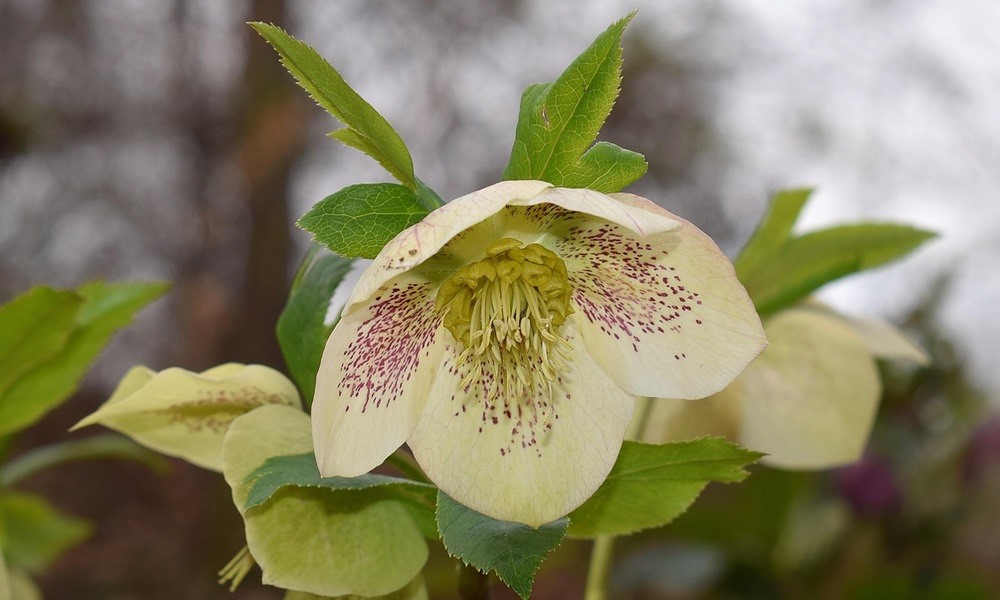
You see the best specimens in garden centers now because they are in bloom. That is an advantage: you can select the exact flower color and form you prefer. Choose healthy plants with firm foliage and multiple buds. Avoid those with yellowing or spotted leaves.
Keep in mind that hellebores are best planted in their final position from the start. Transplanting later can reduce flowering for a year or two.
Why Do They Dislike Transplanting?
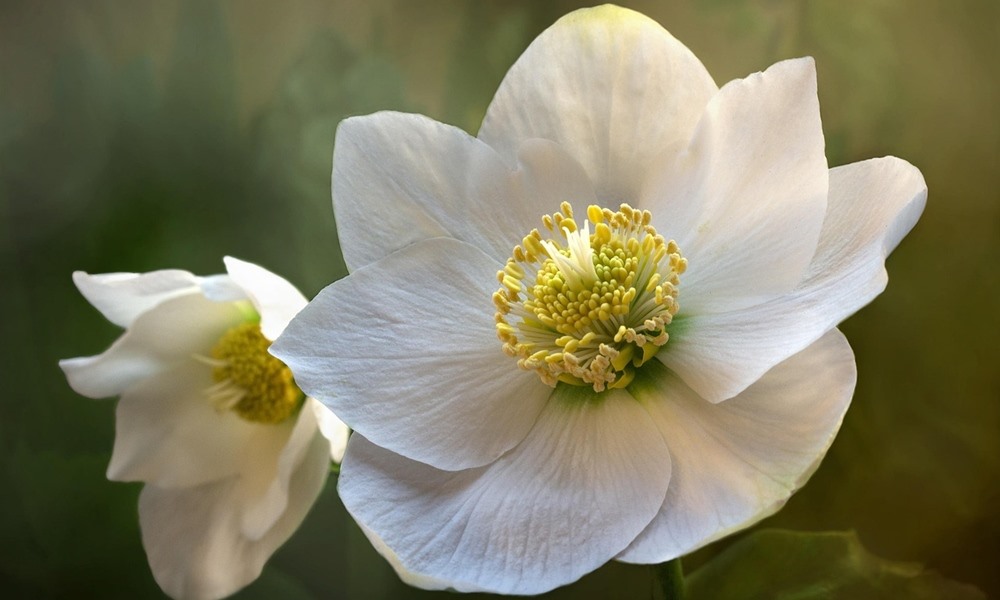
Hellebores develop deep, anchoring root systems that establish slowly but securely. Disturbing these roots requires time for recovery. That is why it is worth planning their placement carefully and not treating them as temporary fillers.
Hellebores are not seasonal fashion plants but long-term garden investments. You see them now because this is when they demonstrate their full potential. Planted well, they will become one of the most reliable highlights at the end of every winter.