
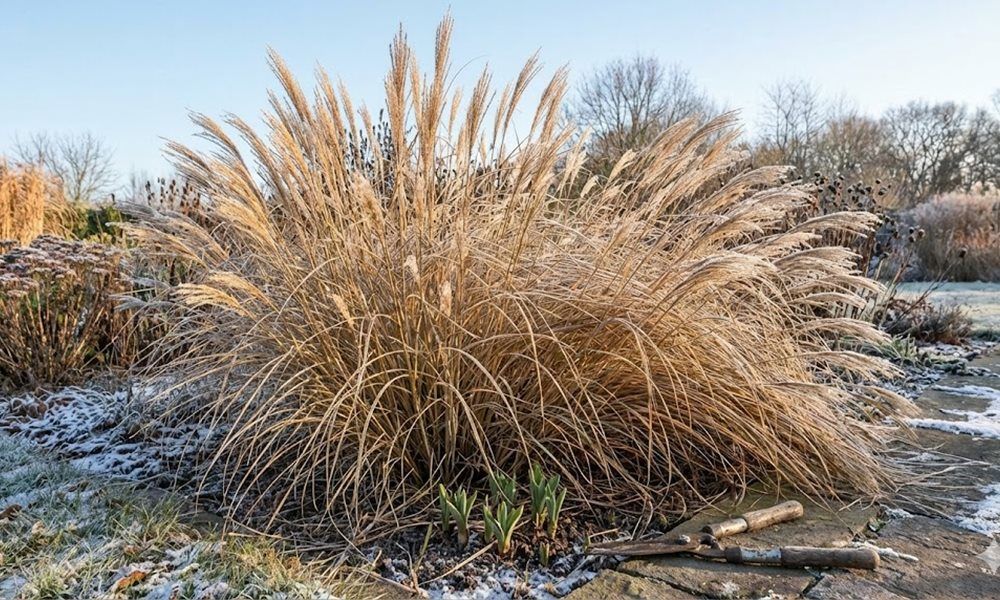

Ornamental grasses provide structure and winter interest long after other perennials have retreated. Their dry stems and seed heads catch frost and light, offering both visual appeal and ecological value. Yet as late winter progresses, gardeners must decide when to remove last season’s growth.
Why Not Cut in Autumn?
Standing foliage insulates the crown, reducing freeze-thaw stress. It also shelters overwintering insects and contributes to biodiversity. Delayed cutting aligns with ecological gardening principles.
Identifying the Right Moment
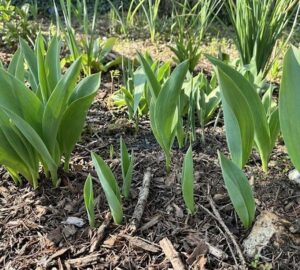
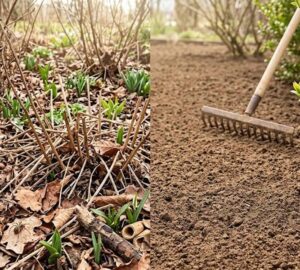
The optimal time arrives when new green shoots begin emerging at the base but before rapid elongation occurs. This window minimizes frost exposure while preventing damage to fresh growth.
Proper Cutting Technique
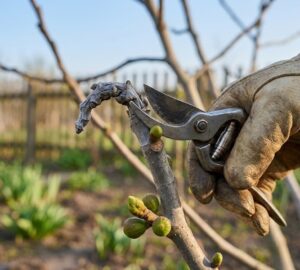
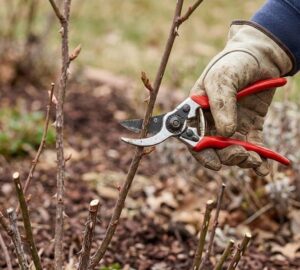
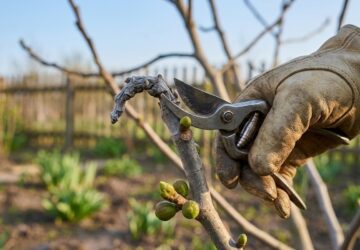
Leave approximately 10–15 cm of stubble to protect the crown. Use sharp tools to create clean cuts. Tying tall clumps before cutting reduces debris scattering. Avoid cutting to soil level, which may injure growth points.
Species Considerations
Deciduous grasses such as Miscanthus and Pennisetum benefit most from spring cutting. Evergreen species require only selective removal of damaged leaves.
Consequences of Delayed Cutting
If left uncut, new growth may tangle with old stems, reducing aesthetic quality and light penetration. While not fatal, it compromises overall presentation.
Ecological Awareness
Choosing a mild day for cutting allows overwintering insects a greater chance to relocate.
Spring cutting of ornamental grasses represents renewal balanced with responsibility. Proper timing supports both plant health and garden biodiversity.