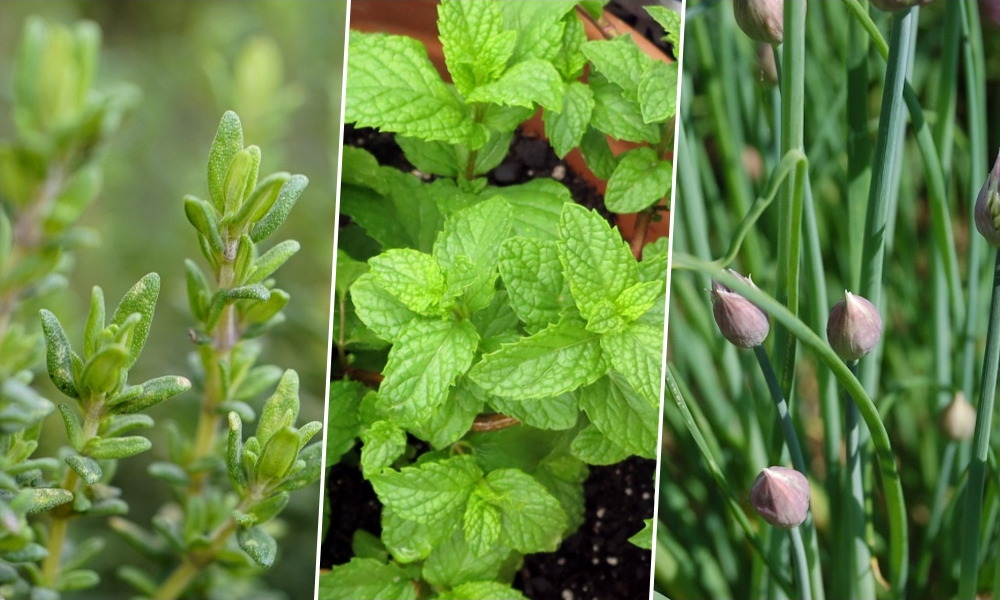

Many early gardening frustrations begin indoors. A basil plant that collapses after a few weeks. A rosemary that dries out overnight. It is easy to conclude that herbs are delicate—or simply not meant for beginners.
The reality is more nuanced. Some herbs are demanding, but a few classics are remarkably forgiving. They do not promise miracles; they offer feedback. And for beginners, that makes all the difference.
1. Chives – The First Success
Chives remain popular in gardens because they offer balance. With light and occasional attention, they return again and again, often earlier in the season than most herbs.
For beginners, chives are reassuring. Healthy growth is obvious, and problems rarely become catastrophic. Regular cutting encourages fresh shoots, reinforcing one of the first core lessons of herb gardening.
Another advantage is their winter hardiness. In many climates, chives survive cold seasons and reappear quickly in spring, helping beginners understand perennial growth cycles rather than starting from scratch every year.
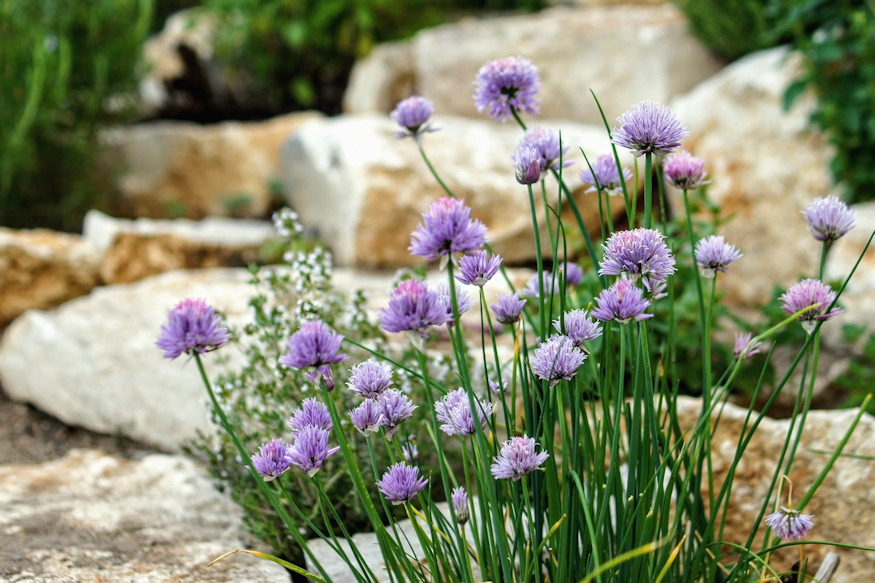
2. Thyme – The Quiet Survivor
Thyme is not showy. It grows slowly, dislikes excess attention, and thrives when left alone. This restraint makes it ideal for beginners.
Thyme teaches that less can be more. Overwatering and constant interference often do more harm than good. With light and air, it remains steady for years.
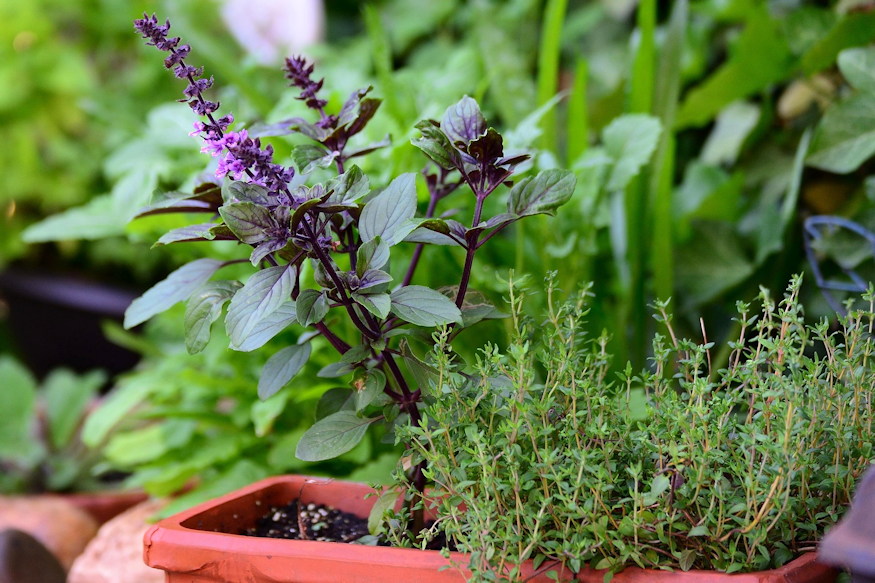
3. Mint – A Plant with Opinions
Mint is impossible to ignore. When conditions suit it, it spreads. When they do not, it still tries.
For beginners, mint delivers both confidence and boundaries. It introduces the idea that plants have strategies of their own—and that gardeners must respond with decisions.
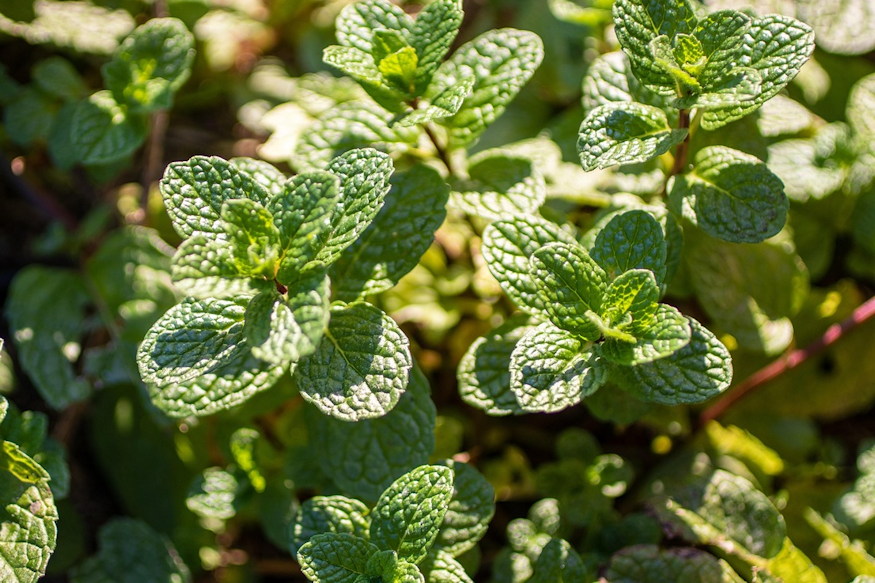
Why These Herbs Work for Beginners
What these plants share is not low maintenance, but clarity. They communicate. They tolerate mistakes and respond visibly to care.
They help beginners grasp the essentials: light, water, cutting back, patience—and they earn their place in the kitchen.
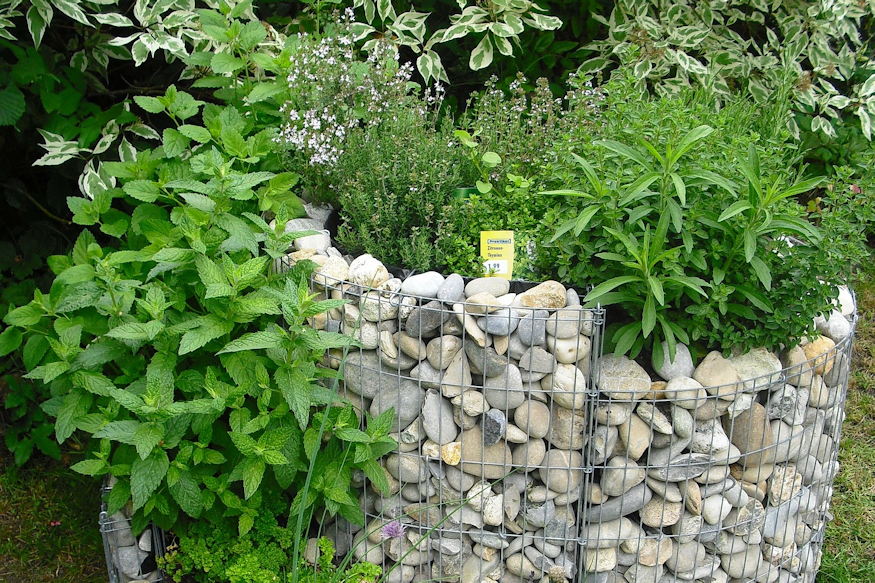
Why Starting Here Actually Works
Growing herbs is not about instant results, but about everyday connection. Starting with forgiving plants often keeps curiosity alive.
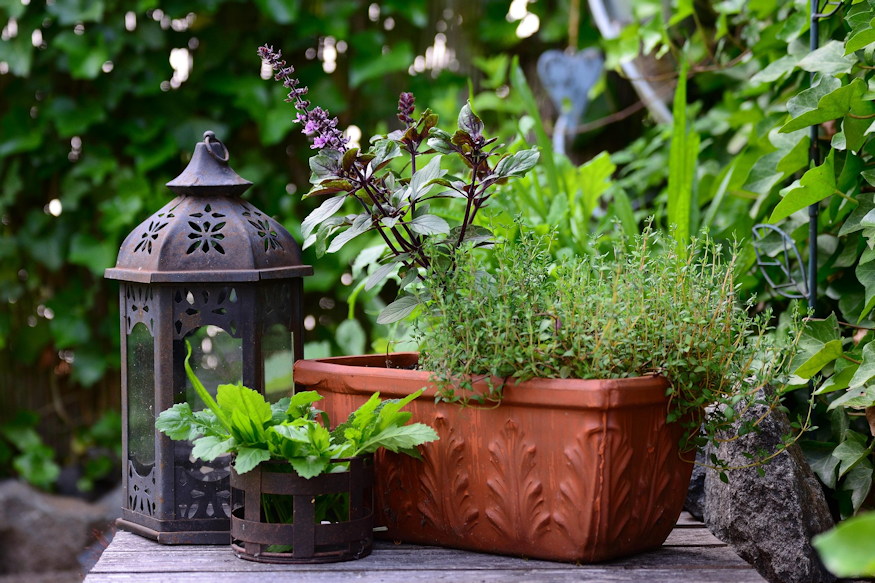
And that curiosity is usually what carries gardeners through the inevitable setbacks.